


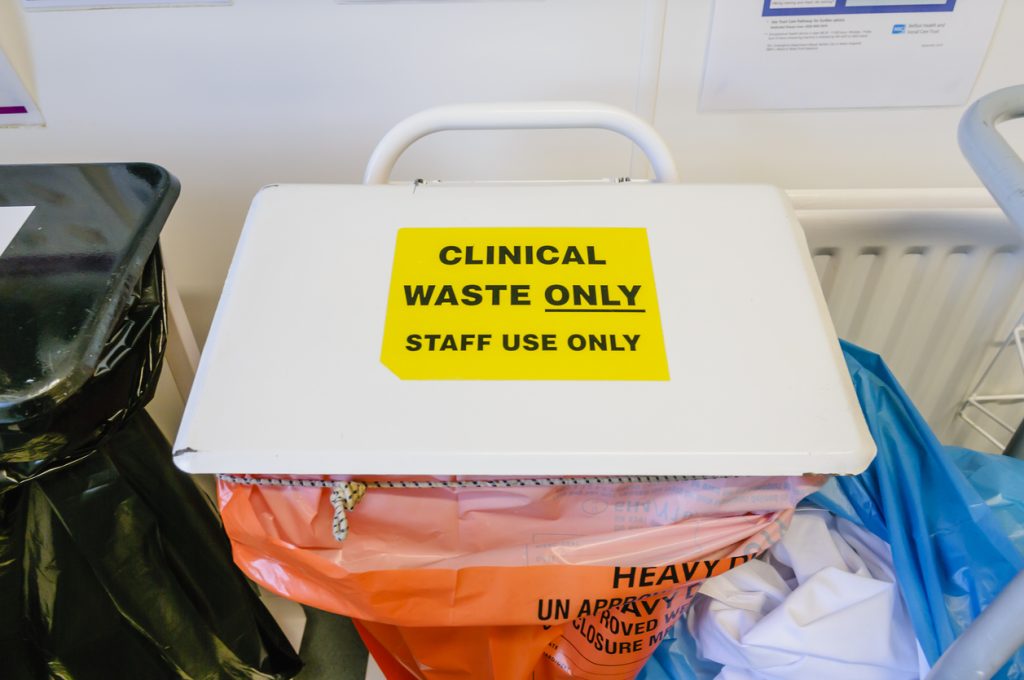
Radioactive medical waste in Nigeria is not the kind of hospital waste that should be moved casually or treated like ordinary clinical refuse. It can come from nuclear medicine, radiotherapy, diagnostic imaging, laboratory testing, research facilities, and hospitals that use radioactive materials for patient care.
For hospitals, diagnostic centres, and medical laboratories, the real challenge is not only disposal. It is knowing how to separate the waste, keep proper records, store it safely, arrange compliant movement, and work only with authorised waste handlers.
That is where proper planning matters. A small mistake in labelling, packaging, documentation, or transport coordination can delay clearance, expose staff to risk, or create regulatory problems for the facility.
Where Radioactive Medical Waste Usually Comes From
In Nigerian healthcare settings, radioactive waste is mostly linked to specialised medical services rather than everyday hospital operations. A general clinic may produce infectious waste, sharps, and pharmaceutical waste, but radioactive waste usually comes from facilities handling radiation sources or radioactive substances.
Common sources include:
Nuclear medicine departments: Waste may come from diagnostic or treatment procedures involving radioactive tracers.
Radiotherapy centres: Certain sealed sources, contaminated materials, or associated waste may require strict control.
Diagnostic and interventional radiology units: Some facilities use radiation-generating equipment and must manage related safety procedures carefully.
Medical research laboratories: Research involving radioactive substances can produce low-level contaminated items that need controlled storage and disposal.
Because the waste differs by source, it should not be packed, stored, or transported without proper classification.
Why Hospitals Cannot Treat It Like Regular Medical Waste
A common mistake is assuming that all hospital waste can go through the same collection route. That may work for general clinical waste, but radioactive medical waste in Nigeria requires a more controlled process.
The facility needs to consider:
Whether the waste is short-lived or long-lived
Whether it is solid, liquid, sealed, or unsealed
Whether it needs decay storage before disposal
Whether the transporter is permitted to handle such material
Whether the receiving facility is authorised
Whether staff have proper safety procedures in place
This is why hospitals in Lagos, Abuja, Port Harcourt, Ibadan, Enugu, and other major medical hubs usually need more than a “waste pickup.” They need a coordinated movement plan that protects staff, patients, the public, and the facility’s operating licence.
What a Proper Pickup Plan Should Include
Before radioactive hospital waste leaves a facility, the team responsible should confirm the waste type, packaging requirements, documentation, and destination. For example, a diagnostic centre in Ikeja should not simply hand over waste to a regular disposal truck because the driver is available.
A proper plan should include:
Waste identification: Confirm the material, source, activity level, and whether it is contaminated or sealed.
Segregation: Keep radioactive waste separate from infectious waste, general waste, sharps, and chemical waste.
Labelling: Use clear labels so handlers know the content, risk level, and handling instructions.
Secure temporary storage: Keep the waste in a controlled area away from patients, visitors, and unauthorised staff.
Approved transport coordination: Use only appropriate vehicles, trained handlers, and documented movement procedures.
Handover records: Maintain proof of collection, transport, and receipt by the authorised disposal or storage facility.
These steps may sound basic, but in real operations, most problems happen when documentation and handover are rushed.
Transport Challenges Hospitals Face in Nigeria
Moving sensitive medical waste in Nigeria can be complicated by traffic, security checks, poor route planning, and weak coordination between the facility, transporter, and receiving point.
In Lagos, traffic around Ikeja, Surulere, Apapa, Lekki, and Victoria Island can affect scheduled pickup windows. In Abuja, hospitals may need tighter route planning around busy corridors such as Wuse, Garki, Maitama, and airport road. For interstate movements, the transporter must consider checkpoints, road condition, travel time, and emergency response procedures.
This is why the cheapest option is rarely the safest option. A good logistics plan should reduce unnecessary stops, avoid careless handling, and ensure the waste does not sit longer than necessary during transit.
Mistakes Medical Facilities Should Avoid
Facilities that generate radioactive waste should avoid treating compliance as an afterthought. The most common mistakes include:
Mixing radioactive waste with normal medical waste
Using untrained drivers or general waste collectors
Storing waste in unsecured rooms
Failing to keep proper collection records
Not confirming whether the receiving facility can accept the waste
Booking transport without checking regulatory requirements
Poor internal communication between the radiology, admin, and facility management teams
For hospitals and diagnostic centres, these mistakes can create operational delays, staff anxiety, and avoidable regulatory exposure.
How Travo.ng Supports Safer Waste Movement Coordination
Travo.ng helps healthcare facilities, laboratories, and organisations coordinate practical logistics support for sensitive waste movement, including planning pickup schedules, arranging suitable transport, and connecting the job with the right operational process.
For radioactive medical waste in Nigeria, the priority is not ordinary delivery speed. The priority is safe handling, correct documentation, reliable coordination, and working with appropriate disposal or waste management partners.
Travo.ng can support facilities that need help arranging:
Specialised medical waste pickup coordination
Hospital logistics planning
Secure transport scheduling
Interstate movement support where applicable
Facility-to-disposal-point coordination
Emergency logistics support for time-sensitive cases
With the right planning, hospitals can reduce confusion, protect their teams, and manage radioactive medical waste more responsibly.
Book the Right Support Before the Waste Becomes a Problem
Radioactive medical waste should never be moved casually, stored carelessly, or handed over to an ordinary waste collector. Whether your facility is in Lagos, Abuja, Port Harcourt, or another Nigerian city, safe coordination starts with knowing what type of waste you have and arranging the right handling process from the beginning.
Travo.ng gives healthcare providers a practical way to plan sensitive logistics, schedule reliable support, and manage medical waste movement with more confidence.
