


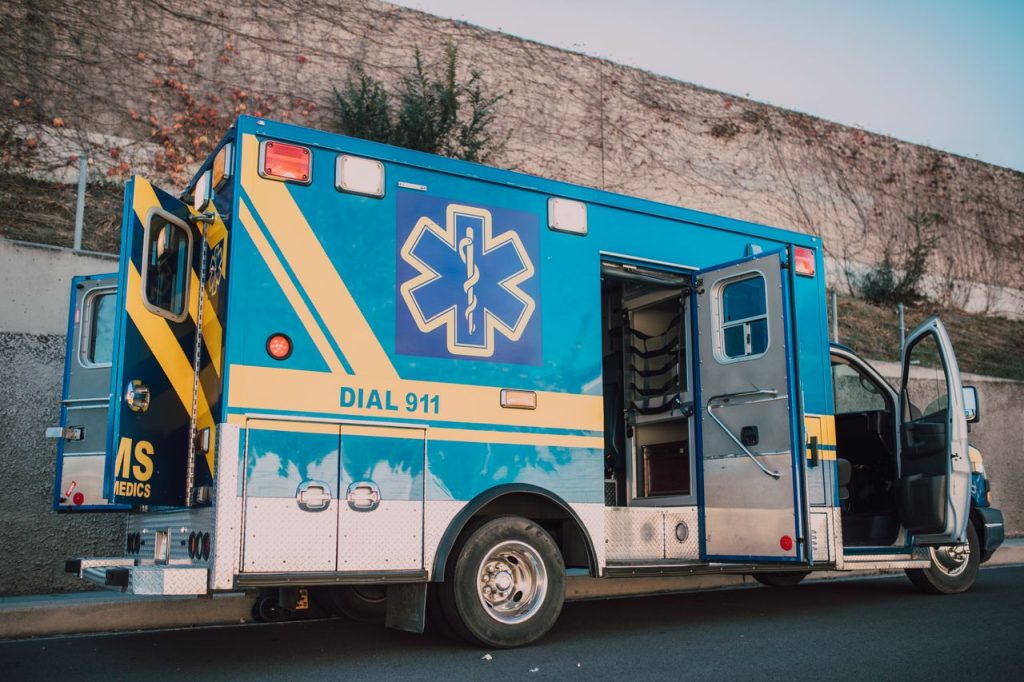
Moving medical items is not the same as sending ordinary parcels. A laboratory courier in Nigeria must understand timing, handling, pickup coordination, and the pressure that comes with moving sensitive healthcare materials from one point to another. Whether it is a diagnostic sample going from a clinic to a lab, test kits moving to a hospital, or medical documents being delivered to a specialist, delays can affect patient care and business operations.
In cities like Lagos, Abuja, Port Harcourt, Ibadan, Enugu, and Kano, medical deliveries require more planning than many people expect. Traffic, poor address descriptions, heat exposure, and unreliable dispatch coordination can easily turn a simple delivery into a problem. This is why hospitals, laboratories, pharmacies, diagnostic centres, NGOs, and health businesses need courier support that is organised, reachable, and familiar with Nigerian delivery conditions.
Travo.ng helps individuals and businesses coordinate dependable courier and logistics services for medical-related deliveries across Nigeria, with practical support for time-sensitive and carefully handled items.
What Makes Laboratory Deliveries Different From Regular Courier Jobs
A regular courier may carry clothes, documents, food items, or ecommerce orders. Laboratory courier work is more sensitive because the item being moved may have medical importance. It may need to arrive within a certain time frame, be handled carefully, or be delivered directly to a named person.
Common laboratory courier items include:
Medical test samples: Blood samples, swabs, urine samples, pathology items, and other diagnostic materials that need careful handling.
Lab supplies: Test kits, reagents, sample bottles, collection tubes, gloves, and packaged consumables for clinics and laboratories.
Medical documents: Test reports, referral letters, hospital records, insurance forms, and signed medical paperwork.
Pharmacy and healthcare items: Non-restricted medical supplies, wellness products, and packaged healthcare materials for clinics or patients.
For this kind of movement, the courier must not treat the package casually. Pickup time, receiver confirmation, packaging instructions, and delivery updates all matter.
Common Problems Clinics and Labs Face With Medical Deliveries
Many healthcare businesses in Nigeria lose time because they depend on informal dispatch arrangements. A rider may accept the job without understanding the urgency. A driver may delay because of poor route planning. In some cases, the sender may not even know where the package is until the receiver calls to complain.
Some common issues include:
Wrong pickup timing: A sample that should leave by 10 a.m. may not be collected until much later, especially during busy Lagos or Abuja traffic periods.
Poor communication: The sender, rider, and receiver are not properly connected, so nobody knows the exact delivery status.
Address confusion: Hospital wings, laboratory entrances, estates, and office complexes can be difficult to locate without clear coordination.
Unplanned delays: Rain, fuel scarcity, roadblocks, and peak-hour congestion can affect delivery times if the movement is not planned properly.
A good laboratory courier in Nigeria should reduce these risks by confirming details before pickup and keeping communication open until delivery is completed.
How Long Laboratory Courier Delivery Can Take in Nigeria
Delivery time depends on the city, distance, traffic, and urgency of the item. Within Lagos, a medical courier from Ikeja to Victoria Island may take 1.5 to 3 hours depending on traffic and pickup timing. A movement from Lekki to Yaba can be faster in light traffic but may take longer during evening rush hour.
In Abuja, deliveries between Wuse, Garki, Maitama, Asokoro, Gwarinpa, and Jabi are usually easier to manage, but hospital and lab locations still require proper coordination. Interstate laboratory logistics, such as Lagos to Ibadan, Abuja to Kaduna, or Port Harcourt to Aba, usually need more planning and may require same-day or next-day transport depending on the package type.
For urgent deliveries, the best approach is to book early, provide complete pickup details, and confirm that someone will be available to receive the package immediately.
What to Prepare Before Booking a Laboratory Courier
To avoid delays, clinics and individuals should prepare the delivery properly before the courier arrives. Even a reliable rider or driver can be slowed down if the package is not labelled, the contact person is unavailable, or the receiver’s address is incomplete.
Before booking, confirm:
Pickup address: Include the building name, floor, department, estate gate, or nearest landmark.
Receiver details: Provide the receiver’s name, phone number, department, and exact drop-off point.
Package condition: Make sure samples or lab items are sealed, labelled, and packed according to the sender’s internal handling standards.
Delivery urgency: State whether the item is routine, same-day, urgent, or scheduled for a specific pickup window.
Special instructions: Mention if the item should not be shaken, exposed to heat, delayed, or handed to anyone except the named receiver.
These small details make a big difference, especially when moving medical items in busy Nigerian cities.
When Businesses Need Scheduled Medical Courier Support
Some laboratories and clinics do not need one-off courier service. They need repeat logistics support for daily or weekly pickups. For example, a diagnostic centre may collect samples from partner clinics every morning. A pharmacy supplier may deliver packaged medical items to hospitals twice a week. An NGO may move test kits to field offices across different states.
Scheduled courier support is useful for:
Diagnostic labs with multiple collection points: Regular sample pickup from clinics, hospitals, or home-testing teams.
Healthcare suppliers: Planned delivery of lab consumables and medical materials.
Corporate health providers: Movement of reports, forms, and health screening materials.
Medical outreach teams: Delivery of supplies to temporary clinics, screening centres, or rural health projects.
With Travo.ng, businesses can arrange courier and delivery support based on their route, timing, and handling needs instead of struggling with random dispatch riders for every movement.
Choosing the Right Laboratory Courier in Nigeria
Before booking a courier for medical-related deliveries, do not only ask for the cheapest price. Ask whether the courier can meet the delivery timeline, communicate properly, and follow instructions. A slightly cheaper option can become expensive if a sample is delayed, a report is misplaced, or the receiver cannot be reached.
Look for a service that offers:
Clear pickup coordination: The courier should confirm where and when the item will be collected.
Delivery updates: You should be able to know when the item has been picked up and delivered.
Route awareness: The service should understand local traffic patterns and realistic delivery timing.
Careful handling: The courier should follow the sender’s packaging and handling instructions.
Reliable contact support: You should not be left guessing when the delivery is already in motion.
Book Laboratory Courier in Nigeria With Travo.ng
If you need to move medical samples, lab supplies, healthcare documents, or scheduled diagnostic deliveries, Travo.ng can help you arrange practical courier support across Nigeria. The service is useful for hospitals, laboratories, pharmacies, clinics, NGOs, health businesses, and individuals who need medical-related items delivered with better coordination.
You can also use Travo.ng for related services such as courier delivery, business logistics support, transport coordination, airport pickup for medical visitors, and movement of important documents between cities.
For a laboratory courier in Nigeria, the goal is not just to move a package. The goal is to move it safely, on time, and with the right communication from pickup to delivery. Travo.ng gives you a reliable way to book that support when timing and handling matter.
