


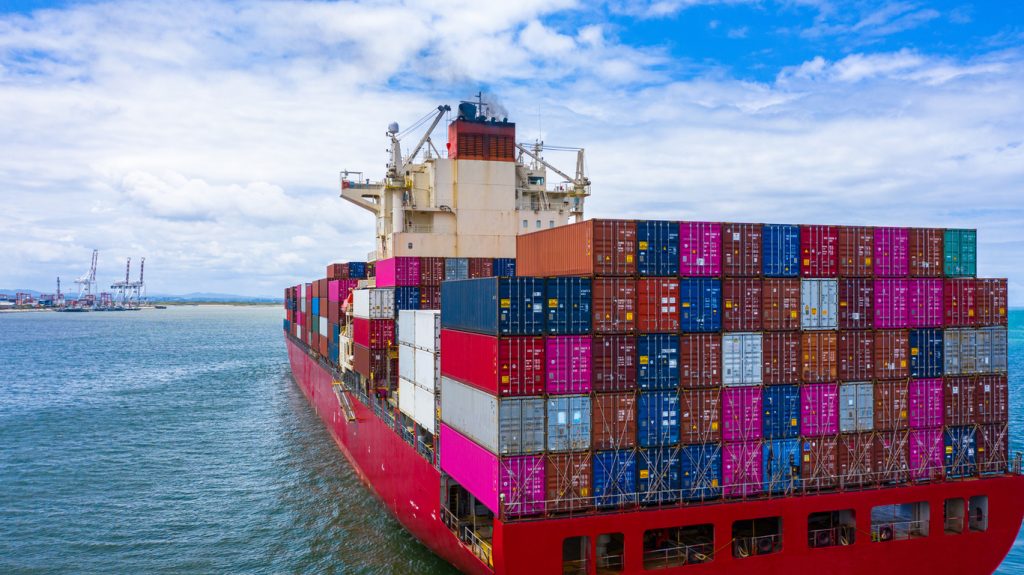
Container return inspection in Nigeria is the process of checking a shipping container after it has been emptied and returned to the shipping line, depot, or container yard. The inspection determines whether the container is in good condition, damaged, contaminated, or requires cleaning or repair.
In simple terms, it is the check done to confirm if a container can be reused or if extra charges will apply.
Why Container Return Inspection Is Done
Shipping lines and depots carry out inspections to:
1. Confirm Container Condition
- Ensure the container is not damaged
- Verify structural integrity
2. Check for Cleaning Requirements
- Remove cargo residue
- Detect contamination or odor
3. Identify Damage Liability
Determine who is responsible for:
- Structural damage
- Door damage
- Floor damage
4. Prevent Future Shipping Risks
Ensure the container is safe for reuse in global shipping.
When Container Return Inspection Happens
Inspection usually occurs:
- After cargo is unloaded
- Before container is accepted back at the depot
- During container return to shipping line yard
- At inspection terminals or container depots
What Inspectors Look For
1. Structural Condition
- Frame integrity
- Wall and roof condition
2. Door Functionality
- Lock system
- Hinges
- Alignment
3. Internal Condition
- Cleanliness
- Residue or contamination
- Odor presence
4. Floor Condition
- Cracks or breakage
- Oil stains or chemical spills
5. External Condition
- Rust
- Dents
- Paint damage
Outcomes of Container Return Inspection
1. Accepted Without Charges
Container is clean and undamaged.
2. Cleaning Required
Container needs washing or decontamination.
3. Repair Required
Damage must be fixed before reuse.
4. Damage Charges Issued
Importer may be billed for repair or cleaning.
Common Issues Found During Inspection in Nigeria
1. Residual Cargo Waste
- Food particles
- Packaging materials
- Dust or powders
2. Structural Damage
- Bent panels
- Broken doors
- Floor damage
3. Contamination
- Oil stains
- Chemical residues
- Strong odors
4. Improper Unloading Damage
- Forklift impact
- Rough handling
Impact of Container Return Inspection on Importers
1. Extra Charges
May lead to:
- Cleaning fees
- Repair charges
- Depot handling fees
2. Delayed Container Return
Containers cannot be cleared until inspection is completed.
3. Demurrage Risk
Delays may increase storage costs.
4. Cash Flow Pressure
Unexpected charges affect budgeting.
5. Supply Chain Disruption
Affects availability of containers for future shipments.
Example of Inspection Outcome Costs
- Cleaning only: ₦30,000 – ₦150,000
- Minor repair: ₦100,000 – ₦300,000
- Major damage: ₦300,000 – ₦2,000,000+
How to Avoid Problems During Container Return Inspection
1. Proper Cargo Handling
Avoid spillage or damage during unloading.
2. Clean Container Before Return
Remove all residues and packaging waste.
3. Avoid Overloading
Prevents structural stress and damage.
4. Inspect Container Before Return
Check condition before sending back to depot.
5. Use Skilled Logistics Teams
Experienced handlers reduce damage risk.
Role of Documentation in Inspection
Proper documentation helps:
- Dispute unfair charges
- Prove container condition at delivery
- Speed up claim resolution
- Avoid double billing
How Travo.ng Supports Businesses After Clearance
While container return inspection happens after cargo unloading, efficient logistics plays a key role in preventing damage and reducing costs.
This is where Travo.ng supports businesses across Nigeria.
Travo.ng provides:
- Cargo pickup from ports and airports
- Nationwide transportation services
- Interstate logistics coordination
- Commercial cargo delivery
- Distribution support for businesses
- Last-mile delivery solutions
Careful transport and handling reduce container damage risk and improve overall supply chain efficiency.
Final Insight
Container return inspection in Nigeria is a critical process that determines whether a returned shipping container is accepted, cleaned, or repaired. It directly affects import costs through potential charges and delays. Proper handling, cleaning, and documentation help importers avoid unnecessary expenses.
