


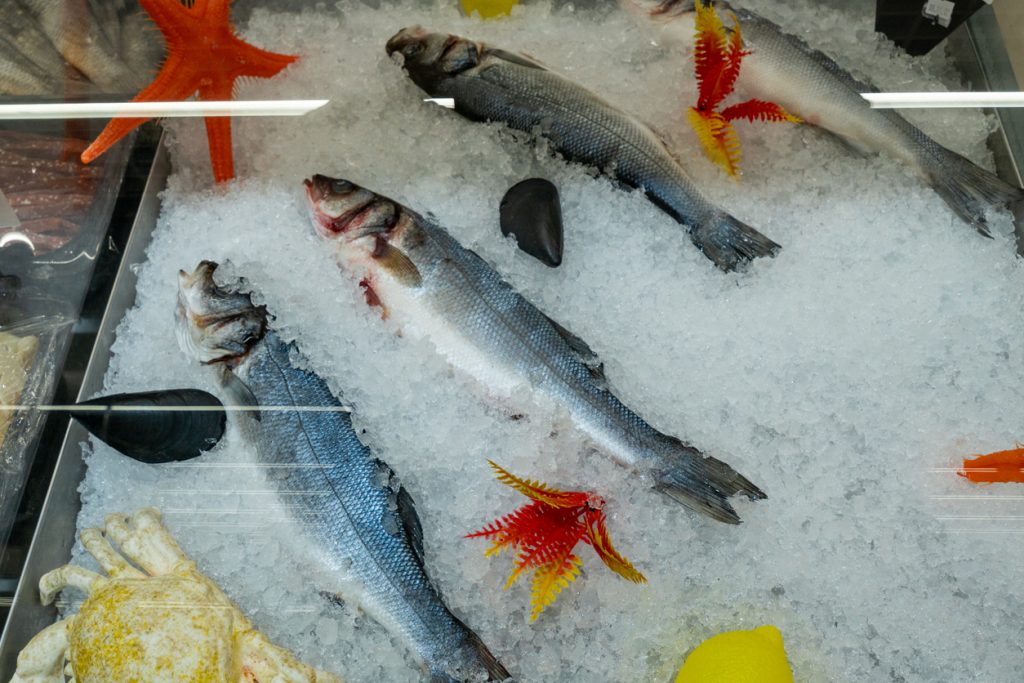
Finding dependable Seafood cold storage Lagos services is important when you are dealing with fish, prawns, crabs, lobsters, or other products that can deteriorate quickly in Lagos heat. For seafood businesses, restaurants, supermarkets, caterers, importers, and distributors, cold storage is not simply somewhere to keep cartons. Temperature control has to continue from arrival through storage and eventual delivery.
A shipment can arrive in good condition and still lose quality if it spends too long waiting for unloading, stays outside refrigeration during sorting, or travels across Lagos in an unsuitable vehicle. Proper planning helps businesses reduce spoilage, protect product quality, and avoid expensive losses.
What Happens When Seafood Arrives in Lagos
Seafood handling usually involves several stages. Imported frozen products may arrive through Apapa or Tin Can Island, while locally sourced fish could come from fishing communities, processing facilities, markets, or suppliers outside Lagos.
Once the products are available for collection, timing becomes critical.
Frozen seafood generally needs to remain consistently frozen, while fresh products require controlled chilled conditions. The required temperature depends on the product and how it was processed, so businesses should confirm storage specifications before arranging space.
A typical operation may involve:
- collection from the supplier, terminal, or processing point
- transfer into temperature-controlled storage
- inventory recording and proper stacking
- scheduled picking for customer orders
- refrigerated or appropriately insulated delivery
Reducing unnecessary movement between these stages makes the cold chain easier to manage.
Choosing Seafood Cold Storage Lagos Businesses Can Depend On
Location matters more than many businesses initially expect.
A seafood distributor serving Lekki restaurants may not want stock stored at a facility that creates hours of additional movement every time an order is dispatched. Likewise, companies receiving cargo around Apapa should consider the distance between the collection point and warehouse.
Before choosing a facility, ask practical questions about:
- available chilled or frozen temperature ranges
- backup electricity arrangements
- monitoring of storage temperatures
- loading and unloading procedures
- minimum storage quantities
- daily, weekly, or monthly storage arrangements
- access times for dispatch
- ability to coordinate onward transportation
Reliable power is particularly important in Lagos. Cold rooms should have adequate backup arrangements because temperature fluctuations can affect seafood even when the products still appear frozen externally.
Plan Around Lagos Traffic Before Moving Frozen Seafood
Cold storage does not solve the problem if transportation breaks the temperature chain.
A delivery leaving a cold facility in Ikeja for Victoria Island, for example, may encounter significant traffic around Maryland, Third Mainland Bridge, Ikoyi, or alternative routes. During peak periods, what looks like a relatively short journey can become several hours.
Businesses should therefore coordinate loading times with realistic Lagos traffic conditions rather than simply choosing the most convenient departure time.
Early-morning dispatches can work well for restaurant and supermarket deliveries, while businesses sending multiple orders may group destinations by area. Lekki and Victoria Island orders can be planned separately from Ikeja, Yaba, Surulere, or mainland deliveries.
Travo.ng can support businesses with cold-chain logistics, cargo movement, delivery coordination, and transport planning, helping reduce unnecessary delays between storage and the final destination.
Avoid Storing More Seafood Than You Can Move
One common mistake is treating cold storage as permission to hold unlimited stock.
Storage should match actual sales and distribution patterns. A restaurant supplier moving 300 cartons each week requires a different arrangement from an importer holding several tonnes for wholesale distribution.
Before booking space, estimate:
- the quantity arriving
- expected storage duration
- average daily or weekly dispatch volume
- temperature requirements
- number of delivery destinations
This information makes it easier to choose appropriate storage capacity and calculate the full logistics cost rather than focusing only on warehouse charges.
Coordinate Storage and Delivery as One Operation
The safest seafood logistics arrangements are usually planned from collection to final delivery.
Travo.ng can help coordinate Seafood cold storage Lagos, cargo pickup, temporary storage, refrigerated movement where required, and distribution to restaurants, supermarkets, hotels, caterers, wholesalers, and other commercial customers.
Instead of arranging storage, drivers, and deliveries separately, businesses can coordinate the movement as one logistics operation. This is especially useful for companies handling regular seafood supplies across Lagos or receiving larger shipments that need to be distributed in stages.
When seafood is temperature-sensitive, every unnecessary hour matters. Planning the storage location, handling process, dispatch schedule, and delivery route together gives businesses a much better chance of keeping products in the condition customers expect.
