


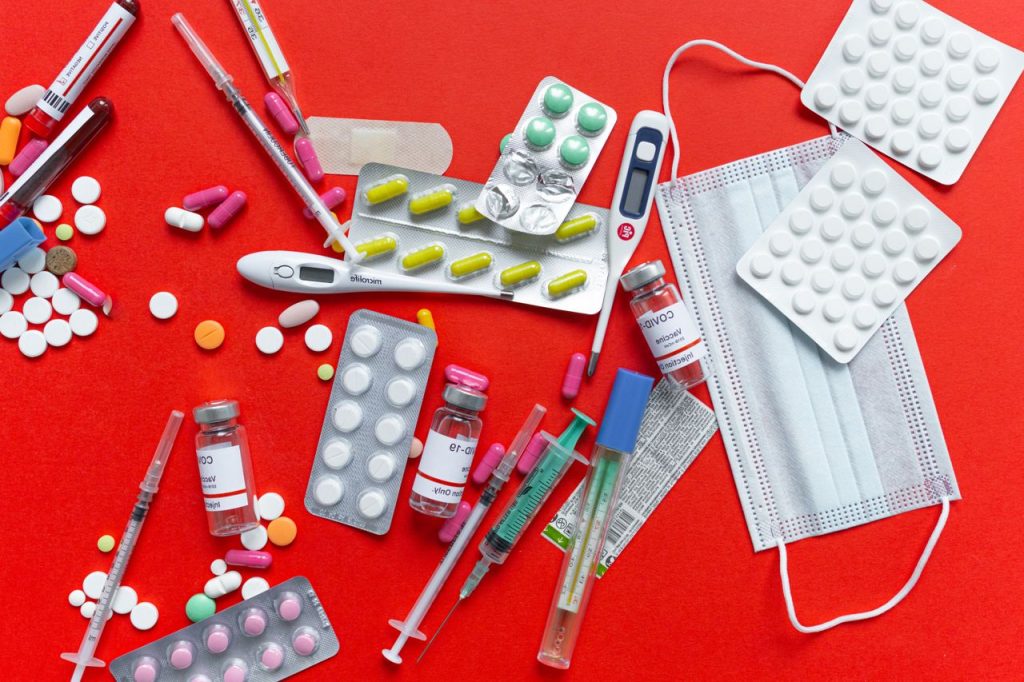
Hospital supply delivery in Nigeria is not the same as ordinary parcel delivery. A carton of gloves, syringes, diagnostic kits or emergency theatre consumables may look simple from the outside, but if it arrives late, damaged or at the wrong department, it can disrupt patient care.
Across Nigerian cities, many hospitals, clinics, pharmacies, laboratories and medical suppliers need dependable delivery support. Some requests are planned, like monthly supply runs from Lagos to Abuja. Others are urgent, like moving test kits from a distributor in Ikeja to a clinic in Lekki before closing time. In both cases, the delivery must be handled with care, timing and proper coordination.
What Hospitals Usually Need Delivered
Medical supply movement covers more than drugs. In many Nigerian hospitals, daily operations depend on small but important items arriving when needed.
Common hospital supplies include:
Medical consumables: Gloves, syringes, cannulas, face masks, cotton wool, gauze, disinfectants and wound-care items.
Diagnostic supplies: Sample bottles, rapid test kits, reagents, strips, laboratory forms and specimen packaging materials.
Hospital equipment: Blood pressure monitors, thermometers, nebulizers, weighing scales, oxygen accessories and small theatre tools.
Administrative items: Patient files, printed forms, sealed documents, invoices and procurement papers.
Some items can move by standard courier. Others require more careful packaging, faster dispatch or temperature awareness. That is why choosing the right delivery arrangement matters.
The Real Challenge With Hospital Supply Delivery in Nigeria
The biggest problem is usually not distance. It is coordination.
A supplier in Lagos may have stock ready, but the hospital store officer may only receive deliveries during certain hours. A clinic in Abuja may need a product urgently, but traffic around Wuse, Garki or the airport road can delay pickup. A medical team in Port Harcourt may need supplies moved from Lagos, but poor communication can lead to missed handover details.
Hospitals also cannot afford careless delivery. Riders and drivers must understand that medical items should not be squeezed under food packages, exposed to rain or handed to the wrong person at the gate.
For interstate deliveries, timing is even more important. Lagos to Abuja medical supply movement may take one to two days by road depending on pickup time, vehicle availability and route conditions. Smaller urgent items may move faster through air cargo coordination, while bulk hospital supplies often require van or truck movement.
How to Prepare Medical Supplies Before Pickup
Good delivery starts before the rider or driver arrives. Hospitals and suppliers should package supplies properly and label them clearly.
A simple preparation checklist includes:
Confirm the receiving contact: Include the name, phone number and department of the person collecting the item.
Seal sensitive supplies properly: Use cartons, tamper-evident bags or waterproof packaging where needed.
Separate fragile items: Diagnostic kits, glass bottles and small equipment should not be packed loosely.
Write clear delivery instructions: State whether the item should go to the pharmacy, laboratory, procurement office, theatre store or reception.
Confirm timing: Some hospital stores close earlier than expected, especially on weekends or public holidays.
These steps reduce confusion and help the delivery team complete the job faster.
When Same-Day Hospital Supply Delivery Makes Sense
Same-day delivery is useful when the item is needed urgently within the same city. In Lagos, this may include moving supplies from Oshodi, Ikeja, Yaba or Apapa to hospitals in Surulere, Lekki, Victoria Island or Ajah.
In Abuja, same-day delivery can work for movements between Wuse, Garki, Maitama, Gwarinpa, Asokoro and nearby medical facilities. However, timing should be realistic. A request made during heavy traffic or late evening may need special coordination.
Same-day hospital supply delivery in Nigeria is best for:
Urgent pharmacy restocking
Emergency consumables for clinics
Medical documents and procurement files
Small diagnostic supplies
Replacement equipment parts
For bulk items or interstate movement, planned scheduling is usually safer and more cost-effective.
What Businesses Should Look for in a Delivery Partner
Medical suppliers, pharmacies and hospital procurement teams should avoid using random dispatch options for important healthcare deliveries. A dependable logistics partner should provide proper pickup communication, delivery confirmation and realistic timelines.
The delivery team should also understand Nigerian road conditions, hospital access procedures and the importance of careful handling. For example, delivering to a teaching hospital may require more navigation than delivering to a small private clinic. Some hospitals have multiple gates, security checks and separate departments for receiving supplies.
This is where Travo.ng can support hospitals, pharmacies, laboratories and medical suppliers with courier services, delivery coordination, cargo logistics and transport planning across Nigeria. Whether the request is a small same-day dispatch or a scheduled interstate supply movement, Travo.ng helps match the delivery need with the right transport option.
Safer Hospital Supply Movement Starts With Better Planning
Hospital supply delivery in Nigeria works best when speed, packaging and communication are handled properly. A late delivery can affect clinic operations, but a poorly handled delivery can create even bigger problems.
Before sending medical supplies, confirm the item type, destination, urgency, handling needs and receiver details. For regular hospital deliveries, it is also better to create a repeatable process instead of arranging every dispatch in a rush.
With reliable delivery support from Travo.ng, healthcare businesses can move hospital supplies more confidently, reduce delays and keep medical operations running smoothly across Nigerian cities.
