


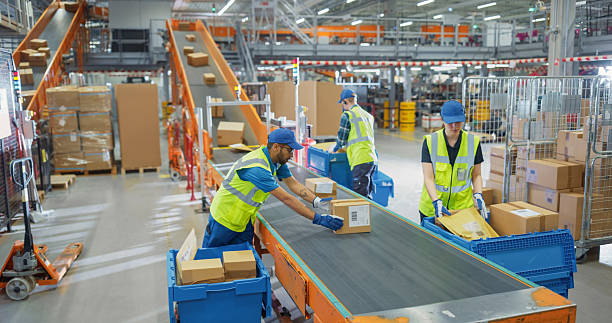
Buying goods in large quantities from China often involves dealing with several factories, different production schedules and multiple shipments. A China warehouse for bulk buyers provides a central location where goods can be received, checked, stored and prepared before international shipping.
For Nigerian and African importers, this can make large-scale purchasing easier to coordinate and help avoid sending every supplier’s cargo separately.
How a China Warehouse Works for Bulk Buyers
The process normally starts when you purchase goods from manufacturers, wholesalers or marketplaces such as Alibaba, 1688 or directly from Chinese factories.
Instead of having each supplier arrange international shipping independently, your suppliers can send eligible cargo to a designated warehouse in China. The warehouse can then:
- Receive goods from different suppliers.
- Record cartons, quantities and shipment details.
- Check packaging and visible cargo condition.
- Hold goods while other suppliers complete production.
- Repack or organise cargo where necessary.
- Consolidate compatible orders into a larger shipment.
- Prepare the cargo for air or sea freight.
This is particularly useful when a bulk buyer has several suppliers in Guangzhou, Shenzhen, Yiwu, Foshan, Shanghai or other manufacturing centres.
Why Bulk Buyers Use China Warehouses
Large orders can become difficult to manage when every supplier has a separate delivery schedule. A warehouse gives the buyer greater control over when cargo is combined and shipped.
For example, a Nigerian importer buying clothing from Guangzhou, electronics from Shenzhen and accessories from Yiwu may prefer to bring the orders together before arranging international freight.
Consolidation can reduce repeated origin handling and multiple international shipments, although the actual savings depend on cargo volume, packaging, destination and shipping method.
Preparing Bulk Cargo for Shipping
Bulk goods should be assessed before they leave China. Weight, dimensions, number of cartons, product type and packaging can affect the final freight arrangement.
For larger volumes, FCL sea freight may be suitable when the cargo can efficiently fill a container. Smaller bulk orders can be consolidated through LCL, while urgent or high-value goods may be better suited to air freight.
Buyers should also make sure invoices, packing information, product descriptions and other required shipping documents accurately reflect the cargo.
How Travo.ng Can Help
Travo.ng can help coordinate the logistics involved in moving goods from Chinese suppliers towards their final destination. This can include coordinating supplier cargo, warehouse receiving, consolidation planning and selecting an appropriate air or sea freight option.
For businesses importing regularly, having one organised shipping plan can make it easier to manage multiple suppliers, control cargo movement and prepare bulk orders for international transportation.
Before shipping, provide the supplier locations, product types, estimated quantity, carton dimensions or CBM, weight and destination. These details help determine the most practical way to handle and transport the bulk shipment.
