


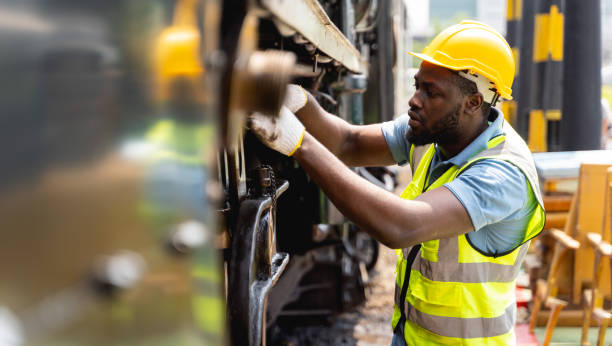
Fleet service technicians play an important role in keeping company vehicles safe, reliable and available for daily operations. They inspect, service, diagnose and repair vehicles used by transport, logistics, delivery, construction and other businesses.
Fleet service technician jobs are suitable for automotive technicians, diesel mechanics, vehicle maintenance technicians and experienced mechanics with practical knowledge of cars, vans, buses, trucks or motorcycles.
Recent Nigerian fleet technician roles include responsibilities such as preventive maintenance, vehicle diagnostics, engine and transmission repairs, electrical troubleshooting, brake and suspension maintenance, inspections and emergency breakdown repairs.
What Does a Fleet Service Technician Do?
A fleet service technician is responsible for maintaining multiple vehicles operated by a company.
Typical duties include:
- Inspecting fleet vehicles
- Performing routine servicing
- Conducting preventive maintenance
- Diagnosing mechanical faults
- Repairing engines
- Servicing transmissions
- Troubleshooting electrical systems
- Maintaining brakes and suspension
- Checking tyres and wheels
- Responding to breakdowns
- Conducting pre-deployment inspections
- Completing maintenance records
The main objective is to keep vehicles safe, roadworthy and available while reducing unnecessary downtime.
Types of Vehicles You May Maintain
Depending on the employer, fleet technicians may work on:
- Cars
- Vans
- Buses
- Trucks
- Delivery vehicles
- Motorcycles
- Tricycles
- Construction vehicles
- Utility vehicles
Some fleet operations specialise in one type of vehicle, while larger companies may maintain several categories. A recent Lagos fleet technician position, for example, covers cars, vans, buses and trucks.
Preventive Maintenance Skills
Preventive maintenance is one of the most important parts of fleet servicing.
Typical maintenance tasks include:
- Changing engine oil.
- Replacing filters.
- Checking fluids.
- Inspecting belts and hoses.
- Checking batteries.
- Inspecting brakes.
- Checking tyres.
- Inspecting suspension components.
- Checking steering systems.
- Conducting scheduled vehicle inspections.
A good technician identifies potential problems before they become expensive breakdowns.
Vehicle Diagnostics
Fleet technicians need strong diagnostic skills because vehicles can experience mechanical, electrical and electronic faults.
Useful skills include:
- Engine diagnostics
- Fault-code reading
- Diagnostic scanner operation
- Electrical testing
- Battery testing
- Alternator diagnosis
- Starter-motor testing
- Sensor troubleshooting
- Wiring inspection
- ECU diagnostics
Modern fleet roles increasingly expect technicians to diagnose faults accurately instead of replacing components without identifying the underlying problem.
Engine and Transmission Repairs
Depending on the fleet, technicians may work on both petrol and diesel engines.
Important skills include:
- Engine servicing
- Fuel-system diagnosis
- Cooling-system repairs
- Engine-overheating diagnosis
- Injector troubleshooting
- Engine component replacement
- Clutch repairs
- Gearbox servicing
- Transmission diagnosis
- Drivetrain inspection
Experience with both petrol and diesel vehicles can significantly expand your job opportunities.
Brake, Suspension and Steering Systems
Fleet technicians are responsible for maintaining safety-critical vehicle systems.
They may inspect and repair:
- Brake pads
- Brake discs
- Brake drums
- Brake fluid
- Suspension components
- Shock absorbers
- Wheel bearings
- Steering components
- Tie rods
- Wheel alignment
These systems should be checked regularly because fleet vehicles may accumulate high mileage and operate for long hours.
Fleet Inspections
Fleet technicians often inspect vehicles before they are deployed.
A pre-deployment inspection may involve checking:
- Engine condition
- Oil and fluid levels
- Brakes
- Tyres
- Lights
- Battery
- Steering
- Suspension
- Safety equipment
- General roadworthiness
Recent Nigerian fleet roles specifically include pre-deployment inspections and post-maintenance testing.
Emergency Breakdown Repairs
Fleet service technicians may also respond when vehicles break down during operations.
Responsibilities can include:
- Travelling to the breakdown location
- Inspecting the vehicle
- Diagnosing the problem
- Carrying out emergency repairs
- Arranging recovery when necessary
- Testing the vehicle
- Recording the incident
The ability to diagnose problems under pressure is a valuable skill for fleet technicians.
Maintenance Records and Job Cards
Fleet maintenance is not only about repairing vehicles.
Technicians may also need to maintain:
- Job cards
- Service histories
- Repair reports
- Parts records
- Inspection reports
- Maintenance schedules
- Breakdown records
- Vehicle condition reports
Accurate documentation helps fleet managers track vehicle performance and maintenance costs. Recent Nigerian fleet positions specifically require accurate maintenance and technical reporting.
What Qualifications Do Fleet Service Technicians Need?
Requirements vary between employers.
Common qualifications include:
- OND Mechanical Engineering
- HND Mechanical Engineering
- Automotive Technology
- Motor Vehicle Mechanics
- Technical college training
- Trade Test certification
- NABTEB
- Automotive repair training
- Practical apprenticeship experience
Some Nigerian fleet technician positions accept technical certificates, Trade Test or NABTEB qualifications alongside practical experience.
Experience Requirements
Employers may look for anywhere from entry-level practical experience to several years of hands-on vehicle maintenance.
For example, a current Lagos fleet technician listing requests 3–5 years of hands-on vehicle maintenance and repair experience and experience with cars, vans, buses and/or light commercial vehicles.
Experience in logistics, transportation, courier services or other fleet-intensive industries can also be advantageous.
What Should You Put on Your CV?
Your CV should clearly demonstrate your practical fleet-maintenance experience.
Include:
- Years of experience
- Vehicle types handled
- Petrol and diesel experience
- Engine repairs
- Transmission repairs
- Electrical troubleshooting
- Brake and suspension maintenance
- Diagnostic tools
- Preventive maintenance
- Fleet inspections
- Emergency repairs
- Maintenance documentation
- Technical qualifications
For example:
“Four years’ experience maintaining commercial vehicle fleets, with expertise in preventive maintenance, engine diagnostics, electrical troubleshooting, transmission repairs, brake and suspension systems and emergency breakdown response.”
Related Job Titles to Search
Don’t search only for “fleet service technician jobs.”
Also search for:
- Fleet Technician
- Automotive Fleet Technician
- Fleet Maintenance Technician
- Fleet Mechanic
- Vehicle Maintenance Technician
- Fleet Service Mechanic
- Automotive Technician
- Diesel Technician
- Vehicle Technician
- Commercial Vehicle Mechanic
- Workshop Technician
- Fleet Maintenance Mechanic
- Field Service Technician
Searching these related titles can help you find more opportunities.
Applications and CV Submission
Candidates interested in fleet service technician opportunities and related vehicle-maintenance positions should prepare an updated CV showing their practical experience, technical qualifications and areas of specialisation.
Applications and CVs should be sent to jobs@wigmoretrading.com.
Use Fleet Service Technician Application as the email subject and include your phone number, years of experience, qualifications, vehicle types handled and technical skills.
How to Stand Out
Fleet employers want technicians who can keep vehicles operational while controlling maintenance costs.
Highlight your ability to:
- Diagnose faults accurately
- Perform preventive maintenance
- Repair petrol and diesel engines
- Troubleshoot electrical systems
- Maintain transmissions
- Repair brakes and suspension
- Inspect tyres and wheels
- Respond to breakdowns
- Use diagnostic scanners
- Maintain accurate service records
Attention to detail is particularly important because incorrect repairs can lead to repeated breakdowns and higher fleet costs.
Safety Is Critical
Fleet technicians work with vehicles, lifting equipment, electrical systems, fuel, hydraulic systems and moving machinery.
Important safety practices include:
- Using appropriate PPE
- Proper vehicle isolation
- Safe jacking and lifting
- Battery safety
- Fuel safety
- Brake-system safety
- Proper workshop procedures
- Safe road testing
- Correct tool usage
Every vehicle should be properly inspected before returning to operational service.
Preparing for the Interview
Expect practical questions such as:
- How would you diagnose a vehicle that will not start?
- What checks should be performed before deploying a fleet vehicle?
- How would you diagnose an overheating engine?
- How would you troubleshoot a charging-system fault?
- What causes premature brake wear?
- How would you diagnose a gearbox problem?
- What is preventive maintenance?
- How would you handle an emergency roadside breakdown?
- How do you determine whether a vehicle is safe to return to service?
- How do you document completed maintenance work?
Use practical examples from your previous workshop or fleet experience.
Where Can Fleet Service Technicians Work?
Potential employers include:
- Logistics companies
- Haulage companies
- Transport companies
- Courier companies
- FMCG companies
- Construction companies
- Manufacturing companies
- Delivery companies
- Vehicle rental companies
- Fleet management companies
- Automotive service companies
Fleet-related recruitment in Nigeria currently covers both conventional vehicle fleets and specialised mobility fleets, including motorcycles and other commercial vehicles.
Career Progression
A fleet service technician can progress through:
Junior Mechanic → Fleet Technician → Senior Fleet Technician → Lead Technician → Fleet Supervisor → Fleet Maintenance Manager
You can also specialise in:
- Diesel fleet maintenance
- Heavy-duty vehicles
- Fleet diagnostics
- Vehicle electrical systems
- Motorcycle fleets
- Commercial vehicle maintenance
- Preventive maintenance
- Fleet quality control
Additional training in diagnostics, vehicle electronics, fleet-management systems and manufacturer-specific technologies can improve your career prospects.
A strong fleet service technician is ultimately someone who can maintain multiple vehicles efficiently, diagnose faults accurately, reduce downtime, control unnecessary repair costs and keep an entire fleet safe and roadworthy.
