


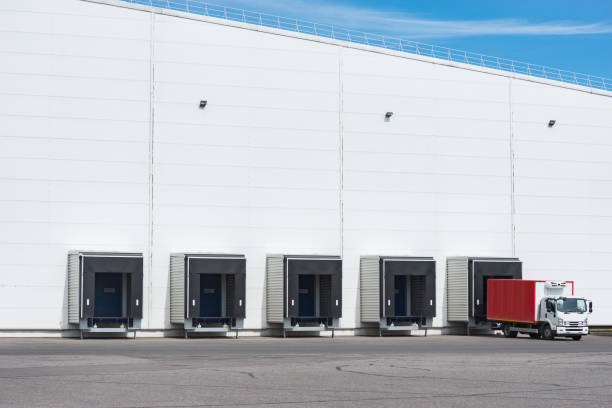
A bonded warehouse is a storage facility where imported goods can be kept under customs control before applicable customs duties and taxes are paid. This type of facility can be useful for importers and businesses that need to store goods temporarily while completing customs and other import procedures.
For businesses involved in international trade, understanding how bonded warehouses work can help with planning inventory, cash flow, and cargo movement.
What Is a Bonded Warehouse?
A bonded warehouse is a facility approved for the storage of certain imported goods under customs supervision.
Instead of immediately moving imported goods into the local market after arrival, eligible goods can be stored in the bonded facility while the required customs processes are completed.
Depending on the applicable rules, duties and taxes may become payable when goods are released for local consumption.
How Does a Bonded Warehouse Work?
A simplified process can look like this:
Goods Arrive → Customs Procedures → Bonded Warehouse → Storage → Customs Clearance → Release → Final Destination
The importer can keep the goods in the facility while handling the necessary requirements for their eventual release.
The exact procedures depend on the type of goods, customs requirements, and applicable regulations.
Who Uses Bonded Warehouses?
Bonded warehouses can be useful for:
- Importers.
- Wholesalers.
- Distributors.
- Manufacturers.
- Retail businesses.
- Freight and logistics companies.
- Businesses handling international cargo.
They can be particularly useful for companies importing large quantities of goods that may not need to be released into the local market immediately.
Benefits of a Bonded Warehouse
Deferred Customs Payments
One of the main advantages is that eligible goods can remain under customs control before applicable duties and taxes are paid.
This can help businesses manage cash flow when goods are being held temporarily.
Better Inventory Management
Importers can keep goods in a controlled location while deciding when and where the goods should be released.
Support for Large Shipments
Businesses importing containers or large quantities of commercial goods may benefit from having an organised storage location while completing clearance arrangements.
Improved Supply Chain Planning
A bonded warehouse can provide businesses with additional flexibility when coordinating customs clearance, transportation, and distribution.
Bonded Warehouse vs Regular Warehouse
A regular warehouse is primarily used for storing goods.
A bonded warehouse operates under customs requirements and is used for eligible goods that remain under customs control.
The key difference is the customs status of the goods being stored.
With a regular warehouse, goods may already have completed the relevant import process and been released for local use.
How Long Can Goods Stay in a Bonded Warehouse?
The permitted storage period is subject to applicable customs rules and the specific conditions governing the bonded warehouse.
Importers should therefore confirm the applicable timeframe rather than assuming that goods can remain indefinitely.
Failure to complete required procedures within the permitted period can create additional costs or other complications.
Costs of Using a Bonded Warehouse
The total cost can depend on several factors, including:
- Quantity of goods.
- Storage duration.
- Cargo size.
- Handling requirements.
- Loading and unloading.
- Documentation.
- Transportation.
- Customs-related charges.
- Warehouse fees.
Importers should request a clear breakdown of charges before arranging storage.
Moving Goods from a Bonded Warehouse
Once goods are cleared and released, they may need to be transported to their final destination.
This could involve:
- Bonded warehouse to warehouse.
- Bonded warehouse to factory.
- Bonded warehouse to distribution center.
- Bonded warehouse to retail location.
- Bonded warehouse to customer.
The appropriate vehicle depends on the size, weight, and type of cargo.
Bonded Warehouse Logistics with Travo.ng
Travo.ng helps businesses coordinate transportation and logistics requirements connected to the movement of commercial goods.
For goods being moved from a bonded warehouse after the necessary release procedures, transportation arrangements can be considered around:
- Warehouse pickup.
- Port-related transportation.
- Warehouse-to-warehouse movement.
- Interstate cargo transportation.
- Commercial distribution.
- Final delivery.
This can help businesses coordinate the domestic transportation side of their supply chain.
What to Consider Before Using a Bonded Warehouse
Before choosing a bonded warehouse, consider:
- Facility location.
- Customs approval and applicable requirements.
- Security.
- Storage capacity.
- Handling facilities.
- Storage charges.
- Accessibility.
- Transportation arrangements.
- Permitted storage period.
- Type of goods accepted.
It is also important to ensure that the warehouse and customs arrangements are appropriate for the specific cargo.
Final Thoughts
A bonded warehouse can give importers additional flexibility when handling goods that have arrived in Nigeria but have not yet been released for local consumption. It can support inventory management while customs and other import requirements are completed.
For businesses using bonded warehouses, transportation remains an important part of the process. Travo.ng can help coordinate suitable logistics and transportation arrangements for moving cleared goods from storage facilities to warehouses, businesses, distribution centers, and other destinations.
