


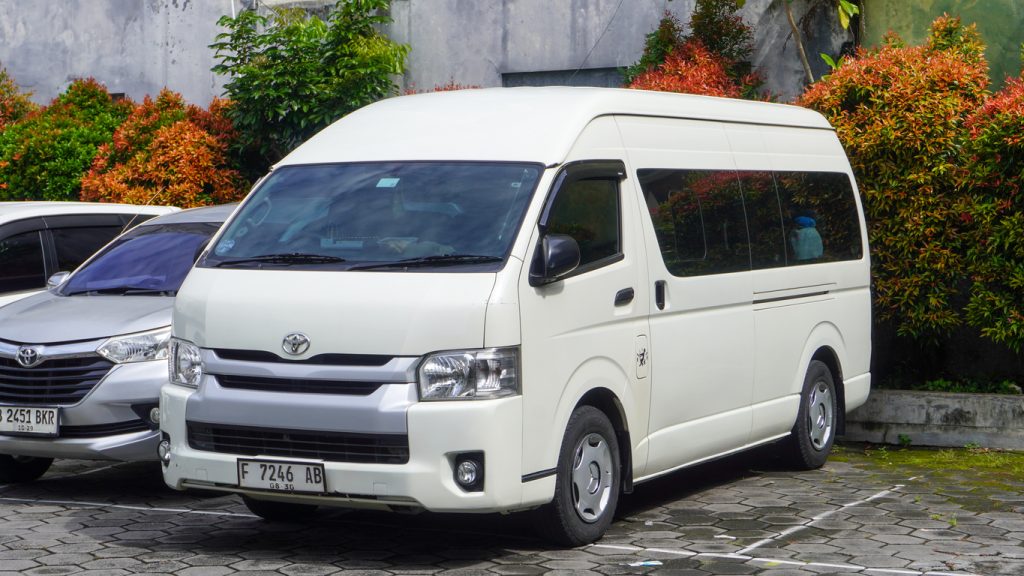
A logistics vehicle tracking system in Nigeria is what keeps modern delivery and transport businesses from running blind. Instead of guessing where trucks, vans, or dispatch riders are, companies can see every movement in real time, manage routes, and react quickly when delays or issues happen.
In high-traffic logistics hubs like Lagos, where deliveries move through congested roads, busy ports, and unpredictable routes, tracking systems are now a core part of daily logistics operations—not an optional upgrade.
What a logistics vehicle tracking system actually does
At its core, a logistics tracking system is designed to give full visibility over all moving assets in a business.
It allows companies to:
- Track delivery vehicles in real time
- Monitor driver routes and stop points
- Reduce delivery delays and inefficiencies
- Control fuel usage and unauthorized trips
- Assign vehicles to delivery tasks more efficiently
- Provide proof of delivery movement history
For logistics companies, it replaces guesswork with live operational data.
How logistics tracking systems work in real operations
The system is built on GPS and mobile communication technology.
Here’s how it works step by step:
- Each vehicle is fitted with a GPS tracking device
- The device captures location using satellite signals
- Movement data is transmitted through GSM or internet networks
- Fleet managers view all vehicles on a central dashboard or mobile app
- Updates show real-time movement, stops, speed, and route history
Some systems also include alerts for route deviation or unauthorized use.
Why logistics businesses in Nigeria rely heavily on tracking systems
In logistics, timing and accuracy directly affect customer satisfaction and profit.
Tracking systems help businesses:
- Reduce late deliveries caused by wrong routing
- Improve coordination of multiple delivery vehicles
- Respond quickly to breakdowns or delays
- Prevent misuse of company vehicles
- Improve accountability among drivers
- Optimize daily delivery schedules
In cities like Lagos, where traffic can change delivery timelines instantly, visibility is critical.
Key features of a good logistics tracking system
Not all systems are built for logistics use. A proper system should include:
- Real-time GPS tracking with minimal delay
- Multi-vehicle dashboard view
- Route history playback for each trip
- Geofencing alerts for delivery zones
- Driver behavior monitoring (speed, stops, idle time)
- Trip assignment and dispatch tools
- Mobile access for managers on the go
These features help logistics companies move from reactive to proactive operations.
Common problems logistics companies face without tracking
Without a tracking system, logistics operations become inefficient and hard to control.
Typical issues include:
- Lost visibility of vehicles during delivery
- Unauthorized route changes by drivers
- Fuel wastage and cost overruns
- Delayed or missed deliveries
- Poor coordination between dispatch and drivers
- Lack of accountability during disputes with customers
These problems often lead to financial loss and customer dissatisfaction.
How tracking improves delivery performance in Nigeria
In logistics-heavy environments like Lagos, tracking systems significantly improve efficiency.
They help companies:
- Assign the nearest available vehicle for deliveries
- Avoid traffic-heavy routes using live data
- Provide accurate delivery time estimates
- Monitor progress of multiple deliveries at once
- Improve customer communication with real-time updates
This level of control directly improves service quality.
Logistics tracking for small and large businesses
Tracking systems are not only for large companies.
They are used by:
- Small courier services with 2–5 vehicles
- E-commerce delivery startups
- Food and retail delivery businesses
- Large logistics companies managing fleets
- Corporate organizations with internal transport systems
Even a small fleet benefits from visibility and control.
Common mistakes in logistics tracking systems
Many businesses invest in tracking but don’t get full value because of avoidable mistakes.
These include:
- Choosing low-quality or fake tracking devices
- Poor installation that allows device failure
- Not using dashboards effectively for planning
- Ignoring subscription or data requirements
- Lack of driver monitoring policies
A tracking system only works when properly integrated into daily operations.
How Travo.ng supports logistics tracking operations
A logistics tracking system becomes more powerful when combined with proper transport coordination and movement planning.
Travo.ng supports businesses by helping coordinate:
- Movement of logistics vehicles for installation and servicing
- Route and transport planning across Nigerian cities
- Fleet mobility coordination for delivery operations
- Logistics support for tracking-enabled businesses
This helps companies connect tracking insights with real-world delivery execution.
Final thoughts on logistics vehicle tracking systems in Nigeria
A logistics vehicle tracking system is no longer just a security tool—it is an operational backbone for modern delivery and transport businesses. It improves visibility, reduces losses, and helps companies make faster and better decisions.
In fast-paced logistics environments like Lagos, tracking systems are now essential for staying competitive and meeting customer expectations consistently.
