


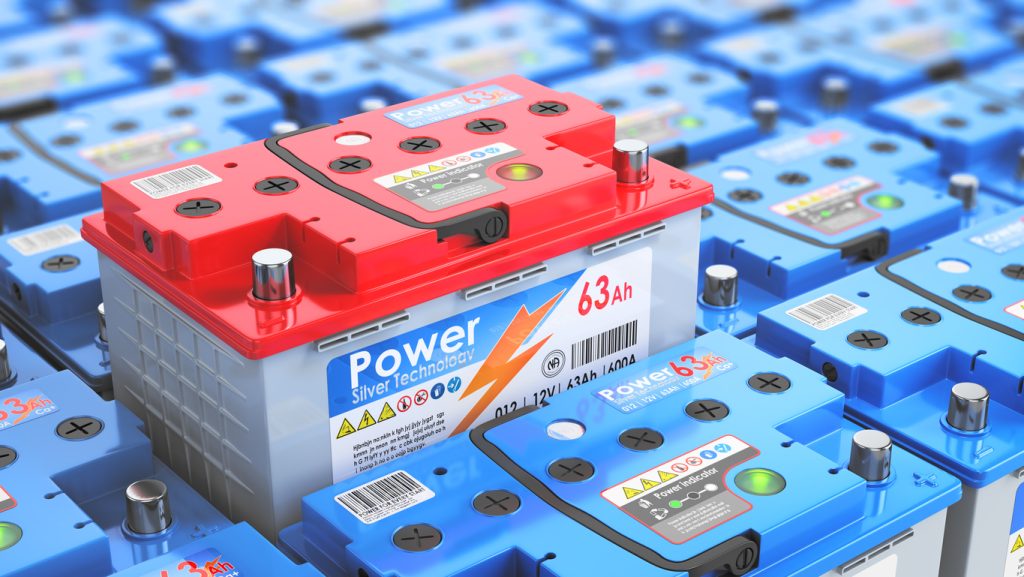
Unreliable electricity remains a serious challenge for businesses across Africa. In Nigeria, companies often depend on petrol or diesel generators to keep offices, warehouses, shops, and production facilities running. Unfortunately, fuel expenses, generator maintenance, and unexpected power interruptions can quickly increase operating costs.
Battery as a service in Africa offers businesses another way to access reliable electricity without purchasing expensive battery storage systems outright.
Instead of paying the full cost of batteries and related equipment upfront, businesses can access energy storage through subscription, leasing, or pay-as-you-use arrangements.
For companies operating in Lagos, Abuja, Port Harcourt, Accra, and other African cities, this approach can make backup power more manageable.
How Battery as a Service in Africa Works
Battery as a Service (BaaS) allows customers to use battery storage equipment while a service provider manages ownership, maintenance, and sometimes installation.
The arrangement depends on the provider, but businesses typically pay a monthly subscription or usage-based fee.
A typical agreement may cover:
- Battery storage equipment and installation
- Routine maintenance and technical inspections
- Battery performance monitoring
- Repairs and replacement arrangements
- Flexible payment plans based on energy requirements
Some providers combine battery systems with solar panels, while others offer storage that charges from the electricity grid.
Before signing an agreement, customers should confirm battery capacity, backup duration, warranty coverage, and responsibility for repairs.
What Businesses in Nigeria Should Expect to Pay
The cost of battery storage services depends on electricity consumption, equipment capacity, installation requirements, and contract duration.
For example, a small retail shop in Ikeja may need enough stored electricity to power lighting, fans, computers, and payment terminals.
A cold storage business in Port Harcourt requires significantly more capacity to maintain refrigeration during electricity outages.
Businesses should request quotations based on their actual electricity consumption rather than choosing batteries solely by price.
A proper energy assessment helps determine whether a 5kWh, 10kWh, or larger storage system is suitable.
It is also important to confirm usable capacity, inverter output, and expected backup hours.
Where Battery Storage Makes the Biggest Difference
Battery subscription services can support several industries across Nigeria and Ghana.
Retail businesses: Supermarkets, pharmacies, and shopping outlets can maintain essential operations during electricity interruptions.
Warehouses: Storage facilities can power security systems, lighting, and inventory equipment.
Hospitality businesses: Hotels and guesthouses can reduce generator dependence while improving guest comfort.
Logistics companies: Distribution centres can keep communication systems, tracking equipment, and dispatch operations running.
For businesses handling temperature-sensitive products, batteries can complement generators and solar systems. However, refrigeration requirements must be carefully calculated before installation.
Managing Battery Equipment Delivery Across Nigeria
Installing commercial battery systems involves more than purchasing equipment.
Large battery units, inverters, mounting structures, and solar components require careful handling during transportation.
Moving equipment from a supplier in Lagos to a commercial facility in Abuja or Port Harcourt requires proper packaging, suitable vehicles, and coordinated delivery schedules.
Lithium batteries may also be subject to specific transport safety requirements.
Travo.ng provides cargo logistics, delivery coordination, and business transport support that can help companies arrange the movement of energy equipment.
Businesses planning multiple installations can also benefit from coordinated deliveries to different locations.
Choosing a Battery Service Provider Without Costly Mistakes
Before committing to a battery subscription, businesses should examine the complete service agreement.
Check whether installation, maintenance, insurance, and battery replacement are included.
Ask about response times when equipment develops faults and whether technical support is available locally.
Businesses should also understand what happens when the contract expires or electricity requirements increase.
A cheaper subscription may become expensive if important services attract additional charges.
Planning Reliable Business Power With Travo.ng
Battery as a service in Africa is creating opportunities for businesses seeking more predictable electricity expenses and reduced dependence on generators.
However, successful adoption requires proper energy planning, dependable equipment, and organised installation logistics.
For businesses transporting batteries, inverters, solar components, or other energy equipment across Nigeria, Travo.ng can assist with cargo movement and logistics coordination.
With the right battery service provider and dependable logistics arrangements, businesses can improve power reliability while managing operational expenses more effectively.
Is this conversation helpful so far?
