


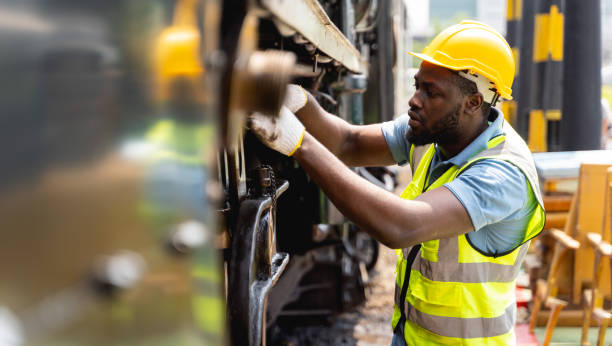
Power equipment is essential across construction, manufacturing, agriculture, energy, logistics and industrial operations in Nigeria. When generators, pumps, compressors and other powered machinery develop faults, skilled mechanics and technicians are needed to diagnose and repair them.
Power equipment mechanic jobs in Nigeria are suitable for diesel mechanics, generator technicians, heavy-equipment mechanics, industrial mechanics and mechanical technicians with practical experience maintaining engines and powered machinery.
Current Nigerian listings show related opportunities for generator and power-equipment technicians, including roles involving installation, maintenance, mechanical and electrical troubleshooting, preventive maintenance and emergency repairs.
What Does a Power Equipment Mechanic Do?
A power equipment mechanic maintains and repairs machinery powered by internal-combustion engines, electric motors or other power systems.
Typical responsibilities include:
- Inspecting power equipment
- Performing preventive maintenance
- Diagnosing mechanical faults
- Servicing diesel and petrol engines
- Repairing generators
- Maintaining pumps and compressors
- Troubleshooting electrical systems
- Replacing worn components
- Responding to equipment breakdowns
- Testing equipment after repairs
- Maintaining service records
The exact equipment depends on the employer and industry.
Types of Power Equipment You May Work On
A power equipment mechanic may work on:
- Diesel generators
- Petrol generators
- Industrial engines
- Water pumps
- Air compressors
- Pressure washers
- Power tools
- Construction equipment
- Agricultural machinery
- Hydraulic equipment
- Small engines
- Industrial machinery
Heavy-equipment mechanics may also work on cranes, paving machines, graders, bulldozers, pumps and compressors.
Diesel Engine Skills Are Valuable
Many power-generation and industrial machines use diesel engines.
Important skills include:
- Diesel engine servicing
- Fuel-system diagnosis
- Injector troubleshooting
- Turbocharger inspection
- Cooling-system maintenance
- Lubrication systems
- Battery and starting systems
- Engine sensors
- Electronic engine controls
A mechanic who understands both traditional mechanical systems and electronically controlled engines can work on a wider range of modern equipment.
Generator Maintenance
Generators are an important part of Nigeria’s commercial and industrial power infrastructure.
Generator technicians and power-equipment mechanics may work on:
- Engine systems
- Alternators
- Control panels
- Fuel systems
- Cooling systems
- Exhaust systems
- Batteries
- Automatic transfer systems
- Sensors
- Electrical connections
Current Nigerian recruitment for generator and power-equipment technicians includes installation, commissioning, preventive maintenance, mechanical and electrical fault diagnosis and emergency service calls.
Electrical Troubleshooting
Power equipment mechanics increasingly need basic electrical knowledge.
Useful skills include:
- Multimeter testing
- Battery testing
- Starter-motor diagnosis
- Alternator testing
- Wiring inspection
- Control-panel troubleshooting
- Sensor diagnosis
- Fault-code interpretation
- Reading electrical diagrams
Combining mechanical and electrical skills can make a technician more versatile.
Hydraulic and Pneumatic Systems
Industrial power equipment can also involve hydraulic and pneumatic systems.
Useful knowledge includes:
- Hydraulic pumps
- Hydraulic motors
- Hydraulic cylinders
- Control valves
- Air compressors
- Pneumatic valves
- Pressure systems
- Hoses and fittings
- Leak diagnosis
Industrial equipment technician roles in Nigeria commonly require knowledge of mechanical, electrical, pneumatic and hydraulic systems.
Preventive Maintenance
Regular maintenance helps prevent expensive equipment failures.
A maintenance programme may include:
- Checking engine oil.
- Replacing filters.
- Inspecting cooling systems.
- Checking fuel systems.
- Testing batteries.
- Inspecting belts and hoses.
- Checking electrical connections.
- Inspecting hydraulic systems.
- Lubricating moving components.
- Testing equipment under operating conditions.
Good maintenance records should also document service dates, parts replaced and faults discovered.
Breakdown and Field Service Work
Many power equipment mechanics work as field technicians and travel to customers or operational sites when machinery fails.
A typical service call may involve:
- Inspecting the equipment
- Identifying the symptoms
- Running diagnostic tests
- Determining the root cause
- Repairing or replacing components
- Testing the equipment
- Explaining the fault to the customer
- Completing a service report
Emergency response can be an important part of generator and power-equipment maintenance.
What Qualifications Do Power Equipment Mechanics Need?
Requirements vary depending on the employer.
Common qualifications include:
- Mechanical Engineering
- Electrical Engineering
- OND Mechanical Engineering
- HND Mechanical Engineering
- Automotive Technology
- Generator Technology
- Heavy Equipment Technology
- Technical college training
- Trade Test certification
- Relevant vocational training
Practical experience is particularly important for hands-on mechanic positions.
What Should You Put on Your CV?
Your CV should clearly demonstrate your equipment-maintenance experience.
Include:
- Years of experience
- Equipment types maintained
- Generator experience
- Diesel-engine experience
- Electrical troubleshooting
- Hydraulic experience
- Diagnostic tools used
- Preventive maintenance
- Breakdown repairs
- Field-service experience
- Technical qualifications
- Safety training
For example:
“Five years’ experience maintaining diesel generators and industrial power equipment, with expertise in engine servicing, electrical troubleshooting, preventive maintenance, diagnostics and emergency breakdown repairs.”
Related Job Titles to Search
Don’t search only for “power equipment mechanic jobs Nigeria.”
Also search for:
- Power Equipment Technician
- Generator Technician
- Generator Mechanic
- Diesel Mechanic
- Diesel Technician
- Heavy Equipment Mechanic
- Industrial Equipment Technician
- Industrial Mechanic
- Field Service Technician
- Mechanical Maintenance Technician
- Equipment Maintenance Technician
- Power Generation Technician
- Engine Technician
- Small Engine Mechanic
Searching these related titles can uncover more opportunities because employers use different names for similar roles.
Applications and CV Submission
Candidates interested in power equipment mechanic opportunities and related technical positions should prepare an updated CV showing their mechanical experience, equipment knowledge, diagnostic abilities and technical qualifications.
Applications and CVs should be sent to jobs@wigmoretrading.com.
Use Power Equipment Mechanic Application as the email subject and include your phone number, years of experience, qualifications, equipment handled and areas of technical specialisation.
How to Stand Out
Employers want mechanics who can diagnose faults accurately and minimise equipment downtime.
Highlight your ability to:
- Diagnose mechanical faults
- Repair diesel engines
- Maintain generators
- Troubleshoot electrical systems
- Work with hydraulic and pneumatic systems
- Perform preventive maintenance
- Respond to emergency breakdowns
- Work independently in the field
- Maintain accurate service records
- Follow safety procedures
Experience with multiple generator brands or industrial equipment types can also make your CV stronger.
Safety Is Critical
Power equipment can involve fuel, electricity, rotating machinery, hot surfaces and high-pressure systems.
Mechanics should understand:
- Electrical isolation
- Lockout/tagout
- Fuel safety
- Fire prevention
- PPE requirements
- Safe lifting
- Battery safety
- Hydraulic pressure safety
- Proper ventilation
- Safe equipment testing
Equipment should only be returned to operation after appropriate testing confirms that it is safe.
Preparing for the Interview
Expect practical questions such as:
- How would you diagnose a generator that will not start?
- What can cause a diesel engine to overheat?
- How would you troubleshoot low engine oil pressure?
- Why might a generator run but fail to produce electricity?
- How would you diagnose a faulty alternator?
- What checks should be performed during preventive maintenance?
- How would you respond to an emergency equipment breakdown?
- Which diagnostic tools have you used?
Use practical examples from your previous mechanical or equipment-maintenance experience.
Where Can Power Equipment Mechanics Work?
Potential employers include:
- Power-generation companies
- Generator dealers
- Construction companies
- Manufacturing companies
- Oil and gas companies
- Telecommunications companies
- Industrial facilities
- Agricultural businesses
- Mining companies
- Equipment rental companies
- Logistics companies
- Engineering service companies
There are also opportunities with companies that sell, install and maintain generators and industrial power equipment.
Career Progression
A power equipment mechanic can progress through:
Mechanic → Senior Technician → Lead Technician → Field Service Supervisor → Maintenance Manager
You can also specialise in:
- Diesel generators
- Gas generators
- Industrial engines
- Hydraulic systems
- Electrical diagnostics
- Power-generation equipment
- Heavy equipment
- Industrial maintenance
Additional training in electrical systems, engine diagnostics, generator controls, hydraulics and manufacturer-specific equipment can improve your career prospects.
A strong power equipment mechanic is ultimately someone who can diagnose mechanical and electrical faults, maintain critical machinery, respond quickly to breakdowns and keep power equipment operating safely and reliably.
