


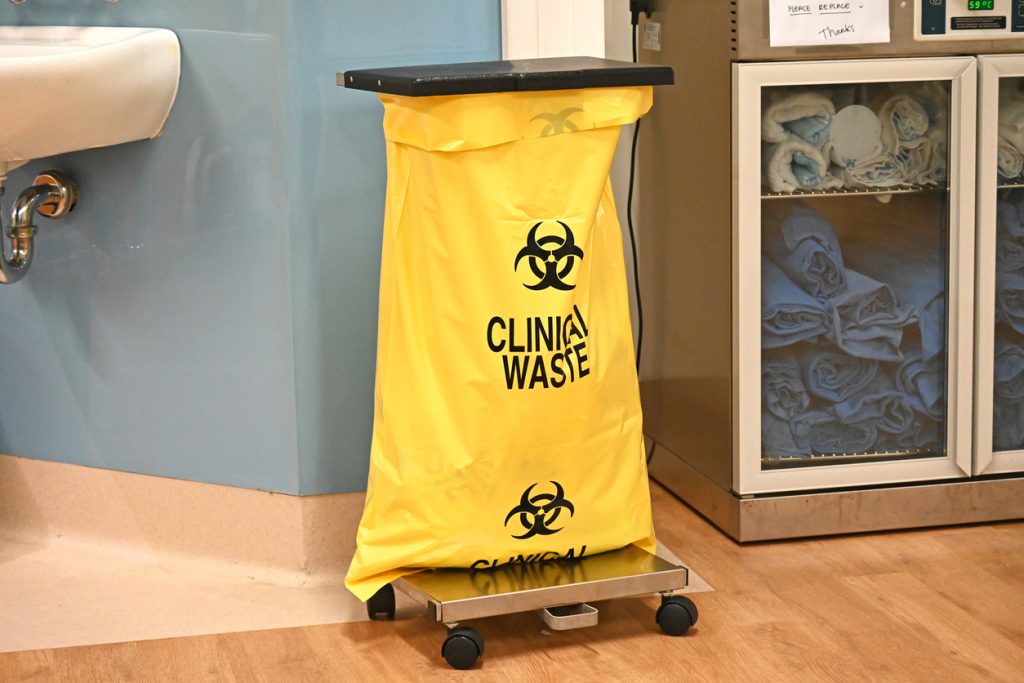
Clinical waste transport in Nigeria is not the same as moving regular parcels or office supplies. A carton of used gloves, syringes, blood-stained dressings, laboratory samples, expired medical products or contaminated materials needs careful handling from the moment it leaves a clinic, pharmacy, hospital ward or diagnostic centre.
For many healthcare businesses, the challenge is not only finding someone with a vehicle. The real issue is finding a transport partner that understands safe pickup, proper packaging, route planning, timing, documentation and the risks involved when medical waste is moved carelessly.
In busy cities like Lagos, Abuja, Port Harcourt, Ibadan, Enugu and Kano, clinical waste movement can become complicated because of traffic delays, poor road conditions, fuel disruptions and limited access to properly coordinated disposal points. That is why hospitals, laboratories and healthcare suppliers need a practical system, not a casual dispatch arrangement.
What Clinical Waste Usually Includes in Nigerian Healthcare Facilities
Clinical waste can come from many places, not just big hospitals. Small clinics, dental practices, laboratories, pharmacies, maternity homes, veterinary clinics and diagnostic centres all generate waste that must be handled properly.
Common examples include:
Used syringes and needles: These must be packed in puncture-resistant containers before movement.
Blood-stained materials: Items such as gauze, cotton wool, gloves, swabs and dressings need sealed packaging.
Laboratory waste: Sample containers, test kits, culture plates and contaminated lab items require controlled handling.
Expired medical products: Some medicines, vaccines and medical supplies need safe collection and movement for disposal.
Personal protective equipment: Used masks, gowns, gloves and aprons from clinical settings should not be transported like household waste.
The biggest mistake many facilities make is treating all waste the same. Once waste has possible infection risk, sharp objects, chemical residue or biological contamination, it needs a more careful logistics process.
Why Regular Dispatch Riders Are Not Enough for Clinical Waste
A bike rider may be useful for documents or small parcels, but clinical waste transport in Nigeria requires more than speed. The driver or pickup team must understand that the package should not be opened, mixed with food items, thrown into general cargo space or delayed unnecessarily.
A poor transport arrangement can create problems such as:
Waste leaking during movement
Sharp objects injuring handlers
Contaminated items mixing with regular goods
Missed pickup schedules at hospitals or labs
Unclear handover between facility and disposal point
Reputational risk for the healthcare provider
For example, a laboratory in Ikeja sending waste toward a disposal facility outside the main business district cannot afford careless handling during rush-hour traffic. The waste must be sealed, labelled where necessary and moved using a planned route that reduces unnecessary stops.
How Clinical Waste Pickup Should Be Planned
Good planning starts before the vehicle arrives. Healthcare facilities should know what type of waste is being moved, how much there is, where it is going and who will receive it.
A practical pickup process should include:
Clear collection time: Hospitals and labs should avoid leaving waste waiting outside for too long.
Proper packaging: Waste should be bagged, sealed or containerized based on the type of material.
Safe loading: Items should be handled carefully and kept separate from regular cargo.
Route planning: The driver should understand the fastest practical route, not just follow a random map.
Delivery confirmation: The receiving point should confirm handover once the waste arrives.
In Lagos, for instance, moving waste from Lekki Phase 1 to a disposal point on the mainland may require different timing depending on traffic around Ozumba Mbadiwe, Third Mainland Bridge, Ikorodu Road or Apapa-linked routes. A planned morning pickup may work better than waiting until peak closing hours.
What Healthcare Businesses Should Check Before Booking Transport
Before arranging clinical waste movement, a healthcare business should ask practical questions. These questions help avoid delays, safety risks and poor accountability.
Ask about packaging requirements: Some waste may need special bags, boxes or sharps containers before pickup.
Confirm the pickup address clearly: Hospital compounds can be large, so the pickup point should be specific.
Share the waste type honestly: Do not describe clinical waste as ordinary goods just to reduce transport cost.
Check the delivery destination: The disposal or receiving facility should be ready before the vehicle leaves.
Agree on timing: Same-day movement may be possible in some cities, but it depends on distance, traffic and waste volume.
Keep records: For business and compliance reasons, facilities should document what was collected and where it was delivered.
A small clinic in Surulere may only need scheduled pickups a few times a week, while a diagnostic centre in Victoria Island or a hospital in Abuja may need more frequent movement depending on patient volume.
Typical Situations Where Clinical Waste Transport Is Needed
Clinical waste transport in Nigeria is useful for many healthcare and related businesses.
Hospitals and clinics: Regular pickup of used medical materials, contaminated items and treatment waste.
Laboratories: Movement of lab-generated waste after testing, sample processing or research activity.
Pharmacies and medical suppliers: Transport of expired, damaged or recalled medical products.
Dental centres: Safe movement of sharps, gloves, swabs and used clinical materials.
Health outreach teams: Waste collection after medical missions, vaccination drives or mobile clinic operations.
Corporate health providers: Pickup from workplace clinics, staff medical centres or industrial health units.
In some cases, healthcare providers may also need related logistics support, such as medical deliveries, document delivery, courier services, airport pickup for medical teams, hotel reservations for visiting specialists or vehicle hire for health outreach projects. These should be arranged separately from clinical waste movement to avoid mixing sensitive waste with normal transport needs.
How Travo.ng Supports Safer Medical Waste Movement
Travo.ng helps healthcare businesses coordinate clinical waste transport in Nigeria with a practical focus on safe pickup, reliable movement and proper delivery support. The service is useful for clinics, hospitals, labs, pharmacies, medical suppliers and health organizations that need a more organized alternative to casual transport arrangements.
Instead of struggling to find a random driver each time waste needs to move, businesses can schedule transport support based on location, waste type, pickup timing and destination. This is especially helpful for facilities that operate in busy areas like Ikeja, Lekki, Victoria Island, Abuja city centre, Port Harcourt, Ibadan and other high-demand locations.
Travo.ng can also support related logistics needs where appropriate, including courier services, delivery coordination, cargo logistics, vehicle hire and transport planning for healthcare operations. The goal is to make movement easier, safer and more accountable for organizations that cannot afford careless handling.
A Simple Checklist Before You Schedule Pickup
Before booking clinical waste transport, prepare the following:
Waste type: Identify whether it includes sharps, contaminated materials, expired products or lab waste.
Estimated quantity: Know whether it is a small pickup, multiple sealed bags or larger scheduled movement.
Pickup location: Provide the full address and exact pickup point within the facility.
Destination: Confirm the disposal, treatment or receiving facility.
Preferred time: Choose a realistic pickup window based on traffic and facility operations.
Contact person: Assign someone who can hand over the waste and confirm collection.
This saves time and reduces confusion when the transport team arrives.
Book Clinical Waste Transport in Nigeria With Better Control
Clinical waste should never be treated like ordinary cargo. Whether it is moving from a small clinic, a diagnostic lab, a pharmacy or a major hospital, the process needs planning, safe handling and dependable coordination.
For healthcare businesses that want a more reliable way to manage clinical waste transport in Nigeria, Travo.ng provides practical logistics support that fits local operating conditions. From scheduled pickup to careful movement and delivery coordination, Travo.ng helps medical and health-related businesses move sensitive waste with more confidence.
To arrange clinical waste transport, contact Travo.ng with your pickup location, waste type, quantity and destination so the right transport support can be scheduled.
