


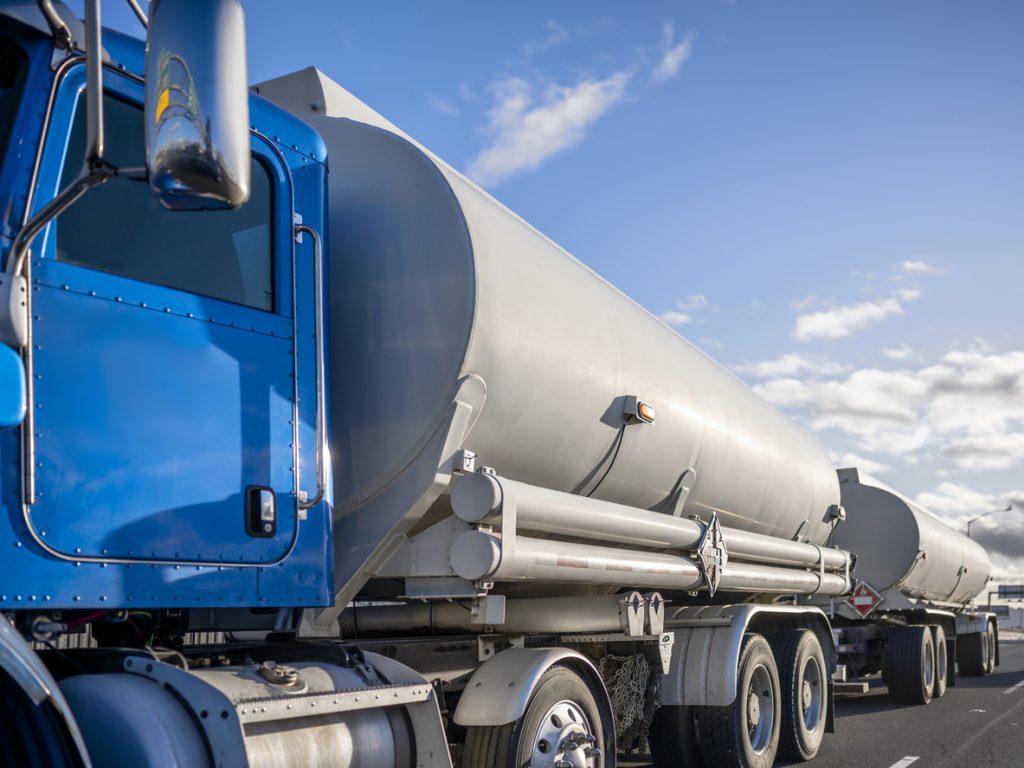
Owning trucks is only half the business. The real difference between a struggling fleet and a profitable one is how well the vehicles are optimised for performance. Many truck owners in Nigeria operate busy fleets, but still deal with low margins, frequent breakdowns, and inconsistent cash flow simply because the system running the trucks is not efficient.
Fleet optimisation services for truck owners focus on improving how trucks are used, maintained, routed, and coordinated so that every trip delivers maximum value with minimal waste.
In practical terms, it is about making sure no truck is underused, no fuel is wasted, no route is inefficient, and no opportunity for cargo movement is missed.
What fleet optimisation services actually mean
Fleet optimisation is the process of improving the efficiency and profitability of a truck fleet using structured systems and data-driven decision-making.
It includes:
- Improving truck utilisation rates
- Reducing fuel consumption and operational waste
- Optimising delivery routes and schedules
- Balancing workload across vehicles
- Improving maintenance timing and cost control
- Increasing revenue per truck per trip
In simple terms, it ensures every truck performs at its highest possible efficiency.
Why fleet optimisation is necessary for truck owners
Without optimisation, fleets often operate below potential even when demand is strong.
Common issues include:
- Trucks spending too much time idle
- Poor route planning leading to higher fuel costs
- Uneven workload distribution across the fleet
- Frequent breakdowns due to reactive maintenance
- Low visibility into profitability per truck
- Missed cargo opportunities due to poor coordination
These inefficiencies quietly reduce overall profit margins.
Core components of fleet optimisation services
1. Vehicle utilisation improvement
The first goal is to ensure trucks are always working.
This involves:
- Reducing idle time between trips
- Assigning consistent cargo flow per truck
- Ensuring balanced deployment across routes
- Avoiding unnecessary downtime in the yard
A well-optimised fleet keeps vehicles active and earning.
2. Route optimisation and delivery efficiency
Routes directly affect both cost and delivery speed.
Optimisation includes:
- Selecting shorter and more efficient transport corridors
- Avoiding traffic-heavy routes where possible
- Planning deliveries around peak congestion times
- Reducing fuel burn through smarter routing decisions
For example, Lagos port deliveries require timing adjustments due to Apapa congestion patterns.
3. Fuel efficiency optimisation
Fuel is one of the biggest operational expenses in trucking.
Fleet optimisation focuses on:
- Monitoring fuel consumption per trip
- Identifying inefficient driving behaviour
- Reducing fuel wastage and leakage
- Encouraging fuel-efficient driving practices
- Comparing expected vs actual fuel usage
Even small fuel savings significantly improve profit margins.
4. Preventive maintenance optimisation
Instead of reacting to breakdowns, fleets are maintained proactively.
This includes:
- Scheduling maintenance before failures occur
- Monitoring engine health and performance trends
- Planning tire and brake replacements in advance
- Reducing unexpected downtime
- Extending vehicle lifespan
Preventive maintenance reduces long-term costs.
5. Cargo flow and demand optimisation
A truck only makes money when it is moving goods.
Optimisation ensures:
- Continuous cargo availability
- Matching trucks to high-demand routes
- Reducing empty return trips
- Building stable logistics pipelines
- Improving coordination with shippers and clients
This stabilises revenue generation.
6. Driver performance optimisation
Drivers significantly affect fleet efficiency.
This includes:
- Monitoring driving habits and discipline
- Training drivers on fuel-efficient practices
- Assigning drivers based on performance
- Reducing delays caused by poor behaviour
- Improving accountability systems
Better drivers lead to better fleet performance.
7. Financial and performance analytics
Optimisation depends on accurate data.
Management tracks:
- Revenue per truck
- Cost per kilometre
- Fuel-to-revenue ratio
- Maintenance cost per vehicle
- Profit per route and per trip
This data helps identify inefficiencies quickly.
How fleet optimisation improves profitability
When properly implemented, optimisation leads to:
- Higher truck utilisation rates
- Lower fuel and maintenance costs
- Faster and more reliable deliveries
- Improved driver accountability
- Reduced downtime across the fleet
- More predictable cash flow
The fleet becomes a structured and highly efficient business system.
Challenges truck owners face without optimisation
Many fleets struggle because:
- Operations are managed manually without systems
- There is no real-time visibility into truck performance
- Fuel usage is not properly tracked
- Maintenance is reactive instead of preventive
- Cargo sourcing is inconsistent
- Drivers operate without structured accountability
These issues reduce efficiency even when demand is high.
Fleet optimisation challenges in Nigeria
Truck operations in Nigeria add extra complexity:
- Traffic congestion in Lagos and major cities
- Port delays at Apapa and Tin Can Island
- Fuel price fluctuations affecting planning
- Poor road conditions on interstate routes
- Security concerns on long-distance haulage
- Seasonal fluctuations in cargo demand
These realities make optimisation even more important.
Technology used in fleet optimisation services
Modern optimisation relies on:
- GPS tracking for real-time visibility
- AI-based route planning tools
- Fuel analytics dashboards
- Predictive maintenance systems
- Digital dispatch platforms
- Performance reporting software
Technology helps reduce guesswork and improve decision-making.
Where logistics coordination fits into fleet optimisation
Even optimised fleets depend on external logistics systems.
This includes:
- Cargo booking and freight forwarding
- Warehouse coordination
- Port clearance and distribution logistics
- Intercity delivery scheduling
Delays in logistics coordination can still affect even the most optimised fleet.
How Travo.ng supports logistics coordination
While fleet optimisation services focus on improving internal truck performance, logistics coordination ensures smooth movement of goods across the entire supply chain.
Travo.ng supports logistics operations through:
- Cargo consolidation and freight coordination
- Intercity and interstate delivery services
- Port-to-destination logistics support
- Supply chain coordination across Nigeria
- End-to-end logistics execution for cargo movement
This helps reduce delays that affect fleet efficiency and revenue performance.
Final thoughts
Fleet optimisation services for truck owners are essential for turning a standard fleet into a high-performance logistics system. Without optimisation, trucks often operate below capacity, waste fuel, and generate inconsistent returns.
With the right systems in place, every truck becomes more productive, every route becomes more efficient, and every trip contributes meaningfully to profit.
In modern logistics, success is not about having more trucks—it is about getting the most value out of every single truck you already own.
