


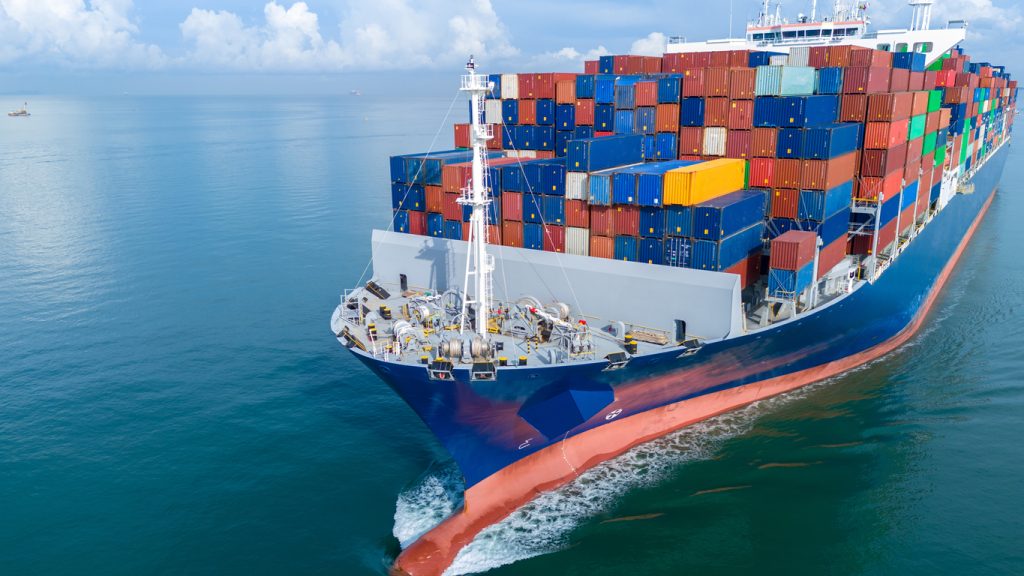
Cargo abandoned at a Nigerian port refers to imported goods that remain unclaimed at terminals such as Apapa Port, Tin Can Island Port, and Lekki Deep Sea Port beyond the allowed storage period. The Nigeria Customs Service (NCS) and port operators may eventually treat such goods as abandoned and take enforcement action.
In simple terms, it means cargo was imported but never cleared or picked up by the owner.
What Is Abandoned Cargo?
Cargo is considered abandoned when:
- It remains uncleared after a long period
- Importer fails to pay duties or charges
- Documentation issues are not resolved
- The consignee does not claim the goods
- Storage or demurrage costs become too high
Common Reasons for Cargo Abandonment in Nigeria
1. High Port Charges
- Demurrage and storage fees increase over time
- Importers may be unable to pay accumulated costs
2. Customs or Regulatory Issues
- Cargo placed on hold or seizure
- Missing SON or NAFDAC approvals
- Documentation inconsistencies
3. Financial Constraints
- Importer lacks funds to clear goods
- Business cash flow problems
4. Incorrect or Poor Planning
- Over-importation without market demand
- Wrong product selection
5. Disputes or Legal Issues
- Supplier disputes
- Customs valuation disagreements
- IP or counterfeit investigations
What Happens to Abandoned Cargo in Nigeria
1. Extended Storage at Port
Cargo continues to accumulate:
- Storage charges
- Demurrage fees
- Terminal handling costs
2. Customs Takeover
After a defined period, Customs may:
- Declare goods abandoned
- Assume control of the cargo
3. Auction of Goods
Abandoned cargo may be:
- Auctioned by the government
- Sold to recover outstanding charges
4. Destruction of Goods
If goods are unsafe or illegal:
- They may be destroyed
- Especially counterfeit or hazardous items
5. Revenue Recovery Actions
Authorities may use proceeds to offset:
- Customs duties
- Port charges
- Penalties
Risks of Cargo Abandonment
1. Financial Loss
- Loss of goods value
- Accumulated port charges
2. Legal and Regulatory Issues
- Possible enforcement actions
- Blacklisting of importer
3. Business Reputation Damage
- Loss of credibility with suppliers and agents
4. Supply Chain Disruption
- Delays in inventory and distribution planning
Can Abandoned Cargo Be Recovered?
Yes, in some cases, but it depends on:
1. Time Frame
- Early intervention improves recovery chances
2. Customs Status
- If not yet auctioned or destroyed
3. Payment of Charges
- Duties, demurrage, and penalties must be settled
4. Compliance Status
- Must meet regulatory requirements (SON, NAFDAC, etc.)
Steps to Recover Abandoned Cargo
1. Contact the Terminal or Customs Office
Confirm cargo status and location.
2. Verify Outstanding Charges
- Demurrage
- Storage fees
- Customs duties
3. Resolve Documentation Issues
Correct:
- Invoice
- Bill of lading
- Import declaration
4. Obtain Regulatory Approvals
If required, secure clearance from:
- SON
- NAFDAC
5. Apply for Release
Submit formal request through a licensed clearing agent.
How to Prevent Cargo Abandonment
1. Plan Imports Properly
Ensure demand and funding are available before importing.
2. Use Accurate Documentation
Avoid delays caused by errors or mismatches.
3. Monitor Shipment Timelines
Track cargo from arrival to clearance.
4. Work With Clearing Agents
Professionals help avoid delays and penalties.
5. Manage Port Charges Early
Clear goods before demurrage becomes excessive.
Role of Logistics in Preventing Cargo Abandonment
Efficient logistics reduces the risk of cargo being left at ports by ensuring timely clearance, movement, and delivery.
Travo.ng supports businesses through:
- Cargo pickup from Apapa, Tin Can, and Lekki ports
- Nationwide transportation services
- Interstate logistics coordination
- Commercial cargo delivery
- Distribution support for businesses
- Last-mile delivery solutions
Strong logistics planning helps ensure cargo is cleared and delivered on time.
Final Insight
Cargo abandonment at Nigerian ports is usually caused by financial, documentation, or regulatory challenges. Once cargo remains uncleared for too long, it may be auctioned or destroyed by authorities. Importers who act quickly, maintain proper documentation, and use experienced logistics support can avoid abandonment and reduce financial losses.
