


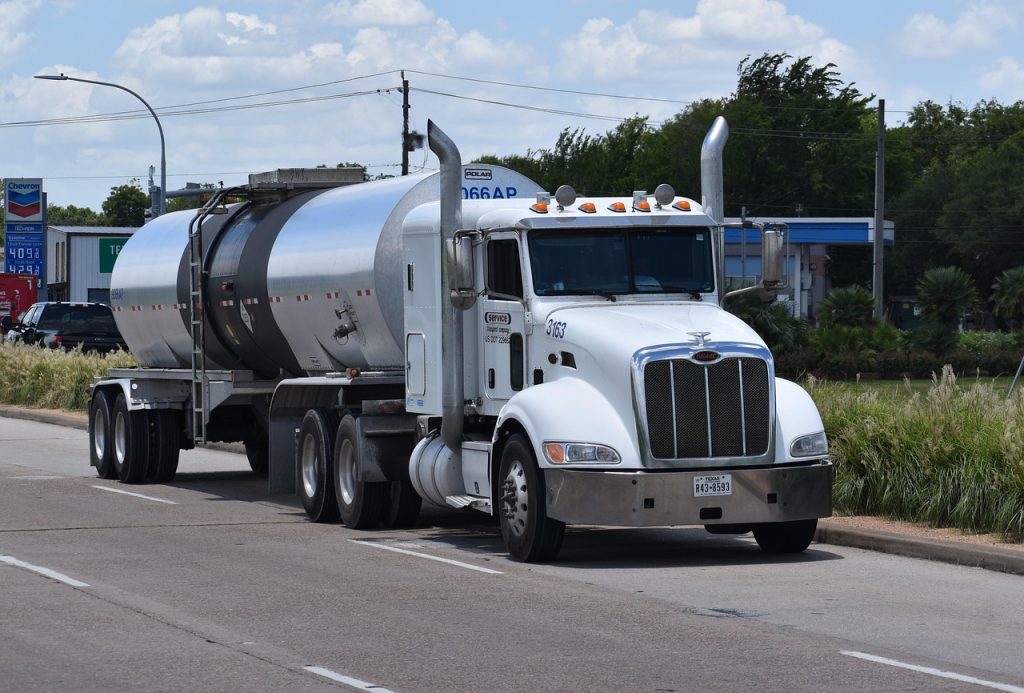
Owning commercial trucks is one thing; turning them into consistent income-generating assets is another. Many truck owners in Nigeria start with strong expectations, but quickly discover that fuel costs, driver issues, breakdowns, and poor scheduling can quietly eat into profits.
A commercial truck asset management company exists to solve this exact problem. Instead of leaving trucks idle or poorly coordinated, these companies manage the entire asset lifecycle—ensuring every truck is working, earning, maintained, and properly accounted for.
In practical terms, they turn truck ownership from a stressful operation into a structured logistics investment.
What a commercial truck asset management company actually does
A commercial truck asset management company oversees the operational and financial performance of trucks on behalf of the owner.
Core responsibilities include:
- Truck deployment and dispatch coordination
- Driver recruitment, training, and supervision
- Fuel tracking and cost control systems
- Preventive maintenance and repair scheduling
- Cargo sourcing and logistics coordination
- Route optimisation and delivery planning
- Financial reporting and profitability tracking
The goal is simple: ensure every truck produces consistent, measurable returns.
Why truck asset management companies are needed
Truck ownership without structured management often leads to unpredictable performance.
Common issues include:
- Trucks spending too much time idle
- High fuel wastage and untracked consumption
- Frequent breakdowns from poor maintenance
- Driver misconduct or inefficiency
- Missed delivery deadlines and penalties
- Poor visibility into actual profitability
Many owners only realise the true cost of inefficiency after months of losses.
How commercial truck asset management works in practice
1. Asset onboarding and fleet structuring
The process begins with understanding the fleet:
- Number of trucks and specifications
- Load capacity and usage type
- Condition and maintenance history
- Operational routes and deployment potential
This helps build a structured operational plan.
2. Driver management and operational control
Drivers are a critical part of truck performance.
Management includes:
- Recruitment of verified commercial drivers
- Training on safety and fuel efficiency
- Trip assignment and supervision
- Salary, incentives, and compliance tracking
- Behaviour monitoring and accountability systems
Well-managed drivers directly improve asset performance.
3. Dispatch and logistics coordination
Trucks must always have planned work to avoid downtime.
This includes:
- Matching trucks to available cargo
- Coordinating pickup and delivery schedules
- Managing customer logistics requests
- Planning efficient routes for each trip
- Reducing empty return trips where possible
A well-coordinated fleet rarely sits idle.
4. Fuel management and cost control systems
Fuel is one of the biggest operational costs in trucking.
Companies manage this through:
- Fuel consumption tracking per truck
- Monitoring driver fuel usage behaviour
- Detecting irregular consumption patterns
- Optimising fuel-efficient routes
- Setting fuel budgets per trip
Even small savings per trip scale significantly across a fleet.
5. Maintenance and breakdown prevention
Truck downtime directly reduces revenue.
Management ensures:
- Routine servicing schedules
- Engine diagnostics and performance checks
- Tire and brake system monitoring
- Rapid breakdown response coordination
- Spare parts planning and sourcing
Preventive maintenance is always cheaper than emergency repairs.
6. Route optimisation and delivery efficiency
Route planning affects both cost and delivery speed.
Companies focus on:
- Selecting efficient interstate routes
- Avoiding high-traffic congestion zones
- Planning delivery timing for port and warehouse access
- Reducing fuel burn through shorter travel paths
For example, Lagos–Apapa port deliveries often require timing precision to avoid long queues.
7. Financial reporting and asset performance tracking
Owners need visibility into how their trucks perform.
Reports typically include:
- Revenue per truck per trip
- Fuel cost per kilometre
- Maintenance and repair expenses
- Net profit per vehicle
- Overall fleet ROI analysis
This ensures transparency and accountability.
What makes a truck asset management company valuable
The real value is not just in operations, but in structured profitability.
Key benefits include:
- Higher truck utilisation rates
- Reduced operational waste
- Better fuel efficiency and control
- Improved driver accountability
- Fewer breakdowns and downtime
- Predictable income from logistics operations
A well-managed fleet behaves like a stable business instead of a reactive operation.
Challenges in commercial truck operations in Nigeria
Truck operations in Nigeria come with unique realities:
- Traffic congestion in Lagos and major cities
- Highway wear and tear affecting vehicle lifespan
- Fuel price fluctuations
- Port delays at Apapa and Tin Can Island
- Security risks on interstate routes
- Unpredictable loading schedules
These challenges make professional management even more important for profitability.
Risks of operating trucks without asset management
Without structured oversight, truck owners often experience:
- Hidden fuel losses and inefficiencies
- Poor vehicle utilisation and idle assets
- Frequent and costly breakdowns
- Driver-related operational losses
- Inconsistent cash flow from logistics jobs
- Reduced return on investment over time
The trucks remain assets on paper but underperform in reality.
How asset management improves profitability
When properly executed, commercial truck asset management delivers:
- Consistent cargo flow and reduced downtime
- Lower fuel and maintenance costs
- Improved route efficiency
- Better driver discipline and performance
- Higher fleet utilisation rates
- Stronger and more predictable ROI
The fleet becomes a structured logistics business with measurable output.
Technology used in truck asset management
Modern companies rely on:
- GPS tracking systems for real-time monitoring
- Digital dispatch and logistics platforms
- Fuel analytics dashboards
- Predictive maintenance systems
- Fleet performance reporting tools
These systems reduce inefficiency and improve decision-making accuracy.
Where logistics coordination fits into truck asset management
Even well-managed fleets depend on external logistics systems.
This includes:
- Cargo booking and freight forwarding
- Warehouse and inventory coordination
- Port clearance and distribution logistics
- Inter-state delivery scheduling
Delays in logistics directly affect truck utilisation and profitability.
How Travo.ng supports logistics and asset coordination
While commercial truck asset management focuses on operational control and asset performance, logistics coordination ensures smooth movement of goods across supply chains.
Travo.ng supports logistics operations through:
- Cargo consolidation and freight coordination
- Intercity and interstate delivery services
- Port-to-destination logistics support
- Supply chain coordination across Nigeria
- End-to-end logistics execution for cargo movement
This helps reduce delays that impact fleet efficiency and revenue generation.
Final thoughts
A commercial truck asset management company plays a critical role in turning trucks into reliable income-generating assets. Without structured management, vehicles often underperform due to inefficiency, poor coordination, and uncontrolled costs.
With proper systems in place, truck owners gain visibility, control, and consistent profitability across their fleets.
In today’s logistics environment, success is not just about owning trucks—it is about how well those trucks are managed, deployed, and optimised for performance.
