


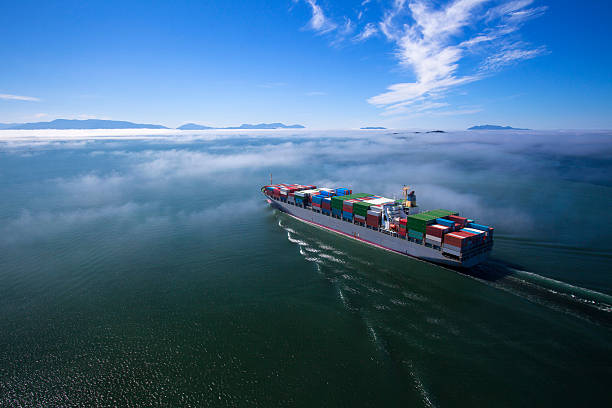
Shipping from Nigeria to Brisbane is not the kind of logistics job you handle casually or “just send at the post office.” Anyone who has tried moving personal effects, business cargo, or relocation goods from Lagos or Abuja to Australia knows it involves planning, documentation, timing, and choosing the right freight method.
In most cases, the process starts in Lagos—either from Apapa ports for sea freight or via international air cargo hubs like Murtala Muhammed International Airport. From there, goods usually pass through transit hubs in Dubai, Doha, or Singapore before arriving in Brisbane.
This is where having a structured logistics partner matters. Platforms like Travo.ng help coordinate the messy parts—pickup, packaging guidance, freight booking, and final delivery coordination on the Australia side.
What It Actually Costs to Ship Goods from Nigeria to Brisbane
The cost of Nigeria to Brisbane shipping is not fixed—it depends heavily on weight, volume, and urgency.
Here’s what people typically experience:
- Small boxes (10–20kg): usually sent by air freight, faster but more expensive per kg
- Medium cargo (50–200kg): mixed consolidation air freight
- Full container loads: sea freight, used by importers and relocating families
On average:
- Air freight can range from ₦12,000 – ₦25,000 per kg depending on routing
- Sea freight is cheaper per unit but takes significantly longer and requires container consolidation
Most delays or overpaying happen when people don’t properly classify their cargo before booking.
Air Freight vs Sea Freight to Brisbane: What Actually Works
Air freight (fast but expensive)
Air shipping is the preferred option for urgent items—documents, electronics, fashion inventory, or fragile goods.
Typical route:
Lagos → Doha/Dubai → Sydney → Brisbane
Delivery time: 5–10 days (if customs is smooth)
The downside is cost. But for businesses trying to restock or meet deadlines in Australia, it often saves money indirectly by avoiding stockouts.
Sea freight (slower but cost-efficient)
Sea freight leaves from Apapa Port in Lagos and usually arrives in Brisbane via major international transshipment ports.
Timeline: 30–60 days depending on vessel schedules and customs clearance
It’s ideal for:
- Household relocation
- Bulk commercial goods
- Non-urgent shipments
The Mistakes People Make When Shipping from Nigeria to Australia
There are a few recurring issues that cause delays or extra charges:
- Poor packaging that gets flagged during inspection
- Undervaluing goods on shipping declarations
- Ignoring Australia’s strict biosecurity rules
- Using unverified freight handlers without tracking systems
- Mixing restricted items with general cargo
Australia is particularly strict with agricultural, food, wooden, and herbal products. A single mistake can result in quarantine delays or outright disposal of goods.
What Customs Clearance Looks Like in Brisbane
Once your cargo lands in Brisbane, it doesn’t go straight to your doorstep.
It goes through:
- Australian Border Force inspection
- Biosecurity screening (very strict)
- Duty and tax assessment if applicable
- Final release to local delivery partners
This is often where shipments get delayed—not in Nigeria, but at destination clearance.
That’s why coordinated documentation before shipping is critical.
Why Some Shipments Arrive Faster Than Others
Two people can ship from Lagos to Brisbane on the same day and still get completely different delivery timelines.
The difference usually comes down to:
- Proper documentation from the start
- Choice of airline or shipping line
- Whether cargo was consolidated or sent directly
- Efficiency of the logistics coordinator
Businesses that rely on consistent imports often use coordinated logistics platforms like Travo.ng to manage this process more predictably, especially for repeat shipments.
How Nigerians Are Handling Nigeria to Brisbane Shipping Today
A growing number of individuals and SMEs now treat international shipping as a structured service, not a one-off transaction.
Common use cases include:
- Students relocating to Australia sending personal effects
- Nigerian businesses exporting fashion and beauty products
- Families moving household goods in stages
- Entrepreneurs fulfilling orders to Australian customers
Instead of handling everything separately (airline, packaging, pickup, customs agent), many now coordinate through integrated logistics services that simplify the chain.
Practical Tips Before You Ship Anything to Brisbane
Before booking your shipment, a few things make a big difference:
- Weigh and measure your cargo properly before quoting
- Ask about restricted items for Australia early
- Decide between urgency and cost before choosing air or sea
- Keep documentation clear and consistent
- Use tracking-enabled shipping options only
Small preparation mistakes often lead to major delays later.
Coordinating Shipping, Pickup, and Delivery Without Stress
One of the biggest challenges in Nigeria to Brisbane shipping is not just sending the cargo—it’s coordination across multiple stages.
That includes:
- Pickup from your home or business in Lagos, Abuja, or Port Harcourt
- Proper packaging for long-distance transit
- Export documentation
- Airline or vessel booking
- Destination clearance and delivery in Brisbane
This is where integrated logistics support becomes useful. Services like Travo.ng help streamline travel-related logistics, cargo movement, and international booking coordination so users don’t have to manage multiple agents separately.
Internal Service Connections You Might Need
If you’re planning a shipment on this route, related services that usually come into play include:
- Airport pickup coordination for outgoing cargo
- International courier services for small parcels
- Cargo consolidation for cost reduction
- Travel booking support if you’re relocating personally
- Vehicle or relocation logistics for bulk moves
Shipping between Nigeria and Brisbane is absolutely doable—but it only becomes smooth when handled with the right structure, timing, and logistics coordination.
