


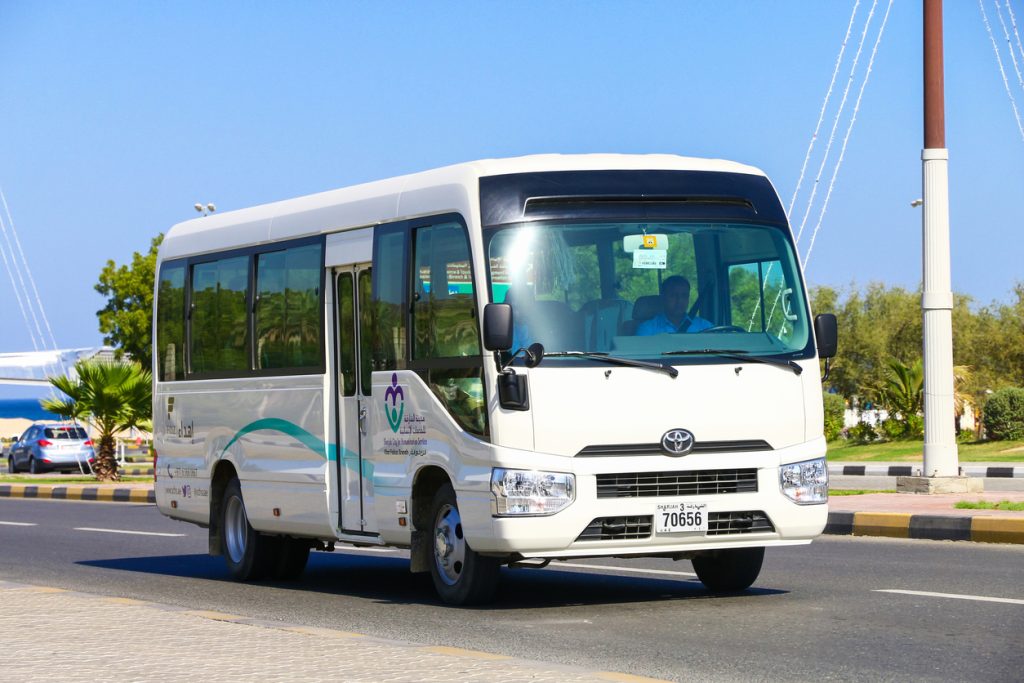
Intercity buses remain one of the most important ways Nigerians travel across the country.
Every day, thousands of passengers move between:
- Lagos and Abuja
- Lagos and Ibadan
- Port Harcourt and Enugu
- Benin and Warri
- Kano and Kaduna
using interstate bus transport for:
- Business trips
- Family visits
- School travel
- Relocation
- Commercial movement
Even with rising domestic flight options, many Nigerians still prefer intercity buses because they are:
- More affordable
- Widely available
- Flexible for luggage
- Accessible across multiple cities
But interstate road travel in Nigeria has changed significantly in recent years.
Passengers now care more about:
- Safety
- Comfort
- Departure reliability
- Air conditioning
- Online booking
- Driver professionalism
- Travel timing
This guide explains how intercity bus transport works in Nigeria, what routes are busiest, realistic fare expectations, and how travelers can avoid common interstate travel problems.
The Most Popular Intercity Bus Routes in Nigeria
Some interstate routes operate almost nonstop because of high passenger demand.
Lagos to Abuja
This remains one of the busiest long-distance road routes in Nigeria.
Travel time usually ranges between:
- 10 to 14 hours
depending on:
- Traffic
- Weather
- Security checks
- Road conditions
Most buses depart from:
- Jibowu
- Ajah
- Oshodi
- Berger
toward Abuja terminals in:
- Utako
- Gwagwalada
- Jabi
Lagos to Ibadan
This is one of the shortest and busiest intercity routes.
Travel usually takes:
- 2 to 4 hours
depending heavily on:
- Lagos traffic
- Berger congestion
- Weekend movement
This route is heavily used by:
- Students
- Workers
- Traders
- Business travelers
because many people now live between both cities.
Port Harcourt to Enugu
This route supports strong commercial and family movement within the South East and South South.
Travel time usually ranges between:
- 5 to 7 hours
depending on road conditions and traffic around Aba.
Benin to Lagos
A major commercial route connecting Edo State to Lagos business activity.
Travel often takes:
- 5 to 8 hours
depending on:
- Ore traffic
- Holiday movement
- Weather conditions
What Intercity Bus Prices Usually Cost
Transport fares in Nigeria change regularly because of:
- Fuel prices
- Seasonal demand
- Road conditions
- Vehicle type
Typical interstate fares currently range roughly from:
- ₦5,000 to ₦40,000+
depending on:
- Distance
- Luxury level
- Bus operator
- Travel season
For example:
- Lagos to Ibadan is far cheaper than Lagos to Abuja
- Luxury buses cost more than standard interstate buses
- Holiday travel periods usually increase pricing significantly
The Main Types of Interstate Buses in Nigeria
Standard Passenger Buses
These are the most common interstate buses operating nationwide.
They are usually cheaper and heavily used for:
- Short-distance movement
- Budget travel
- Daily passenger transport
Executive and Luxury Buses
Luxury operators increasingly offer:
- Air conditioning
- Better seating
- Online booking
- Fewer passengers
- More comfortable long-distance travel
These buses are commonly used on:
- Lagos to Abuja
- Lagos to Port Harcourt
- Abuja to Kano
routes.
Popular luxury operators include:
- God Is Good Motors (GIGM)
- ABC Transport
- GUO Transport
- Libra Motors
- Chisco Transport
Why Nigerians Still Prefer Road Travel
Despite domestic flights, many passengers still choose buses because:
- Airports are expensive
- Buses allow more luggage
- Many destinations lack nearby airports
- Road travel remains cheaper
For relocation and family movement especially, buses often provide more flexibility.
This is particularly true for:
- Students
- Traders
- Interstate workers
- Families traveling with luggage
Lagos Traffic Still Affects Most Bus Schedules
One reality passengers quickly learn is that interstate travel timing depends heavily on Lagos traffic.
Movement around:
- Jibowu
- Berger
- Oshodi
- Mile 2
- Ajah
can delay departures significantly.
Experienced travelers often:
- Choose early morning departures
- Avoid Friday evening travel
- Travel outside holiday rush periods
because traffic alone can add several hours to interstate journeys.
Common Problems Travelers Face With Interstate Buses
Delayed Departures
Some operators wait until buses fill up before departure.
Poor Vehicle Maintenance
Older buses may experience:
- Breakdowns
- Poor air conditioning
- Uncomfortable seating
Last-Minute Fare Increases
Prices often rise suddenly during:
- Holidays
- Fuel scarcity
- Peak travel periods
Overloading
Some operators still overload luggage compartments or passenger seating.
Online Booking Is Improving Interstate Travel
More transport companies now support:
- Online ticket booking
- Digital seat selection
- Mobile payment
- Departure tracking
Passengers increasingly prefer booking ahead because:
- It reduces terminal stress
- Helps secure preferred seats
- Improves travel planning
Platforms like Travo.ng help travelers coordinate:
- Interstate transport
- Vehicle hire
- Airport pickups
- Hotel reservations
- Group travel logistics
especially for customers moving between multiple Nigerian cities.
Group Travel and Corporate Transport Are Growing
Businesses increasingly use intercity transport for:
- Staff movement
- Corporate retreats
- Interstate operations
- Event logistics
Large groups often prefer:
- Bus charter services
- Executive shuttle coordination
- Scheduled interstate movement
instead of relying on public transport individually.
This is especially common for:
- Schools
- Religious organisations
- Construction companies
- Corporate teams
Safety Matters More Than Ever
Passengers now pay closer attention to:
- Driver professionalism
- Night travel safety
- Bus maintenance
- Company reputation
Experienced travelers often prefer established operators with:
- Structured terminals
- Reliable schedules
- Better fleet maintenance
- Customer support systems
instead of informal roadside transport operators.
Interstate Bus Travel Will Continue Growing
Despite changes in aviation and ride-hailing services, intercity buses remain critical to:
- Commercial movement
- Family travel
- Student transportation
- Interstate business operations
As transport companies continue improving:
- Online booking
- Fleet quality
- Passenger comfort
- Logistics coordination
interstate road travel across Nigeria will likely become more organised and reliable over time.
For millions of Nigerians, intercity buses are still the backbone of affordable nationwide transportation.
