


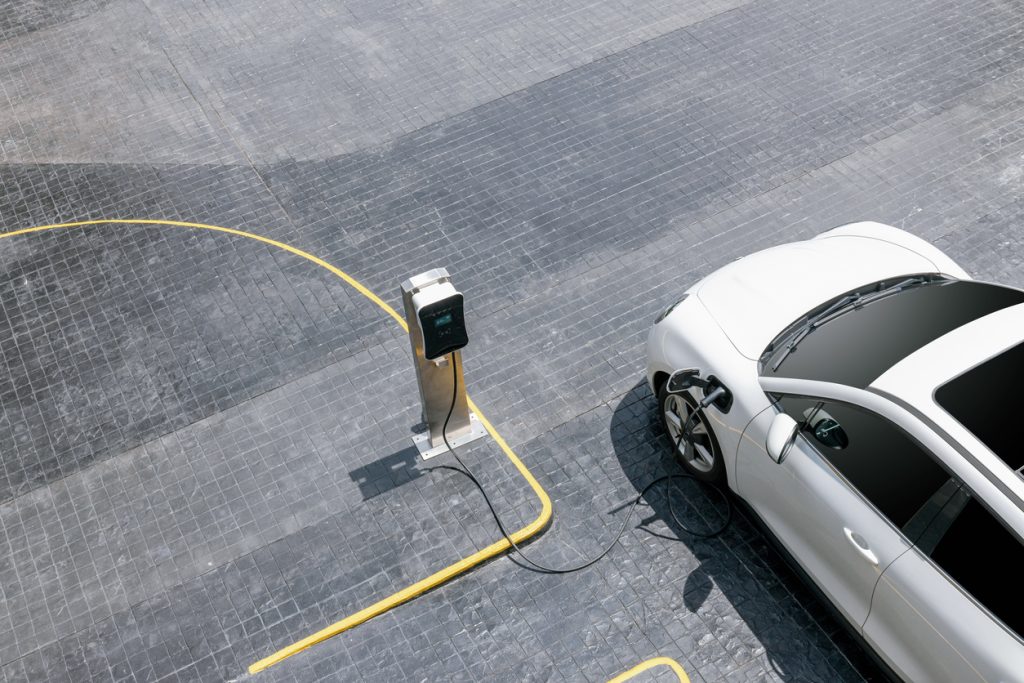
Green mobility in Africa is gradually changing how people and businesses approach transportation. With rising fuel costs, increasing urban traffic, and growing concerns about air pollution, African cities are exploring cleaner and more efficient ways to move people and goods.
In Nigeria, transportation remains heavily dependent on petrol and diesel vehicles. From commercial buses in Lagos to delivery vans in Abuja, fuel expenses directly affect transport fares, logistics charges, and business operating costs.
However, adopting greener transportation does not necessarily mean replacing every vehicle with an electric car. Better route planning, shared transportation, efficient delivery systems, and alternative energy vehicles can also reduce fuel consumption.
For businesses and travellers, the challenge is finding practical transport solutions that balance affordability, convenience, and environmental responsibility.
How Green Mobility in Africa Is Changing Urban Transport
Major African cities face similar transportation challenges, including congestion, vehicle emissions, unreliable public transport, and expensive fuel.
Lagos provides a clear example. A delivery vehicle travelling between Ikeja and Victoria Island may spend several hours navigating traffic, particularly during morning and evening rush periods.
Longer journeys increase fuel consumption, delay deliveries, and raise operating expenses.
Green mobility initiatives aim to address these challenges through improved public transportation, electric vehicles, cleaner fuels, and better traffic management.
Countries such as Kenya, Rwanda, and South Africa are also developing electric mobility solutions, particularly for motorcycles, buses, and urban transportation.
For Nigeria, successful adoption will depend on electricity availability, charging infrastructure, vehicle affordability, and maintenance support.
Reducing Fuel Consumption Through Smarter Logistics
Businesses do not need expensive electric fleets to begin improving transport efficiency.
A company handling daily deliveries across Lagos can reduce unnecessary journeys by grouping orders according to location.
For example, instead of sending three separate vehicles to Lekki, Ajah, and Victoria Island, a logistics provider can coordinate deliveries using suitable vehicles and planned routes.
Practical improvements include:
- Combining deliveries heading towards nearby destinations.
- Scheduling dispatches outside peak traffic periods where possible.
- Maintaining vehicles to prevent excessive fuel consumption.
- Selecting appropriate vehicle sizes for different cargo loads.
- Reducing empty return journeys through better coordination.
These adjustments can lower operating costs while supporting cleaner transportation.
For businesses managing regular deliveries, Travo.ng offers logistics coordination and delivery services that can help organise transportation more efficiently.
Electric Vehicles and the Reality of Nigerian Roads
Electric vehicles are attracting attention across Africa, but Nigerian road conditions introduce practical considerations.
Electric cars and motorcycles can reduce exhaust emissions during operation. However, purchase prices, charging access, battery replacement costs, and electricity reliability remain important concerns.
An electric delivery motorcycle operating within a defined Lagos neighbourhood may be easier to manage than an electric truck travelling between Lagos and Abuja.
Short urban routes offer more predictable distances and charging requirements.
Businesses considering electric vehicles should calculate daily mileage, charging time, maintenance availability, and total ownership costs before investing.
Making Everyday Travel More Sustainable
Green mobility also involves making better transportation choices.
A company arranging airport pickups for several employees arriving at Murtala Muhammed International Airport can consider coordinated group transportation instead of multiple individual vehicles.
Similarly, families travelling together can hire one appropriately sized vehicle rather than arranging separate cars.
Travo.ng supports travel planning, airport pickups, and vehicle hire arrangements, helping customers coordinate journeys according to their actual transportation needs.
Building a More Efficient Transport Future in Africa
The future of green mobility in Africa will depend on practical improvements that businesses and travellers can afford.
Electric transportation, improved public transit, shared journeys, and efficient logistics all have roles to play.
For Nigerian businesses, starting with better delivery planning and transport coordination can produce immediate operational improvements without requiring major fleet investments.
Travo.ng helps individuals and businesses organise travel, vehicle hire, and logistics services across Nigeria, supporting smarter transportation decisions as the country gradually moves towards more sustainable mobility.
Is this conversation helpful so far?
