


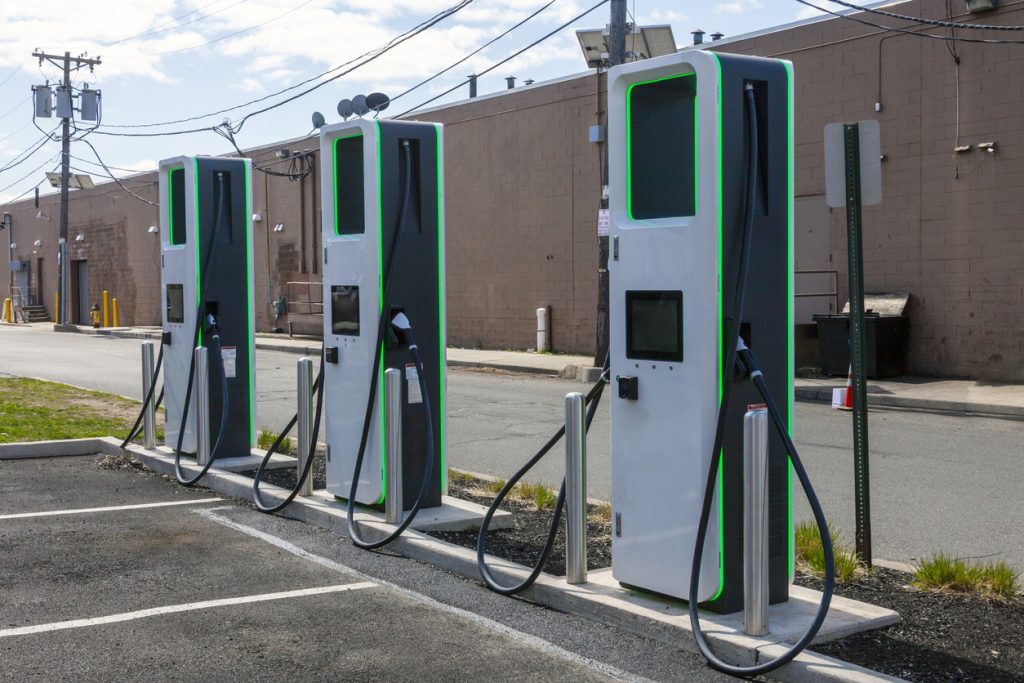
Electric vehicles are gradually becoming more visible on Nigerian roads, especially in Lagos, Abuja, and Port Harcourt. However, finding convenient charging facilities remains a concern for many EV owners. Installing an EV wall charger in Nigeria offers a practical way to charge electric cars at home, offices, hotels, and commercial properties without depending entirely on public charging stations.
For Nigerians considering electric mobility, understanding installation requirements, electricity supply, and charging costs can help prevent expensive mistakes.
Choosing the Right EV Wall Charger in Nigeria
Not every electric vehicle requires the same charging equipment. Before purchasing a wall-mounted charger, confirm your vehicle’s charging connector, onboard charging capacity, and electrical requirements.
Common charging options include:
- 3.7kW chargers: Suitable for smaller charging needs and properties with limited electrical capacity.
- 7kW chargers: Popular for residential charging where the electrical installation can support them.
- 11kW chargers: Suitable for compatible vehicles and properties with three-phase electricity.
- 22kW chargers: Designed for higher-capacity installations, although actual charging speed depends on the vehicle.
A 7kW charger can theoretically deliver approximately 28kWh in four hours before charging losses, making overnight charging convenient for many drivers.
What Does EV Wall Charger Installation Cost in Nigeria?
Installation expenses depend on charger capacity, equipment quality, electrical wiring, and property conditions.
For budgeting purposes, homeowners should request separate quotations covering the charging unit, electrical protection, cables, installation labour, and testing.
A property in Lekki with suitable electrical infrastructure may require less modification than an older building in Surulere with outdated wiring.
Additional expenses may arise when upgrading distribution boards, installing dedicated circuits, or increasing available electrical capacity.
Always request an inspection from a qualified electrician experienced with EV charging equipment before accepting an installation quotation.
Managing Electricity Supply During EV Charging
Nigeria’s inconsistent electricity supply makes power planning particularly important.
An EV wall charger requires sufficient electrical capacity, stable connections, and appropriate circuit protection.
Homeowners using generators or solar installations should confirm whether their systems can safely support the charger’s power requirements.
For example, running a 7kW charger alongside air conditioners and other household appliances could overload an undersized electrical system.
Smart chargers with adjustable charging currents can help manage electricity demand.
Where possible, schedule charging during periods of reliable electricity availability.
Installing EV Chargers at Offices and Commercial Properties
Businesses introducing electric vehicles into their operations should consider charging access before expanding their fleets.
Hotels, corporate offices, residential estates, and transport operators may benefit from dedicated charging spaces.
Important planning considerations include:
- Available electrical capacity
- Parking space accessibility
- Charging schedules
- Equipment security
- Maintenance arrangements
- Electricity consumption monitoring
For companies managing electric delivery vehicles, charging schedules should also account for daily routes, vehicle availability, and delivery commitments.
Planning Electric Vehicle Operations With Travo.ng
Installing an EV wall charger in Nigeria is only one part of operating an electric vehicle efficiently.
Businesses must also consider vehicle movement, charging downtime, route planning, and operational reliability.
Travo.ng supports transport coordination, vehicle hire arrangements, and business logistics planning across Nigeria.
For organisations exploring electric mobility, these services can support wider transport operations while charging infrastructure is being developed.
Before purchasing charging equipment, confirm vehicle compatibility, assess your electricity supply, and obtain a professional installation quotation.
A properly selected and installed wall charger can make everyday electric vehicle ownership more convenient, predictable, and manageable in Nigeria.
Is this conversation helpful so far?
