


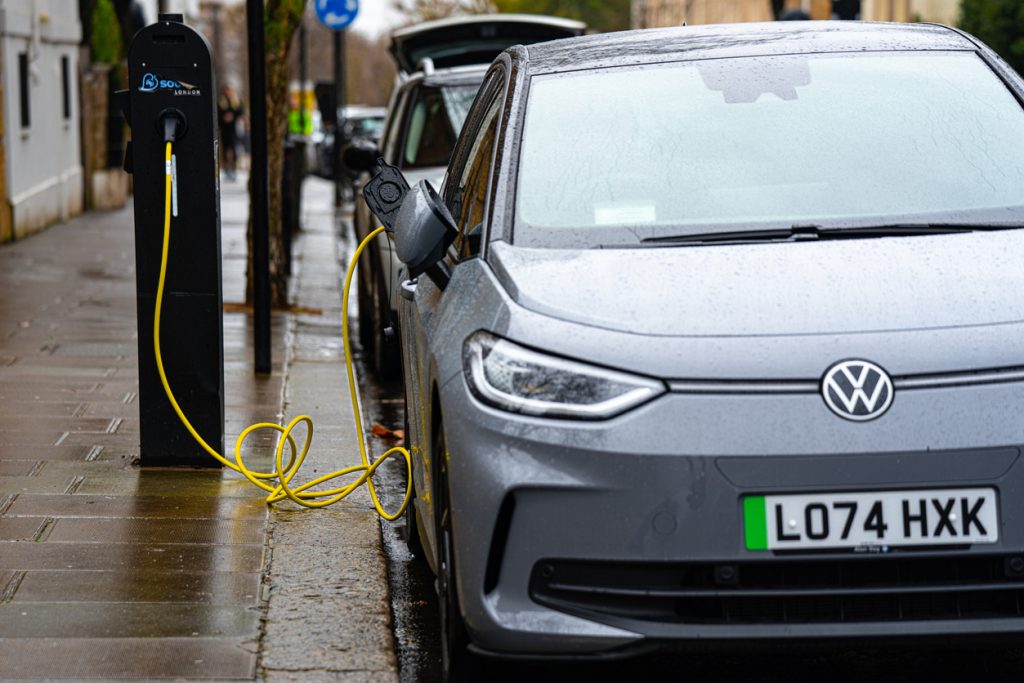
More Nigerian companies are beginning to look beyond petrol and diesel vehicles when planning staff movement, executive transport, deliveries, and daily business operations. Searching for an electric car for company use Nigeria is no longer limited to large technology firms or multinational companies. Businesses dealing with rising fuel costs, frequent vehicle use, and fleet management expenses are also considering electric vehicles.
The important question is not simply whether an electric vehicle looks modern. A company needs to know whether the vehicle can handle its daily routes, where it will be charged, who will drive it, and whether the operating cost makes sense.
For businesses in Lagos, Abuja, and other major cities, Travo.ng can support corporate vehicle hire and transport coordination based on actual operational needs.
Where Electric Cars Make the Most Sense for Nigerian Companies
Electric vehicles are especially practical when a company operates predictable daily routes.
Consider a business with an office in Victoria Island whose administrative team regularly travels between Lekki, Ikoyi, Marina, and Ikeja. If the vehicle returns to the office or another fixed location each evening, charging can be planned around that routine.
Typical company uses include:
- Executive and management transportation
- Staff movement between offices
- Client pickups
- Airport transfers
- Corporate errands
- Sales visits within a city
- Light business deliveries
A company whose vehicles regularly travel hundreds of kilometres into areas without dependable charging facilities will need a different transport strategy.
Check Your Daily Mileage Before Choosing an EV
One mistake businesses make is choosing a vehicle before studying how their existing fleet is actually used.
Review your normal routes for at least a few weeks.
For example, a company vehicle travelling from Lekki Phase 1 to Victoria Island, then to Ikeja and back to Lekki may cover roughly 70 to 100 kilometres depending on the exact stops and traffic diversions.
That is very different from a vehicle expected to travel Lagos to Ibadan, return to Lagos and still handle several local assignments the same day.
Before arranging an electric car for company use in Nigeria, check:
- Average kilometres travelled each day
- Longest regular journey
- Number of daily trips
- Where the vehicle stays overnight
- Available charging arrangements
- Passenger and luggage requirements
These details help determine whether an EV is genuinely suitable rather than simply attractive on paper.
Charging Arrangements Can Decide Whether the Plan Works
Charging is one of the most important operational considerations.
For many businesses, workplace charging provides the simplest solution. A vehicle arriving back at the office around 6 p.m. can charge overnight and be ready for the next working day.
Companies operating from commercial buildings should confirm whether charging equipment can be installed and whether the property’s electrical capacity is adequate.
Power reliability also matters. Some businesses combine grid electricity with solar, inverter systems, or other backup arrangements.
If the vehicle frequently changes location overnight, charging becomes more complicated and should be planned before the company commits to regular EV use.
Electric Vehicle Costs Should Be Compared With Total Fleet Expenses
The purchase or hire price should not be considered alone.
A petrol company vehicle may appear cheaper initially but creates continuing expenses for fuel, engine oil, servicing, filters, and other mechanical maintenance.
An electric vehicle removes some of these routine engine-related costs, although tyres, suspension components, air-conditioning systems, insurance, charging electricity, and general maintenance still need budgeting.
Businesses should compare the total monthly operating cost of both options rather than focusing only on the initial vehicle price.
Corporate Vehicle Hire Can Reduce the Commitment
Not every company needs to purchase an EV immediately.
Hiring or arranging a vehicle for a defined period can help a business understand how electric transport works within its normal operations before making a bigger fleet decision.
Travo.ng can assist companies with vehicle hire, chauffeur arrangements, executive transport, airport pickups, staff movement, and wider corporate transport coordination.
This can be especially useful for businesses that need additional vehicles for projects, conferences, visiting executives, temporary staff movements, or scheduled corporate assignments.
Plan the Vehicle Around the Work It Will Actually Do
An electric car can be a practical company vehicle in Nigeria, but the decision should begin with operations rather than trends.
Study the routes. Calculate the mileage. Confirm charging. Consider passenger capacity and determine how the vehicle will be used during busy periods.
For companies seeking an electric car for company use Nigeria, Travo.ng can help coordinate suitable corporate vehicle and transport solutions while taking real movement requirements into account.
A well-planned company vehicle should do more than reduce fuel use. It should reliably get staff, executives, clients, or business items where they need to be without creating new operational problems.
