


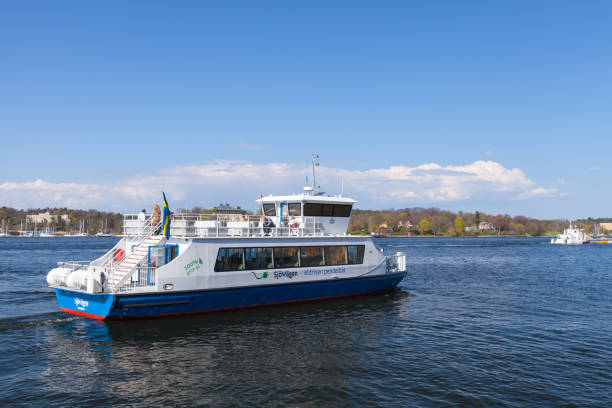
Carevton electric water transport refers to the growing use of electric-powered vessels as a cleaner alternative for passenger and commercial movement across Nigeria’s waterways. Electric marine transportation can reduce reliance on conventional marine fuels while supporting quieter and more environmentally responsible operations.
What Is Electric Water Transport?
Electric water transport uses vessels powered by electric motors and onboard batteries rather than conventional petrol or diesel propulsion.
Electric boats and ferries can be suitable for routes where vessels make regular journeys and have access to appropriate charging infrastructure.
Key advantages can include:
- Reduced direct emissions
- Lower fuel consumption
- Quieter vessel operation
- Reduced local air pollution
- Greater energy efficiency
- Reduced dependence on fossil fuels
Carevton Group and Electric Marine Transport
Carevton Group operates in the marine and aviation sectors and is associated with specialised transportation and support services.
For businesses considering electric marine transportation, the suitability of an electric vessel depends on factors such as route distance, passenger capacity, battery range, charging availability, water conditions and frequency of operation.
The availability of a specific Carevton electric vessel or service should be confirmed before making a transportation arrangement.
Electric Water Transport in Nigeria
Nigeria’s extensive network of rivers, lagoons, creeks and coastal waterways provides opportunities for electric marine transportation.
Electric vessels can be particularly suitable for regular passenger routes where charging facilities are available at terminals or operational bases.
Potential applications include:
- Passenger transportation
- Corporate commuting
- Waterfront transfers
- Tourist transportation
- Harbour services
- Private vessel charter
- Marine logistics
- Offshore support
Benefits of Electric Water Transportation
Lower Direct Emissions
Electric vessels produce no direct exhaust emissions while operating. The total environmental impact still depends partly on how the electricity used for charging is generated.
Quieter Journeys
Electric motors generally operate more quietly than conventional marine engines, which can improve passenger comfort and reduce noise around waterfront areas.
Reduced Fuel Dependence
Electric propulsion eliminates the need to burn petrol or diesel for the vessel’s direct propulsion, helping reduce dependence on conventional marine fuels.
Potential Operating Efficiency
Electric propulsion may provide energy and maintenance advantages, although actual savings depend on electricity costs, battery technology, charging infrastructure and vessel utilisation.
Carevton Electric Water Transport for Commuters
Electric boats and ferries can provide a cleaner transportation option for workers, students and residents travelling around waterways.
Regular commuter services can benefit from predictable schedules and strategically positioned charging facilities.
Where waterways provide a practical alternative to congested roads, electric water transport can also contribute to more diversified urban mobility.
Electric Water Transport for Businesses
Businesses operating near coastal and waterfront locations may require marine transportation for employees, contractors, equipment or project personnel.
An electric vessel can be considered when the route, passenger capacity and charging infrastructure are suitable for the intended operation.
Industries that may benefit from marine transportation include:
- Oil and gas
- Construction
- Maritime
- Energy
- Logistics
- Tourism
- Offshore services
Carevton Electric Vessel Charter
Where an appropriate electric vessel is available, businesses and organisations may require a dedicated charter for corporate transportation, events or specialised marine activities.
A charter request may require information about:
- Departure location.
- Destination.
- Travel date.
- Number of passengers.
- Required departure time.
- Vessel capacity.
- Expected operating duration.
- Charging requirements.
- Cargo or baggage.
- Return transportation.
Electric Water Transport Infrastructure
Electric vessels require suitable infrastructure to operate reliably.
Important requirements can include:
- Charging stations
- Reliable electricity supply
- Battery management systems
- Maintenance facilities
- Suitable ferry terminals
- Emergency systems
- Appropriate route planning
Charging time and battery range are particularly important for high-frequency services.
Electric Water Transport Safety
Electric propulsion does not remove the need for standard marine safety procedures.
Before travelling, operators should consider vessel capacity, weather conditions, waterway conditions, charging arrangements, emergency procedures and safety equipment.
Passengers should also follow the instructions provided by the vessel operator throughout the journey.
How Travo.ng Can Help
Travo.ng can help coordinate electric water transportation, marine transfers and sustainable mobility arrangements where suitable vessels and operators are available.
Customers can provide their departure location, destination, travel date, passenger numbers and preferred schedule to help identify an appropriate transportation option.
Plan Your Carevton Electric Water Transport Journey
Electric water transportation has the potential to become an important part of Nigeria’s transition towards cleaner marine mobility. Electric vessels can provide quieter operations, reduce direct emissions and offer an alternative to conventional fuel-powered boats on suitable routes.
For Carevton-related electric marine transportation requirements, customers should confirm the specific vessel, route, availability, charging arrangements and operating schedule before making travel plans.
Travo.ng can help coordinate electric water transportation and marine mobility arrangements in Nigeria based on your route, passenger numbers, schedule and transportation requirements.
