


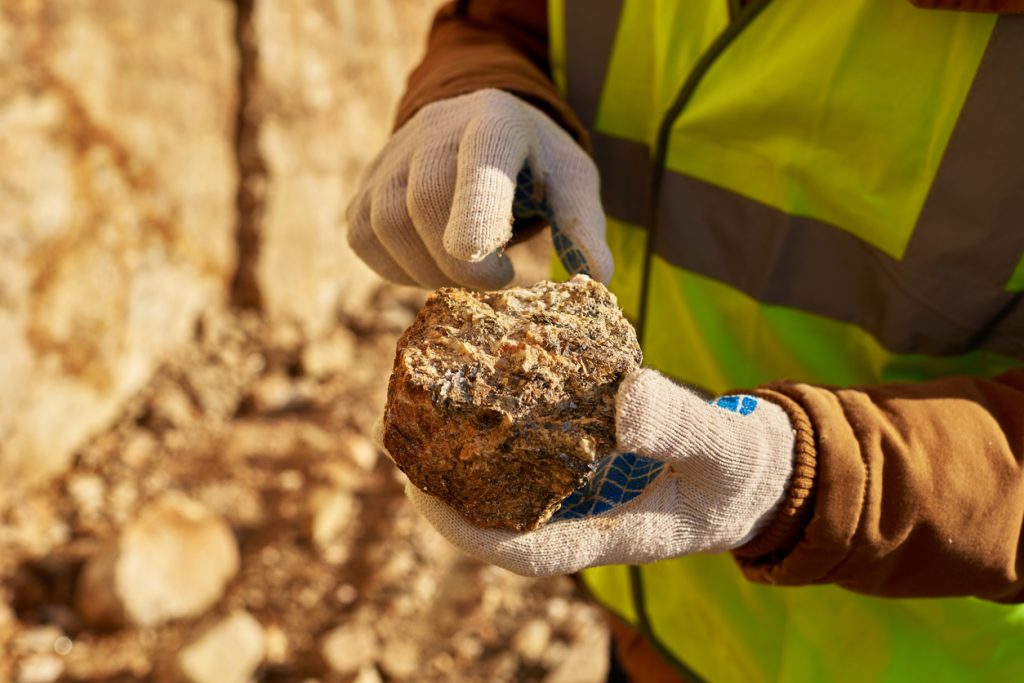
When people search for mineral moisture and purity testing, they are usually trying to solve a very specific export problem — how to confirm that bulk minerals like lithium, lead ore, zinc, tin, or manganese contain the correct level of valuable content and are not carrying excess water or impurities that could reduce their market value.
In mineral trade, two things determine pricing and acceptance more than anything else: moisture content and purity level. If either is wrong, the entire shipment value can change significantly after testing at destination.
What mineral moisture and purity testing actually means
Mineral moisture and purity testing is the scientific analysis of bulk mineral samples to determine:
- How much water (moisture) the material contains
- The actual percentage of valuable mineral content (purity or grade)
- The level of impurities or contaminants present
These results help buyers and exporters agree on the real commercial value of a shipment.
Why moisture content matters in mineral trade
Moisture is one of the most important cost factors in bulk mineral exports.
High moisture levels can lead to:
- Reduced payable weight after drying adjustments
- Lower pricing from buyers
- Cargo rejection at destination ports
- Increased shipping inefficiency
- Disputes over final settlement
In many contracts, buyers only pay for dry weight, not wet weight.
How moisture testing is carried out
Moisture content is tested using standard laboratory procedures.
Common methods include:
1. Oven drying method
A sample is heated until all moisture is removed, then reweighed.
2. Moisture balance testing
Electronic equipment measures moisture loss quickly.
3. Field moisture checks
Quick on-site assessments before transport or packaging.
The result is expressed as a percentage of total weight.
What mineral purity means in trade
Purity refers to the actual concentration of the valuable mineral within a sample.
For example:
- Lead ore may contain varying percentages of lead content
- Lithium ore may vary in lithium concentration
- Zinc ore is valued based on zinc percentage
Higher purity generally means higher market value.
Why purity testing is critical for pricing
Buyers determine price based on verified grade.
If purity is lower than expected:
- The shipment value decreases
- Contract terms may be renegotiated
- Payment may be adjusted after lab results
- Buyer trust may be affected
If purity is higher, exporters may gain better pricing or repeat business.
How purity testing is conducted
Purity analysis is carried out in certified laboratories using:
- Chemical analysis
- Spectrometry techniques
- Assay testing
- X-ray fluorescence (XRF)
- Wet chemical methods
The results show exact mineral composition percentages.
The relationship between moisture and purity
Moisture and purity are connected in determining final payable value.
For example:
- High moisture reduces net payable weight
- Low purity reduces price per ton
- Combined results determine final invoice value
This is why both tests are often conducted together.
Common problems caused by poor testing
Without proper moisture and purity testing, exporters may face:
- Payment disputes after shipment
- Lower-than-expected settlement values
- Cargo rejection at destination ports
- Contract disagreements with buyers
- Loss of repeat trade opportunities
In many cases, disputes arise not from fraud but from inaccurate or missing data.
When moisture and purity testing should be done
Testing is most effective when carried out at multiple stages:
- At stockpile stage before transport
- During sampling at loading points
- Before packaging into FIBC bags or containers
- Prior to export documentation submission
- Before vessel loading
Early testing allows corrective actions if needed.
Why independent testing is preferred in mineral trade
Many international buyers require third-party verification because it ensures neutrality.
Independent testing helps:
- Build trust between buyer and seller
- Prevent disputes over quality claims
- Support transparent pricing agreements
- Validate export documentation
- Strengthen long-term trade relationships
For high-value minerals, independent lab results are often mandatory.
How testing affects export logistics
Moisture and purity results influence:
- Packaging requirements
- Container loading decisions
- Truck scheduling
- Port handling operations
- Customs documentation accuracy
Accurate results help ensure smoother logistics planning.
Common mistakes exporters make
Many exporters experience problems due to:
- Skipping moisture testing before shipment
- Relying only on visual inspection
- Using unverified laboratory results
- Mixing mineral grades before testing
- Poor sampling methods
These mistakes often lead to costly disputes later.
How Travo.ng supports mineral testing and export logistics
For mineral exporters in Nigeria, Travo.ng helps coordinate the logistics and movement side of moisture and purity testing processes.
Support may include:
- Coordination of mineral movement for sampling and lab testing
- Logistics planning for stockpile-to-testing workflows
- Support for export preparation and documentation flow
- Coordination with inspection and verification activities
- Port delivery and shipment scheduling
- End-to-end mineral export logistics coordination
By connecting testing activities with transport and export operations, Travo.ng helps exporters reduce delays, improve accuracy, and move cargo more efficiently.
