


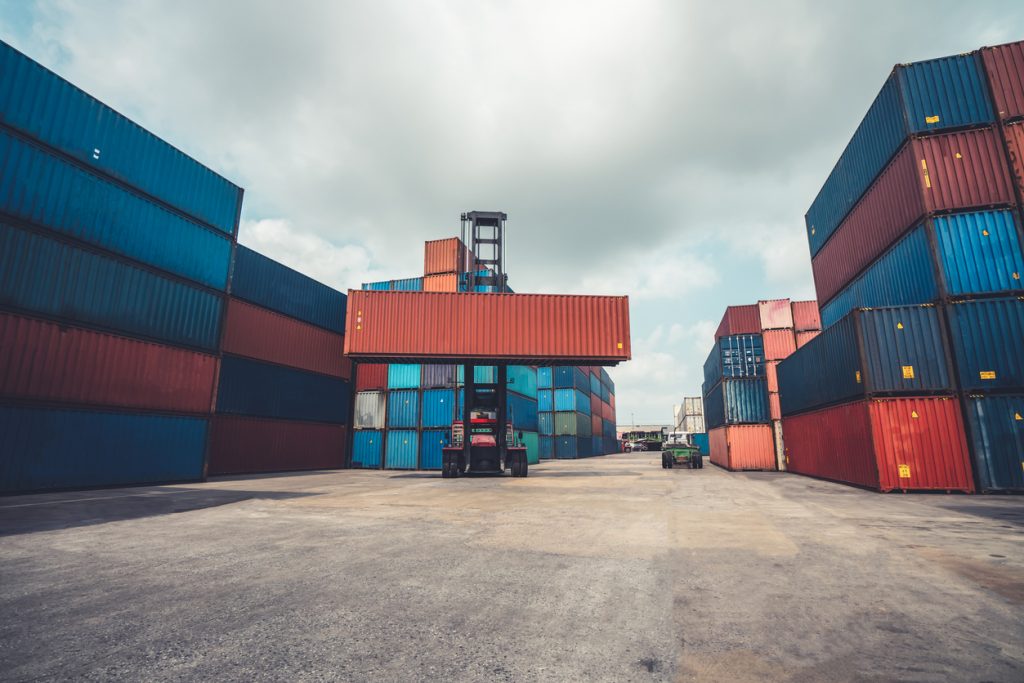
Recovering abandoned cargo in Nigeria refers to the process of reclaiming imported goods that have been left uncleared at ports such as Apapa Port, Tin Can Island Port, or Lekki Deep Sea Port under the supervision of the Nigeria Customs Service (NCS) and terminal operators.
In simple terms, it means getting your goods back after they were left too long at the port without clearance.
What Is Abandoned Cargo in Nigeria?
Cargo is considered abandoned when:
- It remains uncleared after the allowed storage period
- Import duties or charges are unpaid
- Documentation issues are not resolved
- The importer fails to claim the goods
- Port charges become too high to continue clearance
Can Abandoned Cargo Be Recovered?
Yes, abandoned cargo can often be recovered if:
- It has not been auctioned or destroyed
- Customs still holds the cargo
- Outstanding charges are paid
- Regulatory requirements are fulfilled
However, timing is very important—delays reduce recovery chances.
Steps to Recover Abandoned Cargo in Nigeria
Step 1: Confirm Cargo Status
First, verify the status with:
- Terminal operator
- Nigeria Customs Service
- Licensed clearing agent
You need to know if the cargo is:
- Still available
- On hold
- Already marked for auction
Step 2: Identify All Outstanding Charges
You must calculate and settle:
- Demurrage charges
- Storage fees
- Terminal handling charges
- Customs duties
- Penalties (if any)
These costs usually increase the longer cargo remains unclaimed.
Step 3: Locate Required Documentation
Ensure all import documents are available and correct:
- Commercial invoice
- Packing list
- Bill of lading
- Customs declaration (Form M / PAAR where applicable)
If documents are missing or incorrect, they must be corrected.
Step 4: Resolve Customs or Regulatory Issues
If cargo was held due to compliance issues, you may need:
- SON certification (Standards Organisation of Nigeria)
- NAFDAC approval (for food, drugs, cosmetics)
- Correct HS code classification
Step 5: Apply for Cargo Revalidation
A formal request may be submitted through a clearing agent to:
- Reactivate the customs entry
- Reprocess clearance documentation
- Update cargo status
Step 6: Pay All Required Duties and Charges
To proceed with release, you must pay:
- Import duties
- Accrued port charges
- Any penalties imposed
Step 7: Obtain Customs Approval for Release
Once requirements are met:
- Customs reviews the case
- Approval for release is granted
- Cargo is cleared for pickup
Step 8: Arrange Immediate Cargo Pickup
After release:
- Transport must be arranged quickly
- Avoid additional storage or demurrage charges
Reasons Cargo Becomes Abandoned
1. High Port Charges
- Demurrage increases over time
- Importers cannot afford clearance
2. Documentation Problems
- Missing or incorrect paperwork
- Customs mismatch issues
3. Regulatory Delays
- Waiting for SON or NAFDAC approvals
- Inspection holds
4. Financial Constraints
- Importer runs out of funds
- Business cash flow issues
5. Poor Import Planning
- Over-importation
- No market demand for goods
Challenges in Cargo Recovery
1. High Accumulated Costs
Charges may exceed original expectations.
2. Time Sensitivity
Delay reduces chances of recovery.
3. Complex Clearance Process
Multiple agencies may be involved.
4. Risk of Auction
Cargo may be sold if not recovered quickly.
How to Prevent Cargo from Becoming Abandoned
1. Clear Goods Quickly
Avoid delays after shipment arrival.
2. Maintain Accurate Documentation
Ensure consistency in all import records.
3. Track Shipment Progress
Monitor cargo from arrival to clearance.
4. Work With Licensed Clearing Agents
Professionals reduce clearance risks.
5. Prepare Funds in Advance
Ensure you can pay duties and port charges.
Role of Logistics in Cargo Recovery
Efficient logistics helps speed up cargo release and reduce financial losses during recovery.
Travo.ng supports businesses through:
- Cargo pickup from Apapa, Tin Can, and Lekki ports
- Nationwide transportation services
- Interstate logistics coordination
- Commercial cargo delivery
- Distribution support for businesses
- Last-mile delivery solutions
Proper logistics planning ensures faster clearance and reduces abandonment risk.
Final Insight
Recovering abandoned cargo in Nigeria is possible but depends heavily on timing, documentation, and payment of outstanding charges. Importers who act quickly and work with experienced clearing and logistics professionals have a much higher chance of successfully retrieving their goods before auction or disposal.
