


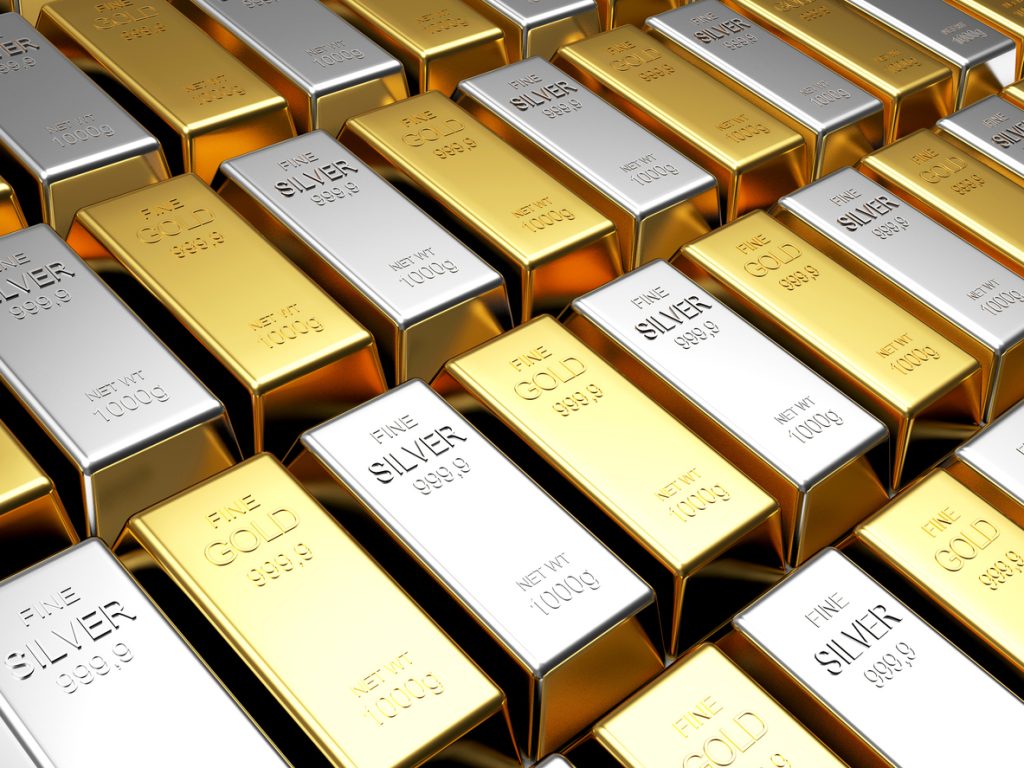
Lab testing for precious metals content is one of the most sensitive and financially important processes in mineral trading. Unlike bulk commodities where quality is judged in general grades, precious metals are valued based on precise purity levels, and even small measurement errors can translate into major financial differences.
For exporters and miners moving gold, silver, and other high-value ores through trade routes into Lagos, laboratory testing is the final authority that determines real market value, buyer confidence, and export approval.
Why precious metals testing is different from regular mineral analysis
Precious metals testing is not just about identifying what is present—it is about determining exact purity, concentration, and recoverable value.
It is critical because it:
- Determines final market pricing of the material
- Confirms authenticity of precious metals content
- Prevents fraud and misrepresentation in trade
- Supports export certification and customs clearance
- Provides confidence for international buyers and refiners
In this sector, even a 0.1% variation can significantly affect total shipment value.
What materials are commonly tested for precious metal content
Precious metal testing is applied to both raw ores and refined products.
Common materials include:
- Gold ore and dore bars
- Silver concentrates
- Platinum group metal ores
- Mixed metal concentrates
- Tailings with recoverable metal content
- Industrial scrap containing precious metals
Each material requires specific testing methods depending on its composition.
How lab testing for precious metals is carried out
The testing process is highly technical and must follow strict laboratory procedures to ensure accuracy.
Typical steps include:
- Representative sampling from ore or refined material
- Sample preparation (crushing, drying, homogenizing)
- Chemical or fire assay analysis
- Spectrometric or instrumental confirmation
- Calculation of metal concentration and purity levels
- Issuance of certified assay reports
Fire assay is one of the most widely used methods for gold and silver testing due to its high accuracy.
Why sampling accuracy is critical in precious metals testing
Because precious metals are often unevenly distributed within ores, sampling errors can lead to significant valuation mistakes.
Common sampling risks include:
- Taking samples from only surface material
- Missing high-grade or low-grade zones in ores
- Contamination during sample handling
- Inconsistent sample sizes
- Poor homogenization before testing
Accurate sampling ensures that lab results reflect the true value of the entire batch.
Common challenges in precious metal testing
Even with advanced laboratory systems, several challenges can affect test accuracy.
These include:
- Complex ore composition making analysis difficult
- Presence of interfering minerals
- Inconsistent sample quality
- Poor chain-of-custody documentation
- Delays between sampling and analysis
These issues can lead to disputes between buyers and exporters if not properly managed.
Why buyers insist on certified assay reports
In precious metals trading, buyers rarely rely on visual inspection or exporter declarations.
Certified assay reports are required because they:
- Provide verified metal content measurements
- Support fair pricing negotiations
- Reduce fraud risk in high-value transactions
- Serve as legal documentation in contracts
- Support customs and export approval processes
Without certified reports, most international buyers will not proceed with purchase agreements.
How precious metal content affects pricing
Pricing in precious metals trading is directly tied to purity and recoverable content.
Factors that influence value include:
- Gold or silver purity percentage
- Presence of impurities or base metals
- Recovery efficiency during refining
- Market benchmark prices (global metal markets)
- Laboratory-assessed grade and composition
Small differences in assay results can lead to large financial variations in bulk shipments.
The role of laboratory certification in export compliance
Lab testing is closely tied to export documentation and regulatory approval.
It supports:
- Export licensing and clearance
- Customs valuation and declaration
- Buyer contract validation
- Insurance and risk assessment
- Third-party inspection requirements
In many cases, shipment release depends on verified assay results.
Why disputes often occur in precious metals trading
Most disputes in this sector come from differences in test results or sampling interpretation.
Common causes include:
- Disagreement over sampling methods
- Multiple labs producing different results
- Poor chain-of-custody control
- Lack of independent verification
- Inconsistent preparation of samples
This is why standardized procedures are essential in high-value trades.
How exporters improve testing reliability
Experienced traders take strict measures to ensure accuracy and trust.
Best practices include:
- Using accredited laboratories
- Following standardized sampling protocols
- Maintaining sealed chain-of-custody samples
- Conducting duplicate or confirmatory testing
- Ensuring proper documentation at every stage
These steps reduce disputes and improve buyer confidence.
Why Lagos is important in precious metals export processing
In export operations through Lagos, laboratory testing often serves as the final checkpoint before shipment or sale confirmation.
At this stage, buyers and inspectors verify:
- Assay consistency with contract specifications
- Accuracy of reported purity levels
- Compliance with export documentation
- Alignment between physical cargo and test results
Any inconsistency can delay transactions or trigger re-evaluation.
How Travo.ng supports mineral testing and export logistics
Precious metals trading depends not only on laboratory accuracy but also on how efficiently samples and materials move between mining sites, warehouses, laboratories, and export points.
Travo.ng supports mineral exporters by helping coordinate:
- Transport of samples to accredited testing laboratories
- Movement of ores and concentrates between processing and storage sites
- Time-sensitive logistics aligned with assay and export schedules
- Coordination between inspection teams, labs, and export handlers
Efficient logistics help maintain sample integrity and reduce delays that can affect valuation and trade execution.
Why precious metals testing is essential for trust and valuation
Lab testing for precious metals content is not just a technical requirement—it is the foundation of trust in high-value mineral trade. It determines fair pricing, ensures transparency, and protects both buyers and sellers from disputes.
Exporters who invest in accurate testing systems and proper sampling procedures are better positioned to secure higher-value deals, reduce financial risk, and build long-term credibility in international markets.
