


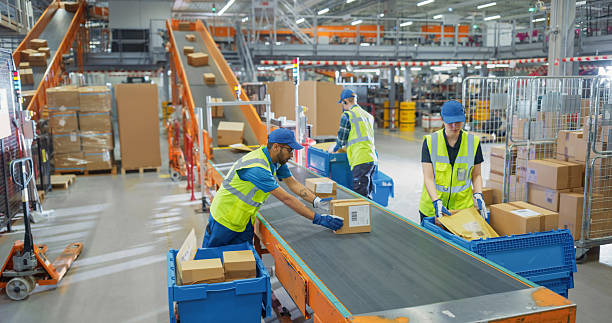
Understanding warehouse size in Nigeria is not just about square meters (sqm). In real logistics operations—especially in Lagos and industrial hubs—space is better measured by pallet positions, storage height, and handling flow efficiency.
Travo.ng supports businesses in selecting warehouses by matching storage capacity (sqm) to real operational demand (pallets, SKUs, and turnover speed) across Lagos, Ogun, and port corridors.
1. What Is the Difference Between SQM and Pallet Positions?
Square Meters (SQM)
This is the physical floor space of a warehouse:
- Length × width of the building
- Includes aisles, offices, and empty space
Pallet Positions
This is the actual usable storage capacity:
- 1 pallet position = 1 standard pallet stored (usually 1.0m × 1.2m)
- Depends on racking system + stacking height
👉 In logistics, pallet positions = real business capacity, not just space.
2. Basic Conversion Guide (Nigeria Warehouse Standard Estimate)
These are practical Lagos market estimates based on racking efficiency:
Without Racking (Floor Stacking Only)
- 1,000 sqm ≈ 400–600 pallet positions
- 2,000 sqm ≈ 800–1,200 pallet positions
- 5,000 sqm ≈ 2,000–3,000 pallet positions
Low efficiency due to wasted vertical space.
With Selective Racking System (Most Common in Lagos)
- 1,000 sqm ≈ 700–1,000 pallet positions
- 2,000 sqm ≈ 1,500–2,500 pallet positions
- 5,000 sqm ≈ 3,500–6,000 pallet positions
This is the standard for FMCG, importers, and 3PL warehouses.
High-Bay / Optimized Warehouses (Advanced Logistics)
- 1,000 sqm ≈ 1,200–1,800 pallet positions
- 2,000 sqm ≈ 2,500–4,000 pallet positions
- 5,000 sqm ≈ 6,000–10,000+ pallet positions
Used in:
- Lekki free zone warehouses
- Agbara industrial estates
- Sagamu logistics hubs
3. Warehouse Size Categories in Nigeria (Practical Guide)
Small Warehouse (100–500 sqm)
Best for:
- E-commerce sellers
- Small importers
- Retail storage
Capacity:
- ~80–300 pallets
Common areas:
- Ikeja, Lekki, Ogba, Ajao Estate
Medium Warehouse (500–2,000 sqm)
Best for:
- FMCG distributors
- Regional logistics hubs
- Growing import businesses
Capacity:
- ~400–2,500 pallets
Common areas:
- Ilupeju
- Isolo
- Amuwo Odofin
- Ojota
Large Warehouse (2,000–10,000 sqm)
Best for:
- Import consolidation
- National distribution centers
- Manufacturing + storage
Capacity:
- ~2,000–10,000+ pallets
Common areas:
- Apapa outskirts
- Agbara
- Sagamu
- Lekki industrial axis
4. Key Factors That Affect Pallet Capacity (Very Important)
1. Ceiling Height
- Low height (4–5m): limited stacking
- Medium (6–8m): standard racking
- High-bay (9–12m+): maximum efficiency
2. Aisle Width
- Wide aisles = easier truck movement but less storage
- Narrow aisles = more storage but requires specialized forklifts
3. Storage System Type
- Floor stacking → lowest efficiency
- Selective racking → balanced
- Drive-in racking → high density
- Automated systems → maximum efficiency
4. Product Type
- FMCG (fast-moving goods) → high turnover, medium density
- Electronics → careful stacking, lower density
- Bulk goods → pallet-heavy, high density
- Cold chain → specialized low-density storage
5. Real Lagos Example (Practical Understanding)
A 2,000 sqm warehouse in Lagos can mean very different things:
- Poor layout: ~800 pallets only
- Standard FMCG setup: ~1,800 pallets
- Optimized racking system: ~2,500+ pallets
👉 Same space, completely different business performance.
6. Why This Matters in Nigeria Logistics
Most businesses in Lagos make a common mistake:
- They rent based on sqm only
- But operations depend on pallet flow + speed
This leads to:
- Overstocking issues
- Truck congestion inside warehouse
- Slow dispatch times
- Increased handling cost
7. How Travo.ng Helps Businesses Choose the Right Warehouse Size
Travo.ng helps companies by:
- Matching sqm requirements to pallet demand
- Designing warehouse layout for efficiency
- Connecting businesses to FMCG, e-commerce, and industrial-grade warehouses
- Coordinating storage + fleet + distribution planning
- Reducing wasted space and logistics cost
