


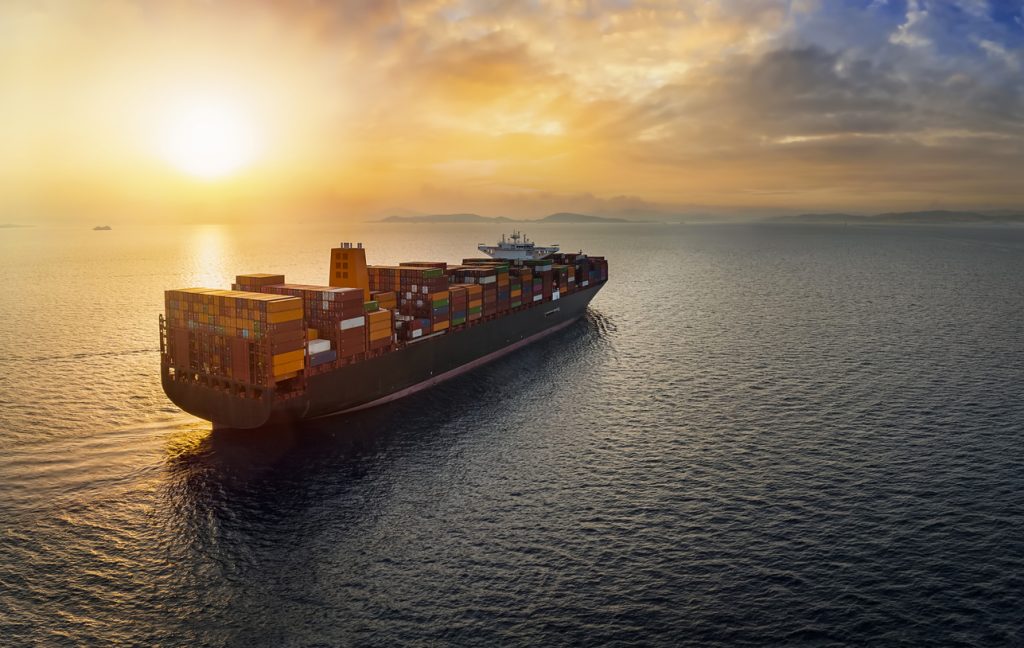
Real-time cargo tracking in Nigeria has changed how logistics actually works. A few years ago, once goods left a warehouse or port, customers had to “wait and hope” they arrived safely. Today, businesses can see where their cargo is, how it is moving, and when it is expected to arrive—almost in real time.
In a country where cargo moves through busy routes like Lagos to Abuja, Port Harcourt to Kano, and across congested port access roads like Apapa and Tin Can, real-time visibility is no longer optional. It is what keeps supply chains stable.
Travo.ng supports real-time cargo tracking in Nigeria by coordinating logistics movements and helping clients monitor shipments across cities, interstate routes, and industrial delivery networks.
What Real-Time Cargo Tracking Actually Means in Nigeria
Real-time cargo tracking refers to the ability to monitor a shipment’s location and movement while it is still in transit.
It typically shows:
- Current truck location
- Movement speed and direction
- Estimated delivery time
- Route updates or changes
- Stop points or delays
- Delivery progress status
Instead of waiting for manual updates, businesses can see continuous movement updates as cargo travels.
How Real-Time Tracking Works in Nigeria’s Logistics System
Tracking systems in Nigeria usually combine technology and operational coordination.
1. GPS Device Installation
A tracking device is installed in:
- Trucks
- Tankers
- Flatbeds
- Low-loaders
This device sends location signals during movement.
2. Dispatch Activation
Once cargo leaves the pickup point:
- Tracking is activated
- Route is logged
- Delivery timeline is estimated
3. Live Movement Updates
As the vehicle moves:
- Location updates are transmitted
- Speed and direction are recorded
- Stops are detected automatically
4. Logistics Monitoring Dashboard
On the logistics side:
- Fleet managers monitor all vehicles
- Delays are identified early
- Route adjustments can be made if needed
5. Delivery Confirmation
At destination:
- Arrival is recorded
- Cargo is offloaded
- Proof of delivery is updated in the system
Why Real-Time Cargo Tracking Is Important in Nigeria
Nigeria’s logistics environment makes visibility extremely important.
1. Traffic Uncertainty
Cities like Lagos can cause unpredictable delays due to congestion.
2. Long Interstate Routes
Cargo moving from Lagos to Kano or Abuja can take hours or days.
3. Port Congestion Issues
Apapa and Onne ports often experience delays before trucks even start moving.
4. Security Concerns
Real-time monitoring helps reduce risks of cargo diversion or theft.
5. Business Planning
Companies rely on accurate delivery timelines for:
- Warehouse scheduling
- Retail stock planning
- Customer delivery commitments
Common Routes Where Real-Time Tracking Is Critical
Real-time cargo visibility is especially important on:
- Lagos to Abuja (high-value business logistics)
- Lagos to Port Harcourt (industrial and oil cargo)
- Lagos to Kano (bulk distribution routes)
- Onne Port to inland Nigeria (imported goods movement)
- Port Harcourt to Aba (manufacturing supply chain)
- Lagos to Ibadan (fast-moving commercial logistics)
These routes involve long travel times and multiple logistics variables.
Types of Cargo That Use Real-Time Tracking
1. Retail and FMCG Goods
- Supermarket supply chains
- Nationwide product distribution
2. Industrial Cargo
- Raw materials
- Factory inputs
3. Heavy Equipment
- Construction machinery
- Low-loader cargo
4. Fuel and Tanker Cargo
- Petrol and diesel distribution
- Chemical transport
5. E-commerce Shipments
- Customer deliveries
- High-volume parcel logistics
Challenges of Real-Time Tracking in Nigeria
Even with modern systems, there are still challenges:
1. Network Coverage Gaps
Some rural or highway areas have weak signal coverage.
2. System Integration Issues
Not all logistics operators use advanced tracking tools.
3. Driver Compliance
Manual updates may still be required in some cases.
4. Road Disruptions
Unexpected delays can affect ETA accuracy.
5. Cost of Advanced Systems
High-end tracking solutions may increase logistics costs for smaller businesses.
Benefits of Real-Time Cargo Tracking
1. Full Visibility
Businesses know exactly where cargo is at any time.
2. Better Delivery Planning
Warehouses and customers can prepare in advance.
3. Reduced Cargo Risk
Monitoring reduces chances of theft or misrouting.
4. Faster Problem Response
Delays can be detected and addressed early.
5. Improved Customer Trust
Clients feel more confident when they can track shipments.
Real-Time Tracking vs Traditional Updates
Traditional Tracking
- Phone calls
- Driver check-ins
- Delayed updates
- Limited accuracy
Real-Time Tracking
- Live GPS updates
- Continuous monitoring
- Accurate ETA predictions
- Automated alerts
The difference is control versus uncertainty.
Cost of Real-Time Cargo Tracking in Nigeria
Pricing depends on the level of technology used.
Key cost factors include:
- Type of tracking system
- Number of vehicles monitored
- Cargo value and sensitivity
- Frequency of reporting
- Logistics complexity
Typical ranges:
- Basic tracking (included in delivery): ₦0 – ₦10,000
- GPS-enabled tracking per trip: ₦10,000 – ₦50,000
- Fleet-level tracking systems: Custom enterprise pricing
Industries That Depend on Real-Time Cargo Tracking
Manufacturing
- Raw material monitoring
- Production planning
Retail and Distribution
- Inventory movement tracking
- Customer delivery updates
Oil and Gas
- Fuel distribution monitoring
- Hazardous cargo safety
Construction
- Equipment and material tracking
- Site delivery coordination
Logistics Companies
- Fleet performance management
- Route optimization
Why Real-Time Tracking Improves Nigerian Logistics
In a high-demand logistics environment, visibility leads to efficiency.
It helps reduce:
- Delivery delays
- Miscommunication
- Lost shipments
- Poor scheduling
- Customer complaints
It also improves coordination between drivers, dispatch teams, and customers.
Reliable Real-Time Cargo Tracking Requires Proper Coordination
Technology alone is not enough. Real-time tracking works best when combined with:
- Proper dispatch planning
- Accurate route selection
- Driver communication
- Fleet management systems
- Logistics supervision
Travo.ng provides real-time cargo tracking in Nigeria, supporting businesses with live shipment visibility, interstate logistics monitoring, and coordinated delivery systems designed for reliable supply chain control across the country.
