


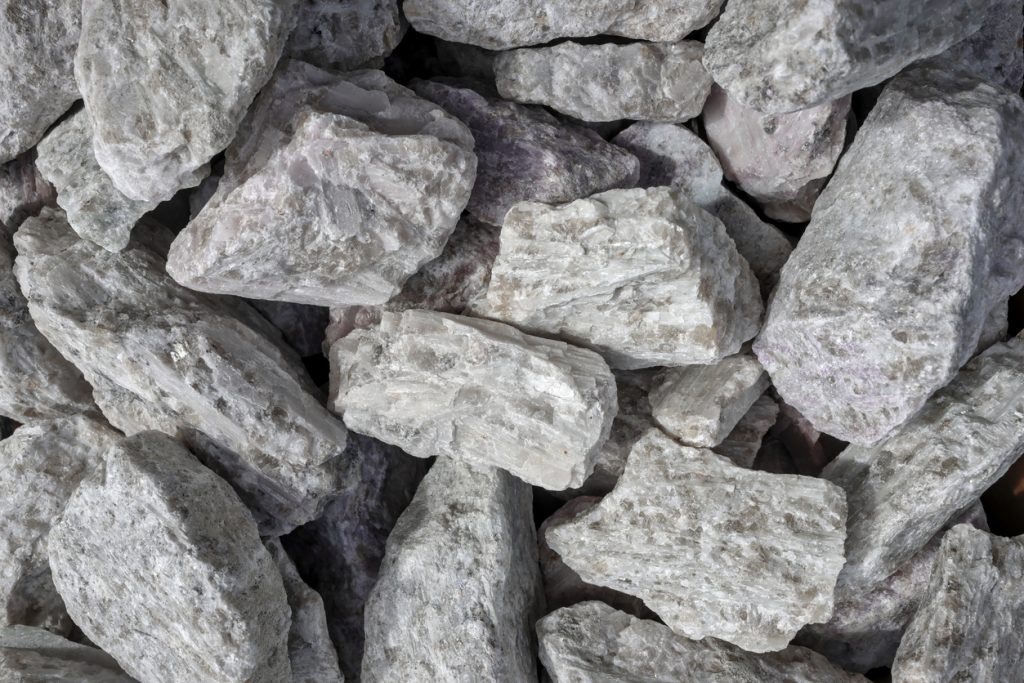
Environmental sampling for acid rock drainage (ARD) risk is one of the most important environmental and geochemical assessment processes in mining and mineral development. It is used to determine whether exposed rocks and mine wastes will generate acidic water that can damage soil, contaminate groundwater, and harm surrounding ecosystems.
For mining and exploration activities linked to export corridors through Lagos, ARD risk assessment is not just an environmental requirement—it is a long-term liability control process that determines whether a project is environmentally and financially sustainable.
What acid rock drainage actually means in mining environments
Acid rock drainage occurs when sulphide-bearing rocks are exposed to air and water, triggering chemical reactions that produce sulfuric acid.
This process can lead to:
- Acidic water runoff from mine sites
- Heavy metal leaching into soil and groundwater
- Long-term contamination of nearby ecosystems
- Damage to agriculture and water sources
- High remediation costs for mining operators
Once it starts, ARD can continue for decades if not properly controlled.
Why environmental sampling is the first step in ARD risk control
Before mining begins or waste rock is exposed, environmental sampling is used to predict whether acid generation is likely to occur.
Sampling helps:
- Identify sulphide-rich mineral zones
- Detect acid-generating materials in ore and waste rock
- Assess neutralizing capacity of surrounding materials
- Evaluate groundwater and soil sensitivity
- Guide mine design and waste management planning
Without early sampling, ARD risks often remain hidden until operations begin.
What environmental sampling for ARD actually involves
A proper ARD assessment is not based on a single test but a combination of field sampling and laboratory analysis.
Typical procedures include:
- Collection of rock, soil, and waste samples
- Geochemical testing for sulphur content
- Acid-base accounting (ABA) tests
- Static and kinetic leach tests
- pH and conductivity analysis of water samples
- Long-term weathering simulations in laboratories
These tests help predict how materials will behave when exposed to environmental conditions.
Why sulphide minerals are the main source of ARD risk
Not all rocks generate acid drainage. The risk is mainly associated with sulphide-bearing minerals.
Common ARD-generating minerals include:
- Pyrite (iron sulphide)
- Pyrrhotite
- Chalcopyrite
- Other sulphide-rich ore bodies
When these minerals react with oxygen and water, acid formation begins, especially in exposed mine waste.
How ARD risk affects mining project decisions
Environmental sampling results directly influence whether a mining project can proceed safely.
Findings may affect:
- Mine design and excavation planning
- Waste rock storage strategies
- Tailings dam construction requirements
- Water treatment system design
- Overall project feasibility and approval
High ARD risk can significantly increase operating costs.
Common environmental sampling challenges in mining projects
ARD risk assessment is complex, and errors in sampling can lead to inaccurate predictions.
Common challenges include:
- Incomplete sampling of ore variability
- Ignoring deep or unexposed mineral layers
- Contamination during sample collection
- Lack of seasonal water sampling data
- Insufficient long-term geochemical testing
These issues can result in unexpected acid drainage after mining begins.
Why ARD is a long-term environmental liability
Unlike short-term operational risks, acid rock drainage can persist long after mining stops.
Potential long-term impacts include:
- Continuous contamination of water systems
- Soil degradation affecting agriculture
- Expensive environmental remediation programs
- Regulatory penalties and compliance issues
- Damage to company reputation and license renewal risks
Because of this, early prediction is far more cost-effective than later cleanup.
How ARD sampling connects to broader mining studies
Environmental sampling for acid rock drainage is often part of a larger geochemical and feasibility framework.
It supports:
- Mineralogical characterisation studies
- Geochemical baseline assessments
- Environmental impact assessments (EIA)
- Mine closure planning
- Waste management design
- Water quality monitoring systems
Together, these studies ensure mining operations remain environmentally responsible.
Why ARD risk assessment is critical in export-linked mining systems
Mining operations tied to export logistics through Lagos must consider both environmental compliance and international buyer expectations.
Global buyers increasingly require:
- Environmental compliance documentation
- Proof of responsible mining practices
- Sustainability and ESG reporting
- Verified risk mitigation strategies
ARD assessment is a key part of meeting these expectations.
How mining companies reduce acid rock drainage risks
Experienced operators take proactive steps to control ARD before it becomes a problem.
Best practices include:
- Early geochemical sampling of all ore zones
- Segregation of acid-generating and non-acid-generating materials
- Controlled waste rock storage systems
- Installation of water treatment facilities
- Continuous environmental monitoring programs
Prevention is significantly cheaper than remediation.
How Travo.ng supports environmental and mining logistics
While ARD risk assessment is scientific, it depends heavily on logistics for sample movement, field coordination, and testing schedules.
Travo.ng supports mining and environmental teams by coordinating:
- Transport of environmental samples to accredited laboratories
- Movement of field teams and equipment to sampling sites
- Logistics scheduling aligned with environmental testing timelines
- Efficient coordination between mining sites and analysis facilities
Reliable logistics help ensure environmental data is accurate and collected on time.
When environmental sampling becomes a safeguard for mining sustainability
Environmental sampling for acid rock drainage risk is not just a regulatory requirement—it is a long-term safeguard for mining sustainability. It protects ecosystems, reduces financial liability, and ensures mining operations can continue responsibly without creating irreversible environmental damage.
Mining projects that invest early in ARD risk assessment are better positioned to operate sustainably, comply with regulations, and maintain international credibility.
