


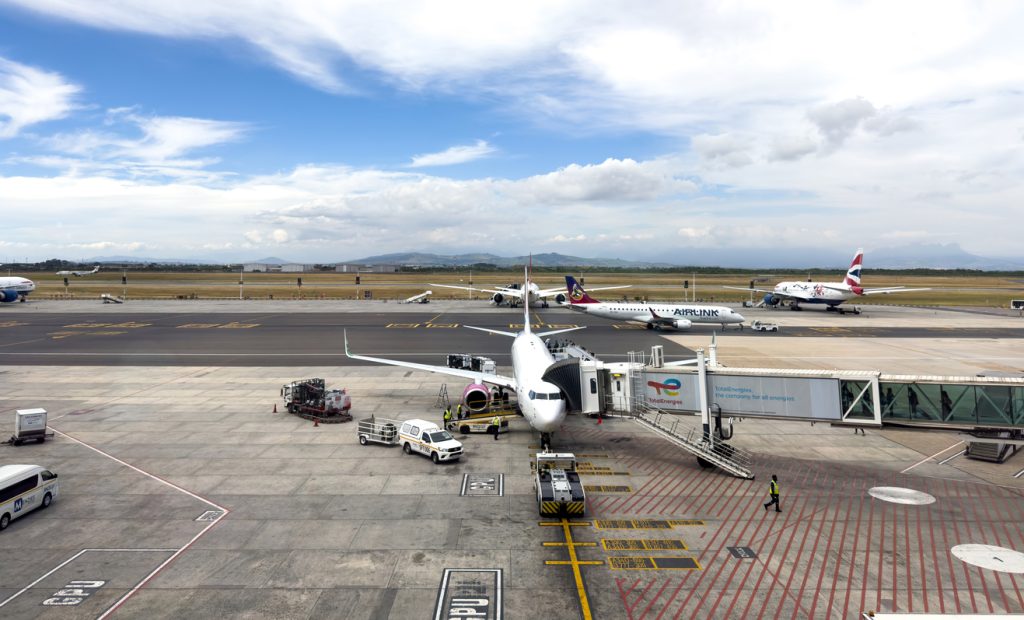
Aircraft leasing and management services combine two core aviation functions: providing aircraft to operators under structured lease agreements and managing those aircraft to ensure they remain safe, compliant, and profitable throughout the lease period.
This model is widely used in commercial aviation, private aviation, and investment-based aircraft ownership. It allows aircraft owners, investors, and leasing companies to generate steady income while professional managers handle the technical and operational complexity of aviation.
What aircraft leasing and management services actually mean
Aircraft leasing refers to renting an aircraft to an airline, operator, or private client for a defined period under a contract.
Aircraft management refers to the operational oversight of that aircraft, including maintenance, crew coordination, compliance, and financial tracking.
Together, they ensure:
- The aircraft is continuously utilized
- The aircraft remains airworthy and compliant
- The owner earns predictable revenue
- Operational risks are minimized
In simple terms, leasing provides income, while management ensures performance.
Why aircraft leasing and management services are important
Aircraft are extremely expensive assets with high operating costs.
Without structured leasing and management, owners face:
- Low aircraft utilization rates
- High maintenance and operational expenses
- Complex regulatory compliance requirements
- Difficulty finding reliable operators or clients
- Poor return on investment
These services turn aircraft ownership into a structured aviation investment.
Core components of aircraft leasing and management services
1. Aircraft leasing structuring and agreements
Leasing is the foundation of aircraft monetization.
This includes:
- Dry lease agreements (aircraft only)
- Wet lease agreements (aircraft with crew and maintenance)
- Lease pricing and contract negotiation
- Lease duration structuring
- Risk allocation between owner and operator
Proper structuring ensures stable income and reduced risk.
2. Aircraft operational management
Once leased, the aircraft must be properly managed.
This includes:
- Flight operations coordination
- Scheduling and dispatch management
- Route planning and utilization optimization
- Airport and airspace coordination
- Minimizing aircraft downtime
Efficient operations increase revenue potential.
3. Maintenance and airworthiness management
Aircraft safety is non-negotiable.
Management includes:
- Scheduled maintenance planning (A-checks, C-checks, etc.)
- Engine and component inspections
- Airworthiness certification tracking
- Coordination with approved MRO providers
- Emergency maintenance response
This ensures continuous compliance and safety.
4. Crew management (for wet lease or managed aircraft)
When aircraft include crew, management covers:
- Pilot recruitment and scheduling
- Cabin crew coordination
- Training and certification tracking
- Duty time and fatigue management
- Operational readiness planning
Crew quality directly affects safety and service performance.
5. Regulatory compliance and aviation documentation
Aviation is heavily regulated across all jurisdictions.
This includes:
- Aircraft registration and licensing
- Aviation authority compliance (ICAO, FAA, EASA standards)
- Insurance and liability coverage
- Safety audits and reporting
- Cross-border regulatory compliance
Non-compliance can lead to grounding or penalties.
6. Financial reporting and lease performance tracking
Transparency is essential for investors and owners.
Reports include:
- Lease income per aircraft
- Operating cost breakdown
- Maintenance expenditure tracking
- Net profit and ROI analysis
- Utilization rate per aircraft
- Lease vs charter performance comparison
This ensures informed financial decisions.
7. Aircraft utilization and revenue optimization
Profitability depends on maximizing flight hours.
Management focuses on:
- Reducing aircraft idle time
- Optimizing lease schedules
- Matching aircraft type to market demand
- Increasing charter utilization when available
- Coordinating multi-operator usage
Higher utilization improves ROI.
Types of aircraft leasing models
1. Dry lease
- Aircraft is provided without crew or maintenance
- Lessee handles operations
- Common in airline-to-airline leasing
2. Wet lease
- Aircraft comes with crew, maintenance, and insurance
- Full operational package
- Used for short-term capacity needs
3. ACMI lease (Aircraft, Crew, Maintenance, Insurance)
- Full-service leasing model
- Common in commercial airline operations
4. Hybrid leasing model
- Combination of leasing and charter operations
- Balances income and flexibility
Key performance indicators (KPIs)
Aircraft leasing and management services are measured using:
- Aircraft utilization rate (flight hours)
- Lease revenue per aircraft
- Cost per flight hour
- Maintenance downtime percentage
- On-time operational performance
- Charter conversion rate (if applicable)
- Return on investment (ROI)
These indicators determine financial and operational success.
Challenges in aircraft leasing and management
Aircraft leasing is highly specialized and competitive.
Common challenges include:
- High capital investment requirements
- Regulatory complexity across countries
- Aircraft downtime during maintenance cycles
- Fuel price volatility
- Finding reliable lessees or operators
- Market fluctuations in demand
These require strong management expertise.
Risks of poor leasing and management
Without structured systems, aircraft owners may experience:
- Low aircraft utilization
- Lease defaults or unreliable operators
- High maintenance and operational losses
- Regulatory non-compliance risks
- Reduced aircraft value over time
- Poor return on investment
Poor management turns aircraft into underperforming assets.
How leasing and management services improve ROI
When properly executed, they deliver:
- Stable and predictable lease income
- Higher aircraft utilization
- Reduced downtime and inefficiency
- Strong regulatory compliance
- Optimized maintenance scheduling
- Transparent financial reporting
This ensures consistent and sustainable returns.
Technology used in aircraft leasing and management
Modern aviation relies on:
- Aircraft tracking and scheduling systems
- Lease management platforms
- Predictive maintenance software
- Flight operations management systems
- Compliance and documentation tools
- Financial reporting dashboards
Technology improves transparency and efficiency.
Where logistics coordination fits into aircraft leasing
Even well-managed leased aircraft depend on broader logistics systems.
This includes:
- Cargo and passenger coordination
- Airport ground handling services
- Air freight scheduling
- International logistics integration
Delays in logistics coordination affect aircraft utilization and lease profitability.
How Travo.ng supports logistics coordination
While aircraft leasing and management services focus on aircraft operations and investment performance, logistics coordination ensures smooth movement of cargo and passengers across the supply chain.
Travo.ng supports logistics operations through:
- Cargo consolidation and freight coordination
- Intercity and interstate delivery services
- Port-to-destination logistics support
- Supply chain coordination across Nigeria
- End-to-end logistics execution for cargo movement
This helps reduce delays that impact aircraft efficiency and lease revenue.
Final thoughts
Aircraft leasing and management services are essential for turning aircraft ownership into a structured, income-generating aviation investment. By combining leasing contracts with professional management, aircraft owners can achieve consistent utilization, reduced risk, and improved returns.
In modern aviation investment, success is not just about owning aircraft—it is about keeping them continuously leased, efficiently operated, and financially optimized throughout their lifecycle.
