


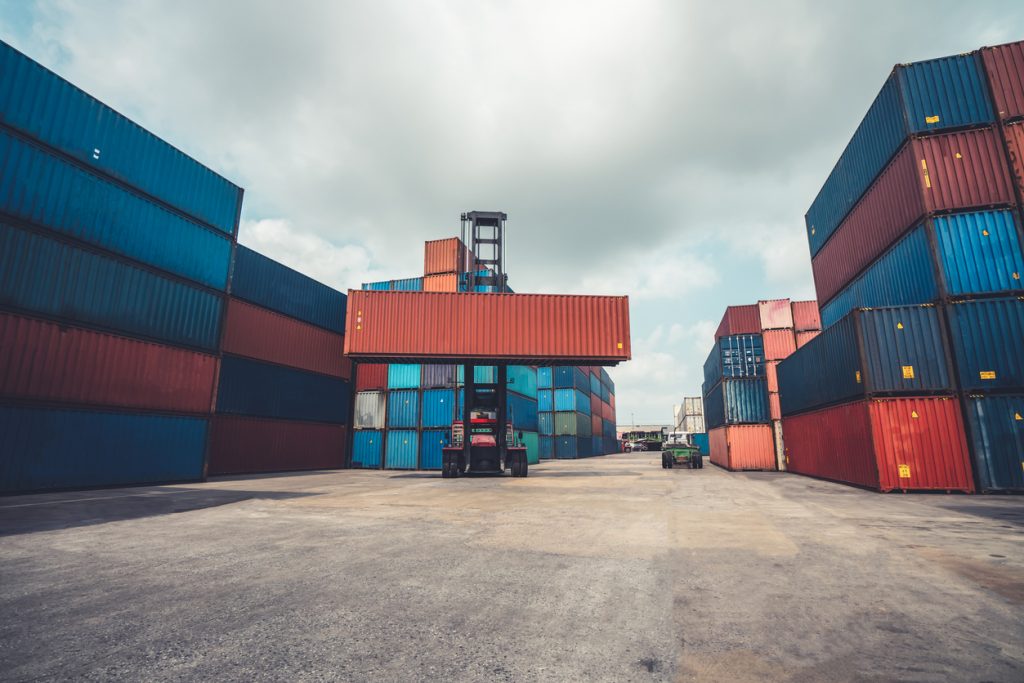
Terminal storage charges in Nigeria are fees charged by port terminal operators when cargo or containers remain at the terminal beyond the allowed free storage period. These charges are common in major ports such as Apapa Port and Tin Can Island Port in Lagos, where high cargo volume and clearance delays often extend container stay time.
Unlike shipping line demurrage or detention, terminal storage charges are specifically imposed by the port terminal operators for occupying space within the port facility.
Through Travo (Travo.ng), businesses can improve logistics coordination, transport planning, and cargo movement efficiency to reduce delays that lead to terminal storage charges.
What Are Terminal Storage Charges?
Terminal storage charges are fees paid when:
- Cargo remains inside the terminal after free days expire
- Containers are not evacuated on time
- Goods occupy port space longer than allowed
These charges are separate from:
- Demurrage (shipping line charges)
- Detention (container usage outside port)
How Terminal Storage Charges Work in Nigeria
- Cargo arrives at Apapa or Tin Can terminal
- Free storage period is granted
- Importer is expected to clear and evacuate cargo
- Free days expire
- Daily storage charges begin accumulating
Charges increase the longer cargo stays at the terminal.
Main Causes of Terminal Storage Charges
1. Customs Clearance Delays
- Incomplete documentation
- PAAR/Form M issues
- Physical inspection delays
2. Port Congestion
- High container traffic
- Limited terminal space
- Vessel discharge backlog
3. Late Payment of Charges
- Customs duty delays
- Terminal fees unpaid
- Shipping line charges outstanding
4. Trucking and Evacuation Delays
- Lack of available trucks
- Apapa traffic congestion
- Poor pickup scheduling
5. Poor Logistics Planning
- No structured clearance timeline
- Weak coordination between stakeholders
- Lack of tracking free days
Impact of Terminal Storage Charges
1. Increased Import Costs
Storage charges accumulate daily and can become expensive quickly.
2. Reduced Profit Margins
Extra port expenses reduce overall business profitability.
3. Supply Chain Disruptions
Delays affect:
- Production schedules
- Inventory availability
- Customer deliveries
How to Reduce Terminal Storage Charges in Nigeria
1. Start Clearance Before Arrival
- Process Form M early
- Secure PAAR before shipment arrival
2. Ensure Accurate Documentation
- Correct invoices
- Proper cargo description
- Matching shipment details
3. Pay Charges Promptly
- Clear customs and terminal fees quickly
- Avoid delays in payment processing
4. Arrange Trucks Early
- Book haulage before cargo arrival
- Avoid evacuation delays after clearance
5. Monitor Free Storage Days
- Track terminal timelines carefully
- Act before charges begin
6. Improve Logistics Coordination
Efficient coordination reduces delays across the supply chain.
Travo (Travo.ng) supports businesses with structured logistics coordination, executive transportation, concierge services, airport assistance, and premium mobility solutions. These services help improve timing, reduce operational delays, and ensure smoother cargo movement across Nigerian ports and terminals.
Difference Between Terminal Storage, Demurrage, and Detention
| Type | Charged By | Where It Applies |
|---|---|---|
| Terminal Storage | Terminal operator | Inside port terminal |
| Demurrage | Shipping line | Inside port |
| Detention | Shipping line | Outside port |
Final Thoughts
Terminal storage charges in Nigeria are a major cost factor for importers using Apapa and Tin Can Island Ports. They occur when cargo remains at the terminal beyond the free storage period due to delays in customs clearance, transport, or payment processing.
By preparing documentation early, clearing cargo quickly, and improving logistics coordination, businesses can significantly reduce terminal storage costs.
With structured planning and operational support from Travo (Travo.ng), importers can improve efficiency, reduce delays, and optimize cargo movement across Nigeria’s port system.
