


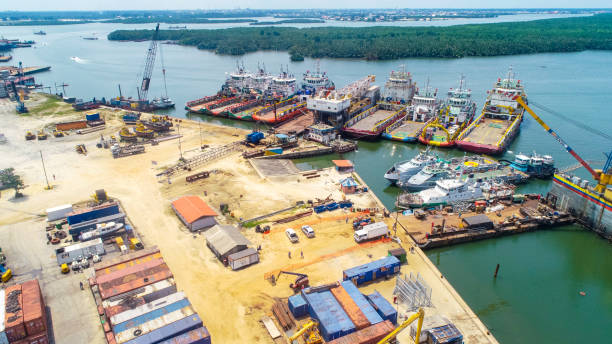
Port congestion surcharge in Nigeria is an extra fee charged by shipping lines when ports are overcrowded, operations are delayed, and container movement becomes slower than normal. It is added on top of standard freight costs to compensate carriers for delays and inefficiencies at the port.
In simple terms, it is a penalty-like fee you pay because the port is too busy and containers cannot move quickly.
What Causes Port Congestion Surcharge in Nigeria
1. High Cargo Volume
Too many imports arriving at the same time, especially at:
- Apapa Port
- Tin Can Island Port
- Onne Port
2. Slow Cargo Clearance
Delays from:
Nigeria Customs Service
and other regulatory agencies increase container dwell time.
3. Infrastructure Limitations
Limited space, equipment, and container handling capacity.
4. Documentation Delays
Errors or missing documents slow down processing.
5. Regulatory Inspections
Cargo holds by agencies such as:
Standards Organisation of Nigeria
National Agency for Food and Drug Administration and Control
Nigerian Agricultural Quarantine Service
6. Traffic and Inland Logistics Issues
Difficulty moving cleared cargo out of the port adds to congestion.
Types of Costs Linked to Port Congestion
1. Congestion Surcharge (Shipping Line Fee)
Direct charge added to freight by shipping companies.
2. Demurrage
Charged when containers stay too long at the terminal.
3. Storage Fees
Daily charges for keeping cargo in port warehouses.
4. Detention Charges
Applied when empty containers are not returned on time.
Impact of Port Congestion Surcharge on Import Costs
1. Higher Total Freight Cost
Shipping becomes more expensive due to added surcharges.
2. Increased Landed Cost
Overall import cost rises significantly.
3. Reduced Profit Margins
Importers may not be able to pass all costs to customers.
4. Cash Flow Pressure
More money is tied up in delayed cargo.
5. Supply Chain Delays
Goods arrive later than planned, affecting business operations.
Example of Cost Impact
- Base freight: $2,000
- Congestion surcharge: $300
- Demurrage (delay): $500
- Storage fees: $200
👉 Total extra cost: $1,000+ added to shipment
Why Nigeria Ports Experience Congestion
- High import dependency
- Limited port infrastructure
- Slow clearance processes
- Heavy regulatory inspections
- Inefficient container evacuation
How to Reduce Port Congestion Charges
1. Fast Cargo Clearance
Clear goods immediately after arrival to avoid delays.
2. Proper Documentation
Avoid errors that trigger inspection delays.
3. Pre-Arrival Approvals
Obtain required permits before shipment (SON, NAFDAC, NAQS).
4. Use Experienced Clearing Agents
Helps speed up customs and regulatory processes.
5. Plan Inland Logistics Early
Arrange transport before cargo arrives.
Role of Compliance in Reducing Congestion Costs
Strong compliance helps reduce:
- Inspection delays
- Cargo holds
- Reclassification issues
- Documentation rework
Faster compliance = faster cargo movement = lower congestion costs.
How Travo.ng Helps After Clearance
While congestion surcharge happens during shipping and port operations, post-clearance logistics also affects total cost.
This is where Travo.ng supports businesses across Nigeria.
Travo.ng provides:
- Cargo pickup from ports and airports
- Nationwide transportation services
- Interstate logistics coordination
- Commercial cargo delivery
- Distribution support for businesses
- Last-mile delivery solutions
Fast cargo evacuation reduces storage-related losses and improves supply chain efficiency.
Final Insight
Port congestion surcharge in Nigeria is an extra shipping cost caused by overcrowded ports, slow clearance, and limited infrastructure. It increases freight and landed costs significantly, but proper planning, compliance, and fast clearance can reduce its impact.
