


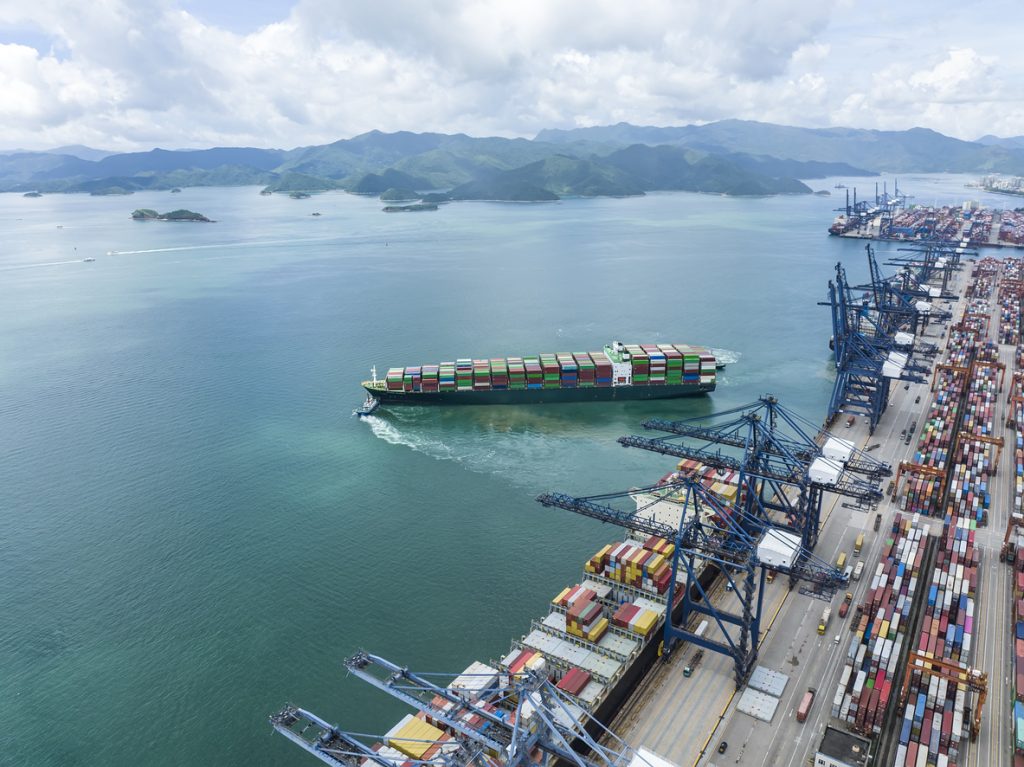
When people search for how to clear containers from Tin Can Port, they’re usually already under pressure — cargo has arrived in Lagos, demurrage is starting to build, and the goal is simple: get goods released quickly without unnecessary delays or extra charges.
Tin Can Island Port is one of Nigeria’s busiest import hubs, and clearance is controlled by the systems of the Nigeria Customs Service, terminal operators, shipping lines, and licensed clearing agents working together. If any part of the chain is slow or inconsistent, your container gets delayed.
The fastest clearance doesn’t happen at the port — it happens before your shipment even arrives.
Step 1: Get your documents ready before the cargo arrives
The most important stage in clearing containers at Tin Can Port is documentation. If your papers are wrong, everything else slows down.
You need:
- Commercial Invoice
- Packing List
- Bill of Lading
- Form M (approved by your bank before shipment)
- Insurance certificate
- SONCAP / NAFDAC or other regulatory approvals (if applicable)
If there’s a mismatch between documents (even small details), Customs can place your container on hold for verification or inspection.
Step 2: Work with a licensed clearing agent early
You cannot clear a container at Tin Can Port without a licensed Customs agent.
A good agent will:
- Review documents before cargo arrives
- Start Pre-Arrival Assessment Report (PAAR) processing early
- Flag valuation or HS code risks before declaration
- Track vessel arrival and prepare entry filing in advance
Waiting until the container lands is one of the biggest causes of delays.
Step 3: Process Form M and PAAR correctly
These two documents are critical for clearance speed.
- Form M confirms import approval through your bank
- PAAR validates shipment details for Customs assessment
If these don’t match your invoice or shipping documents:
- Clearance is delayed
- Cargo may be flagged for review
- Additional valuation checks may be triggered
Most delays at Tin Can start here.
Step 4: Submit customs declaration (SGD filing)
Once the vessel arrives and documents are ready, your agent files the Single Goods Declaration (SGD).
At this point, Customs assigns a clearance channel:
- Green → fast release
- Yellow → document check
- Red → physical inspection
Your channel determines how long clearance will take.
Step 5: Duty assessment and payment
Customs calculates duty based on:
- HS code classification
- Declared value (CIF)
- Product category
If the declared value is too low compared to Customs benchmarks, the cargo may be revalued — which slows clearance and increases cost.
After assessment, duties are paid through official channels before release.
Step 6: Inspection or scanning (if selected)
Not all containers are physically opened, but selection is common.
If your container is flagged:
- It may be scanned or opened for inspection
- Contents are compared with documents
- Any mismatch can extend clearance time
This step is one of the biggest causes of unexpected delays.
Step 7: Terminal release and shipping line approval
Once Customs clears the cargo:
- Shipping line issues delivery order
- Terminal processes release approval
- Container is scheduled for pickup
At Tin Can Port, terminal congestion can still slow this step even after clearance.
Step 8: Trucking and evacuation from the port
Even after release, delays can still cost you money.
To avoid demurrage:
- Pre-book trucks before clearance is completed
- Coordinate pickup timing with terminal release
- Avoid peak congestion hours where possible
- Ensure drivers are familiar with Tin Can port procedures
If containers stay too long after release, storage and demurrage charges continue to increase.
How long does clearance at Tin Can Port take?
In real operations:
- Smooth clearance: 5–10 working days
- With inspection: 7–14+ days
- With documentation issues: can take much longer
The difference is usually preparation quality, not port efficiency alone.
Why containers get delayed at Tin Can Port
Most delays come from:
- Incorrect or incomplete documentation
- HS code classification errors
- Valuation disputes with Customs
- Late Form M or PAAR processing
- Poor coordination between clearing and logistics teams
- Port congestion and terminal delays
Tin Can is busy — so small mistakes become expensive quickly.
How to speed up container clearance at Tin Can Port
Experienced importers reduce delays by:
- Preparing documents before shipment leaves origin
- Confirming HS codes early
- Ensuring invoice values are realistic and consistent
- Starting clearance processing before arrival
- Coordinating clearing, trucking, and delivery together
The goal is to eliminate surprises before cargo reaches Lagos.
How Travo.ng helps importers clear containers faster
For businesses importing through Tin Can Port, Travo.ng helps streamline the entire logistics chain so clearance becomes faster and more predictable.
This includes:
- Pre-arrival logistics coordination for imports
- Import documentation support to reduce errors
- Port pickup and container evacuation planning
- Trucking and delivery coordination after release
- End-to-end logistics management for regular importers
By improving coordination between documentation, clearing, and transport, importers reduce the delays that typically slow down clearance at Tin Can Port.
