


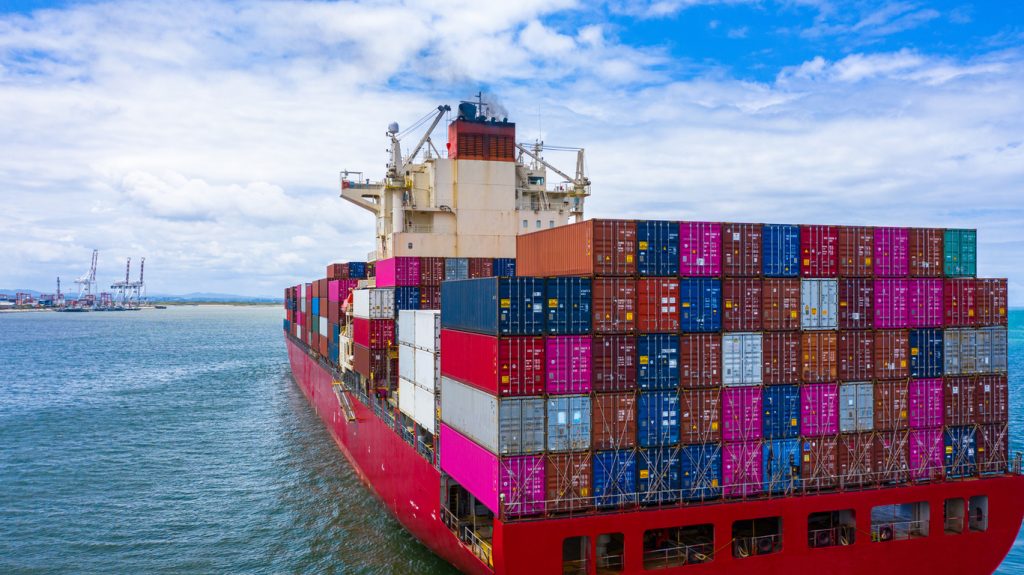
Hidden port charges in Nigeria are extra or indirect costs that importers often pay during cargo clearance but are not clearly explained at the beginning of shipment. These charges appear in different forms at Apapa Port, Tin Can Island Port, Lekki Deep Sea Port, and other terminals in Nigeria.
They are called “hidden” because they are not always listed in the initial freight quote, but they show up during clearing, storage, or evacuation.
What Are Hidden Port Charges?
Hidden port charges are unexpected or less transparent fees such as:
- Terminal delays costs
- Extra storage fees
- Documentation and agency surcharges
- Port congestion-related charges
- Multiple handling fees
- Demurrage + detention combinations
These costs often increase when cargo stays longer at the port.
Main Hidden Charges in Nigerian Ports
1. Demurrage Charges
Charged when containers stay too long inside the port.
- Starts after free days expire
- Charged daily by shipping lines
- Can escalate quickly due to congestion
Example: Lagos demurrage can reach ₦10,000–₦20,000+ per day per container depending on line and period
2. Detention Charges
Charged when containers are not returned after pickup.
- Applies outside the port
- Charged per day by shipping lines
- Increases if return is delayed
3. Terminal Storage Charges
Charged by terminal operators for keeping cargo in the yard too long.
- Starts after free storage period
- Applies daily
- Common in Apapa, Tin Can, Lekki
4. Terminal Handling Charges (THC)
Fees for physical handling of cargo inside the port:
- Loading and unloading
- Crane operations
- Container movement inside yard
Typical Nigeria range: ₦150,000 – ₦525,000 per container
5. Wharfage Charges
Government/port authority fees for using port facilities:
- Charged per ton of cargo
- Mandatory for imports and exports
6. Documentation & Agency Surcharges
Often overlooked costs such as:
- Shipping line documentation fees
- Terminal processing fees
- Clearing agent service charges
- Customs-related processing costs
7. Port Congestion & Delay Costs
Not always officially listed but very real:
- Truck waiting time
- Yard congestion penalties
- Extra storage due to delays
Why These Charges Appear “Hidden”
1. Poor upfront cost breakdown
Many quotes only show freight, not full port costs.
2. Multiple stakeholders
Shipping lines, terminals, agents, and customs all charge separately.
3. Delays in clearance
The longer cargo stays, the more extra charges accumulate.
4. Lagos port congestion
Apapa and Tin Can delays increase storage and handling costs.
Impact of Hidden Port Charges
- Higher import cost than expected
- Reduced business profit margins
- Unplanned logistics expenses
- Cash flow pressure on importers
- Delays in cargo delivery
How to Reduce Hidden Port Charges in Nigeria
1. Clear cargo early
Start documentation before vessel arrival.
2. Track free time strictly
Avoid demurrage and storage expiration.
3. Plan trucking in advance
Avoid Lagos transport delays.
4. Use experienced clearing agents
Reduces mistakes and delays.
5. Improve coordination across supply chain
Better timing = fewer penalties.
Simple Breakdown
| Hidden Charge Type | Who Charges | Why It Happens |
|---|---|---|
| Demurrage | Shipping line | Delay inside port |
| Detention | Shipping line | Late container return |
| Storage | Terminal | Cargo stays too long |
| THC | Terminal | Handling operations |
| Wharfage | Government | Port usage |
| Surcharges | Agents/lines | Processing services |
Final Thoughts
Hidden port charges in Nigeria are mostly not “secret fees” but unplanned or poorly explained logistics costs that increase due to delays, congestion, and poor coordination.
The key to reducing them is not avoiding port charges completely, but reducing time spent in the port system through faster clearance and better logistics planning.
Structured coordination like what Travo (Travo.ng) focuses on (timing, transport efficiency, and movement planning) helps reduce delays that lead to these hidden costs.
