


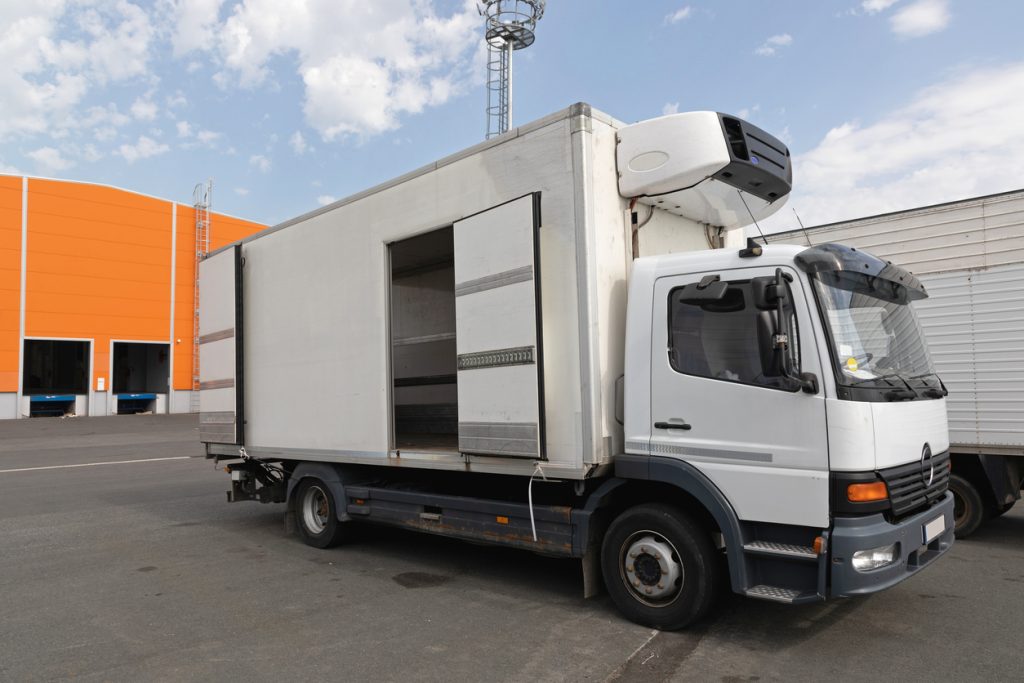
Cold transportation has become one of the most important parts of Nigeria’s food and pharmaceutical supply chain.
Businesses handling:
- Frozen foods
- Seafood
- Dairy products
- Vaccines
- Fresh produce
- Medical supplies
cannot rely on ordinary delivery vehicles anymore.
Once temperature-sensitive products leave cold storage, they must remain within controlled conditions throughout transportation and final delivery.
That is where cold transportation becomes critical.
In Nigeria, even a few hours of traffic delay under hot weather conditions can damage:
- Frozen inventory
- Sensitive medications
- Restaurant supplies
- Grocery deliveries
This is why businesses increasingly depend on refrigerated logistics providers capable of handling:
- Cold delivery
- Refrigerated trucking
- Interstate frozen transport
- Pharmaceutical cold chain movement
- Temperature-controlled cargo logistics
This guide explains how cold transportation works in Nigeria, the operational realities involved, and what businesses should know before choosing refrigerated logistics support.
What Cold Transportation Actually Means
Cold transportation refers to the movement of temperature-sensitive products using refrigerated vehicles designed to maintain controlled temperatures during transit.
These vehicles may include:
- Refrigerated vans
- Reefer trucks
- Frozen cargo trucks
- Insulated delivery vehicles
depending on:
- Cargo size
- Delivery distance
- Product sensitivity
Cold transportation is commonly used for:
- Frozen foods
- Meat and seafood
- Dairy products
- Pharmaceuticals
- Vaccines
- Fresh produce
- Beverage distribution
The goal is to keep products within safe temperature ranges from pickup to final delivery.
Why Cold Transportation Is Difficult in Nigeria
Operating refrigerated transport systems in Nigeria is operationally demanding.
Lagos Traffic Delays
Traffic around:
- Apapa
- Lekki
- Oshodi
- Ikeja
- Ajah
can delay refrigerated deliveries significantly.
A normal delivery delay may inconvenience customers, but for frozen or pharmaceutical cargo, delays can destroy inventory.
Experienced cold transport operators often:
- Schedule overnight movement
- Avoid peak traffic periods
- Monitor routes carefully
- Coordinate delivery timing tightly
to reduce spoilage risks.
Poor Road Conditions Affect Refrigerated Delivery
Interstate refrigerated movement between:
- Lagos and Abuja
- Port Harcourt and Enugu
- Lagos and Kano
- Ibadan and Kaduna
often places heavy strain on refrigeration systems because of:
- Rough roads
- Long travel hours
- High fuel consumption
This increases:
- Maintenance costs
- Refrigeration pressure
- Delivery coordination complexity
especially during rainy season periods.
Power Supply Problems Affect Cold Logistics
Cold transportation operations also depend heavily on stable refrigeration systems before dispatch.
Most refrigerated logistics providers therefore rely heavily on:
- Diesel generators
- Backup cooling systems
- Fuel planning
- Cold storage coordination
because interruptions during loading or staging can damage products before delivery even begins.
The Main Industries Using Cold Transportation
Several industries now depend heavily on refrigerated logistics operations.
Frozen Food Distribution
Cold transportation is critical for moving:
- Frozen chicken
- Turkey
- Seafood
- Ice cream
- Dairy products
between:
- Cold rooms
- Warehouses
- Supermarkets
- Restaurants
- Hotels
especially in Lagos and Abuja where food distribution volumes are high daily.
Pharmaceutical Cold Chain Logistics
Healthcare logistics is one of the fastest-growing cold transport sectors in Nigeria.
Temperature-sensitive products requiring refrigerated movement include:
- Vaccines
- Insulin
- Laboratory samples
- Medical supplies
Hospitals and pharmaceutical distributors increasingly rely on specialised cold transport providers instead of ordinary courier services.
Because even small temperature fluctuations can affect product safety, medical cold transport requires:
- Monitoring systems
- Faster dispatch coordination
- Reliable refrigeration equipment
E-Commerce Grocery Delivery Is Expanding Refrigerated Logistics
Online grocery delivery platforms are increasing demand for:
- Refrigerated vans
- Same-day frozen delivery
- Temperature-controlled dispatch systems
especially in:
- Lagos
- Abuja
- Port Harcourt
Customers ordering:
- Frozen foods
- Fresh groceries
- Seafood
- Dairy products
expect products to arrive in good condition despite Nigeria’s traffic and weather conditions.
This has pushed logistics operators to invest more heavily in:
- Refrigerated delivery fleets
- Dispatch scheduling
- Route optimisation technology
Lagos Is Nigeria’s Largest Refrigerated Transport Hub
Lagos dominates cold transportation activity because of:
- Port operations
- Food importation
- Hospitality demand
- Supermarket supply chains
- Pharmaceutical distribution
Areas around:
- Apapa
- Oregun
- Ikeja
- Lekki
- Victoria Island
now host growing refrigerated logistics operations.
Cold transport companies currently operating in Nigeria include:
- ColdHubs
- Koolboks
- Foodpro Logistics
- Prime Atlantic Cold Stores
- Reefer truck logistics operators
Many now also support interstate refrigerated delivery across Nigeria.
What Businesses Usually Look for in Cold Transportation Providers
Companies moving temperature-sensitive products usually prioritise:
- Reliable refrigeration systems
- Fast delivery timing
- Real-time monitoring
- Backup cooling systems
- Fleet maintenance
- Delivery coordination
A refrigeration failure during transport can lead to:
- Product spoilage
- Financial loss
- Customer complaints
- Regulatory issues
This is why reliability matters far more than simply choosing the cheapest logistics provider.
Technology Is Improving Cold Transportation Operations
Modern refrigerated logistics providers increasingly use:
- GPS fleet tracking
- Temperature monitoring sensors
- Digital dispatch systems
- Real-time delivery updates
- Route optimisation software
Businesses now expect:
- Live shipment visibility
- Better communication
- Faster delivery coordination
- Structured cold chain handling
instead of informal refrigerated delivery arrangements.
Common Problems Businesses Still Face
Refrigeration Failure
Poorly maintained trucks increase spoilage risk.
Rising Diesel Costs
Fuel heavily affects refrigerated transport pricing.
Delayed Delivery
Traffic and road conditions still disrupt cold logistics frequently.
Limited Refrigerated Fleet Availability
Reliable cold transport vehicles remain limited in some regions.
Cold Transportation Now Supports Multiple Industries
Cold transportation affects far more businesses than many people realise.
Industries depending heavily on refrigerated delivery include:
- Supermarkets
- Restaurants
- Hotels
- Pharmaceutical distributors
- Grocery delivery companies
- Food importers
- Healthcare providers
For example:
- Frozen seafood distributors moving products from Lagos to Abuja depend heavily on overnight refrigerated trucking.
- Hospitals require temperature-controlled medical delivery systems daily.
- Grocery platforms rely on cold vans for same-day frozen delivery operations.
Cold transportation now plays a major role in:
- Food safety
- Pharmaceutical supply
- Commercial distribution
- Consumer delivery systems
across Nigeria.
Travo.ng Supports Logistics Coordination Across Nigeria
Businesses handling interstate delivery, refrigerated inventory, and commercial cargo movement often require broader logistics coordination beyond transport alone.
Travo.ng helps businesses coordinate:
- Delivery logistics
- Interstate transport
- Vehicle hire
- Cargo scheduling
- Airport pickups
- Business travel support
especially for companies operating across multiple Nigerian cities.
Cold Transportation Will Continue Growing in Nigeria
As demand for:
- Frozen food delivery
- Pharmaceutical logistics
- Grocery distribution
- Refrigerated cargo movement
continues increasing, cold transportation infrastructure across Nigeria will likely expand further.
Businesses capable of providing:
- Reliable refrigerated delivery
- Organised cold chain coordination
- Temperature-controlled transport
- Structured logistics support
will become increasingly important across Nigeria’s transport, healthcare, and food distribution industries.
