


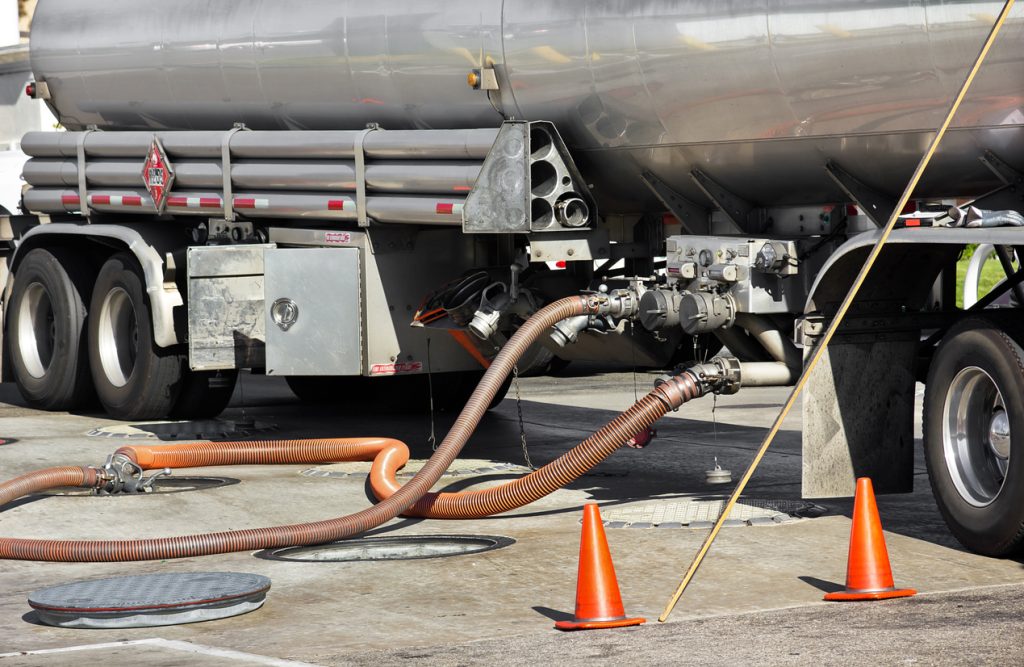
Moving petroleum products in Nigeria is not the same as moving regular cargo. A business handling diesel, petrol, kerosene, lubricants, or industrial fuel supply needs the right vehicles, careful route planning, trained drivers, and proper coordination from pickup to final delivery.
That is why petroleum fleet leasing in Nigeria has become a practical option for companies that need reliable fuel movement without owning and managing trucks themselves.
For many businesses, buying tankers is expensive. Maintaining them is even harder. Tyres, insurance, driver management, safety checks, permits, repairs, and downtime can quickly become a serious operational burden.
With Travo.ng, businesses can arrange petroleum fleet leasing, transport coordination, cargo logistics, and related movement support based on real delivery needs.
What Petroleum Fleet Leasing Really Means
Petroleum fleet leasing means hiring properly arranged vehicles for transporting petroleum-related products instead of buying your own trucks.
Depending on the job, this may involve:
- Tanker trucks for fuel movement
- Support vehicles for field operations
- Trucks for lubricants and packaged petroleum products
- Scheduled fleet use for recurring supply runs
- Short-term leasing for urgent projects
- Long-term transport support for oil and gas vendors
For example, a construction company supplying diesel to sites in Lagos, Ogun, and Abuja may not need to own a full fleet. It may only need dependable vehicles available on agreed days, with proper coordination and reporting.
That is where a managed leasing arrangement becomes useful.
Routes and Delivery Realities Across Nigeria
Petroleum transport in Nigeria depends heavily on route conditions. A Lagos to Abuja movement may look simple on paper, but in practice, timing depends on loading delays, road conditions, security checks, traffic around Lagos exits, and delivery access at the receiving point.
Common petroleum movement corridors include:
- Lagos to Abuja
- Lagos to Port Harcourt
- Warri to Benin and Lagos
- Port Harcourt to Aba, Enugu, and Onitsha
- Lagos to Ibadan, Abeokuta, and industrial areas in Ogun
- Abuja to Kaduna, Kano, and nearby northern locations
A well-planned petroleum fleet leasing service should not only provide vehicles. It should also help plan movement windows, driver communication, route expectations, and delivery confirmation.
What Businesses Should Check Before Leasing a Petroleum Fleet
Before booking any petroleum transport arrangement, confirm the basics.
The vehicle must match the product type and delivery volume. A company moving bulk diesel needs a different setup from a business distributing drums of lubricant to workshops and retail outlets.
Also check:
- Vehicle condition and roadworthiness
- Driver experience with petroleum-related cargo
- Loading and offloading coordination
- Route planning and communication
- Insurance and safety awareness
- Availability for repeat trips
- Emergency response process
Many delivery issues happen because businesses focus only on price. Cheap transport can become expensive when a truck breaks down, arrives late, or creates safety concerns.
Realistic Cost Factors to Expect
The cost of petroleum fleet leasing in Nigeria depends on several things. Distance is important, but it is not the only factor.
Pricing may be affected by:
- Vehicle type and capacity
- Lease duration
- Pickup and delivery locations
- Road conditions
- Waiting time at loading points
- Security requirements
- Fuel price changes
- Urgency of the request
A short movement within Lagos may be priced differently from an interstate delivery to Abuja or Kano. Long-term leasing is also usually structured differently from one-off hire.
The best approach is to provide clear details before requesting a quote: product type, volume, pickup location, delivery address, expected date, and whether the movement is one-time or recurring.
When Petroleum Fleet Leasing Makes More Sense Than Buying Trucks
Fleet ownership works for some large operators, but it is not always the smartest choice.
Leasing may be better when:
- Your delivery demand changes from month to month
- You want to avoid maintenance costs
- You need extra trucks during peak demand
- You are expanding into new locations
- You need support for a temporary contract
- You want fewer operational headaches
For fuel vendors, construction companies, factories, farms, telecom contractors, hotels, and facility managers, leasing gives more flexibility.
How Travo.ng Supports Petroleum and Business Logistics
Travo.ng helps businesses arrange practical mobility and logistics support across Nigeria. For petroleum-related operations, the focus is on proper coordination, dependable vehicle access, and clear communication.
Alongside petroleum fleet leasing, Travo.ng can also support related needs such as cargo logistics, delivery coordination, vehicle hire, relocation logistics, airport pickups for project teams, hotel reservations, and business transport planning.
This is useful for companies running field operations where people, equipment, and fuel all need to move smoothly.
Common Mistakes to Avoid
Do not wait until the last minute before arranging petroleum fleet movement. Loading points can be busy, roads can be unpredictable, and suitable vehicles may not always be available immediately.
Also avoid giving incomplete delivery information. A vague request like “I need a truck to Abuja” is not enough. Share the product type, quantity, pickup point, destination, timing, and any site access requirements.
Good information helps avoid delays, wrong vehicle assignment, and unnecessary extra costs.
Book Petroleum Fleet Leasing in Nigeria With Travo.ng
Petroleum movement requires more than finding a truck. It requires planning, coordination, safety awareness, and local experience.
If your business needs petroleum fleet leasing in Nigeria, Travo.ng can help you arrange reliable transport support for one-off deliveries, recurring fuel supply, project logistics, and wider business movement needs.
Whether you are moving products within Lagos or coordinating interstate petroleum logistics, Travo.ng gives you a practical way to book the right support without managing every detail alone.
