


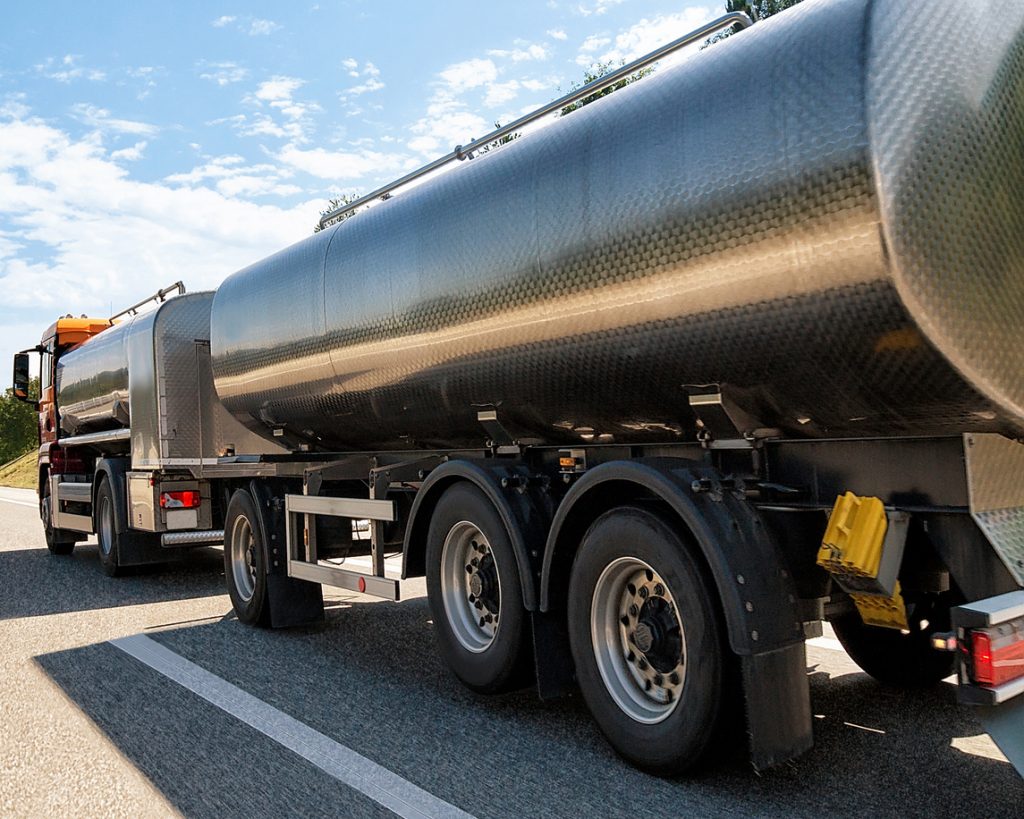
Truck ownership is often assumed to be a hands-on business that requires constant attention—managing drivers, tracking fuel, handling repairs, and chasing cargo. In reality, many investors today structure their trucking assets in a way that removes them completely from daily operations while still generating consistent income.
Truck ownership without daily operations is a model where investors own commercial trucks but delegate all operational responsibilities to professional fleet management or logistics companies. It transforms trucking from an active job into a structured investment.
For investors in Nigeria’s logistics ecosystem—especially in Lagos, port corridors like Apapa and Tin Can Island, and interstate freight routes—this approach is becoming a practical way to earn without operational stress.
What truck ownership without daily operations actually means
This model separates ownership from management.
The owner is responsible for:
- Providing capital for truck acquisition
- Holding legal ownership of the asset
- Receiving income or returns from operations
While a management team handles:
- Driver recruitment and supervision
- Dispatch and cargo coordination
- Fuel monitoring and control
- Maintenance and repairs
- Route planning and logistics execution
- Financial reporting and performance tracking
In simple terms, the owner invests, and professionals operate.
Why investors choose passive truck ownership
Many truck owners prefer this model because active involvement in logistics is demanding and unpredictable.
Common reasons include:
- Lack of time to manage daily operations
- Limited logistics experience
- Desire for passive income streams
- Difficulty supervising drivers and fuel usage
- Distance from operational hubs like Lagos or ports
- Avoiding operational stress and breakdown management
This structure allows investors to focus on returns instead of execution.
How truck ownership without daily operations works
1. Asset acquisition and onboarding
The process begins with purchasing or leasing trucks.
This includes:
- Selecting appropriate truck types (haulage, tanker, container, etc.)
- Evaluating earning potential based on routes
- Signing management agreements
- Handing over operational control to a fleet manager
Once onboarded, the truck enters a managed system.
2. Professional fleet management takeover
A management company takes full operational responsibility.
They handle:
- Truck dispatch and scheduling
- Driver recruitment and supervision
- Cargo sourcing and assignment
- Route planning and execution
- Trip monitoring and reporting
The truck becomes part of a structured fleet system.
3. Driver and operations control
Drivers are no longer directly managed by the owner.
Management ensures:
- Hiring qualified and vetted drivers
- Assigning drivers to specific routes
- Monitoring driving behaviour and compliance
- Enforcing safety and discipline standards
- Handling salaries and incentives
This reduces misuse and operational risk.
4. Fuel and maintenance oversight
Fuel and maintenance are major cost drivers in trucking.
The management team controls:
- Fuel usage tracking per trip
- Maintenance scheduling and servicing
- Breakdown response and repairs
- Spare parts procurement and vendor coordination
- Cost optimisation systems
This protects the asset and improves profitability.
5. Cargo coordination and dispatch planning
Trucks only generate revenue when actively moving goods.
Management handles:
- Matching trucks with available cargo
- Coordinating delivery schedules
- Reducing idle time between trips
- Managing client relationships
- Ensuring continuous cargo flow
This keeps the asset consistently productive.
6. Revenue tracking and owner payouts
Even without involvement, owners receive structured returns.
This includes:
- Monthly or trip-based income reports
- Revenue sharing or fixed lease payments
- Expense deductions and transparency reports
- ROI tracking and performance summaries
Clear reporting builds trust and accountability.
7. Real-time monitoring and transparency
Modern systems allow remote visibility.
This includes:
- GPS tracking of truck movements
- Trip progress updates
- Delivery confirmation reports
- Fuel and maintenance logs
- Exception alerts for delays or issues
Owners can monitor performance without direct involvement.
Benefits of truck ownership without daily operations
1. Passive income generation
Owners earn without managing day-to-day logistics.
2. Reduced operational stress
No need to handle drivers, breakdowns, or dispatch issues.
3. Professional fleet control
Experts manage efficiency, safety, and performance.
4. Higher truck utilisation
Trucks remain consistently active and earning.
5. Better financial transparency
Structured reporting shows real performance clearly.
Challenges in unmanaged truck ownership
Without structured systems, absentee ownership often leads to:
- Driver misuse or negligence
- Fuel theft or inefficiency
- Poor maintenance and breakdowns
- Irregular cargo availability
- Low truck utilisation
- Unclear financial reporting
These issues reduce profitability significantly.
Risks of weak management systems
Even with passive ownership, poor systems can cause:
- Revenue misreporting
- Asset depreciation due to neglect
- Operational downtime and delays
- Loss of client trust
- Reduced return on investment
Strong management contracts are essential.
How this model improves profitability
When properly structured, it delivers:
- Continuous truck utilisation
- Controlled operational costs
- Reduced breakdown frequency
- Stable cargo flow
- Predictable monthly returns
- Long-term asset preservation
The truck becomes a structured income-generating asset.
Technology used in passive truck ownership systems
Modern fleet systems rely on:
- GPS tracking and telematics
- Digital dispatch platforms
- Fuel monitoring systems
- Maintenance tracking software
- Automated financial reporting dashboards
These tools ensure visibility and accountability.
Where logistics coordination fits into passive ownership
Even fully managed trucks depend on external logistics systems.
This includes:
- Cargo booking and freight forwarding
- Port and warehouse coordination
- Intercity and interstate delivery scheduling
- Customs and clearance processes
Delays in logistics still affect overall performance.
How Travo.ng supports logistics coordination
While truck ownership without daily operations focuses on passive income and asset management, logistics coordination ensures smooth movement of goods across the supply chain.
Travo.ng supports logistics operations through:
- Cargo consolidation and freight coordination
- Intercity and interstate delivery services
- Port-to-destination logistics support
- Supply chain coordination across Nigeria
- End-to-end logistics execution for cargo movement
This helps reduce delays that affect fleet utilisation and investor returns.
Final thoughts
Truck ownership without daily operations is a practical model for investors who want exposure to the logistics industry without dealing with daily operational complexity. It depends entirely on strong fleet management systems, reliable drivers, and structured logistics coordination.
When properly executed, it transforms trucking into a stable, passive income asset class.
In modern logistics, the most effective truck investors are not those who manage trucks themselves—but those who build systems that manage them efficiently on their behalf.
