


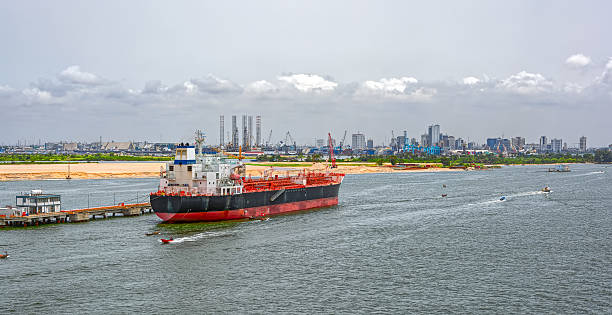
Tanker transport services in Nigeria are a critical part of the country’s logistics and energy supply chain. Unlike standard cargo trucks, tankers are specially designed to carry liquid, gas, and bulk fluid materials such as fuel, chemicals, water, and industrial liquids.
From fuel distribution in Lagos to industrial chemical movement in Port Harcourt and bulk water supply in northern cities, tanker logistics keeps businesses, households, and industries running daily. Without it, fuel stations would run dry, factories would shut down, and construction sites would struggle to operate.
Travo.ng helps coordinate tanker transport services across Nigeria, supporting businesses that need safe, reliable, and properly managed liquid cargo movement.
Why Tanker Transport Is Essential in Nigeria’s Economy
Liquid cargo cannot be moved using regular trucks because of safety, stability, and handling requirements. Tankers are built with sealed cylindrical compartments to prevent leakage and ensure safe transport.
They are commonly used for:
- Petrol (PMS) distribution
- Diesel (AGO) transport
- Kerosene supply
- Industrial chemicals
- Cooking gas (LPG in specialized tankers)
- Water distribution for construction and communities
- Food-grade liquids like edible oil or beverages
- Bitumen for road construction
Each category requires strict handling due to safety risks and regulatory standards.
How Tanker Transport Works in Nigeria
Tanker logistics is more sensitive than regular cargo movement because it involves hazardous or high-value liquids.
1. Cargo Loading at Depot or Facility
Liquid is loaded from:
- Fuel depots
- Refineries
- Industrial plants
- Water processing facilities
Loading is done using controlled pumping systems to ensure accuracy and safety.
2. Volume Measurement and Sealing
Before movement:
- Cargo volume is measured
- Tank compartments are sealed
- Safety valves are checked
This prevents leakage or contamination during transit.
3. Route Planning
Routes are selected based on:
- Road safety conditions
- Fuel station or destination access
- Traffic congestion levels
- Regulatory checkpoints
4. Transportation
Tankers move under strict safety conditions with attention to:
- Speed limits
- Stability on curves and slopes
- Avoiding sudden braking or acceleration
5. Offloading at Destination
At delivery points such as:
- Fuel stations
- Factories
- Storage depots
Liquids are safely discharged using pumping systems.
Types of Tanker Transport Services in Nigeria
1. Fuel Tanker Transport
Used for:
- Petrol distribution
- Diesel supply
- Kerosene delivery
This is the most common form of tanker logistics in Nigeria.
2. Chemical Tanker Transport
Used for:
- Industrial chemicals
- Manufacturing materials
- Hazardous liquids
Requires specialized safety handling.
3. Water Tanker Services
Used for:
- Construction sites
- Residential supply
- Emergency water delivery
Very common during dry seasons or infrastructure projects.
4. LPG (Gas) Tanker Transport
Used for:
- Cooking gas distribution
- Industrial gas supply
Requires strict safety compliance due to explosion risk.
5. Food-Grade Liquid Transport
Used for:
- Edible oil
- Syrups
- Beverage ingredients
Requires hygiene-compliant tankers.
Major Routes for Tanker Transport in Nigeria
Tanker logistics follows Nigeria’s major industrial and fuel distribution corridors:
- Lagos to Ibadan (fuel and commercial supply chain)
- Lagos to Abuja (energy distribution network)
- Port Harcourt to Lagos (refined product movement)
- Warri to Northern states (fuel supply chain)
- Kaduna to Abuja (regional distribution)
- Lagos to Kano (bulk fuel and industrial supply)
These routes are essential for national fuel and industrial stability.
Challenges of Tanker Transport in Nigeria
Tanker logistics comes with high operational risks.
1. Road Conditions
Poor roads can affect stability and increase accident risk.
2. Traffic Congestion
Especially in Lagos, delays can affect delivery schedules.
3. Fuel Theft and Leakage Risks
Improper handling can lead to product loss.
4. Regulatory Checkpoints
Tankers often pass through multiple inspection points.
5. Weather Conditions
Rain and poor visibility can affect long-distance movement.
Safety Measures in Tanker Transport
Because of the risks involved, strict safety procedures are followed:
- Regular vehicle inspection
- Proper sealing before departure
- Certified drivers with hazardous cargo experience
- Controlled speed limits
- Emergency response readiness
- Route risk assessment
These measures ensure cargo safety and reduce environmental risks.
Cost of Tanker Transport Services in Nigeria
Pricing depends on liquid type, distance, and volume.
Key cost factors include:
- Type of liquid cargo
- Tanker size and capacity
- Distance of delivery
- Fuel and road conditions
- Loading and offloading requirements
- Regulatory or escort needs
Typical estimates:
- Water tanker services: ₦30,000 – ₦150,000
- Fuel tanker delivery (regional): ₦200,000 – ₦800,000
- Long-distance or industrial chemical transport: ₦500,000 – ₦2,000,000+
Large-scale fuel distribution contracts are usually negotiated based on volume and route.
Industries That Depend on Tanker Transport
Oil and Gas Sector
- Fuel distribution
- Depot-to-station supply chains
Construction Industry
- Water supply for projects
- Bitumen transport
Manufacturing Sector
- Industrial chemical supply
- Liquid raw materials transport
Hospitality and Urban Supply
- Water delivery to hotels and estates
- Emergency supply during shortages
Why Tanker Logistics Requires Professional Handling
Tanker transport is not just logistics—it is a safety-sensitive operation.
Improper handling can lead to:
- Fire hazards
- Environmental pollution
- Financial losses
- Regulatory penalties
That is why experience and compliance are critical in this sector.
Tanker Transport and Nigeria’s Energy Supply Chain
Nigeria’s fuel distribution system relies heavily on tanker logistics. Any disruption in tanker movement can affect:
- Fuel station availability
- Transport costs nationwide
- Industrial production
- Electricity generation (diesel-powered systems)
This makes tanker transport one of the most important logistics systems in the country.
Reliable Tanker Transport Requires Coordination
Efficient tanker logistics depends on:
- Proper scheduling
- Safe routing
- Vehicle maintenance
- Experienced drivers
- Real-time coordination
Travo.ng provides tanker transport services in Nigeria, supporting fuel distribution, industrial liquid movement, water supply logistics, and bulk liquid cargo coordination designed for safe and efficient nationwide delivery.
