


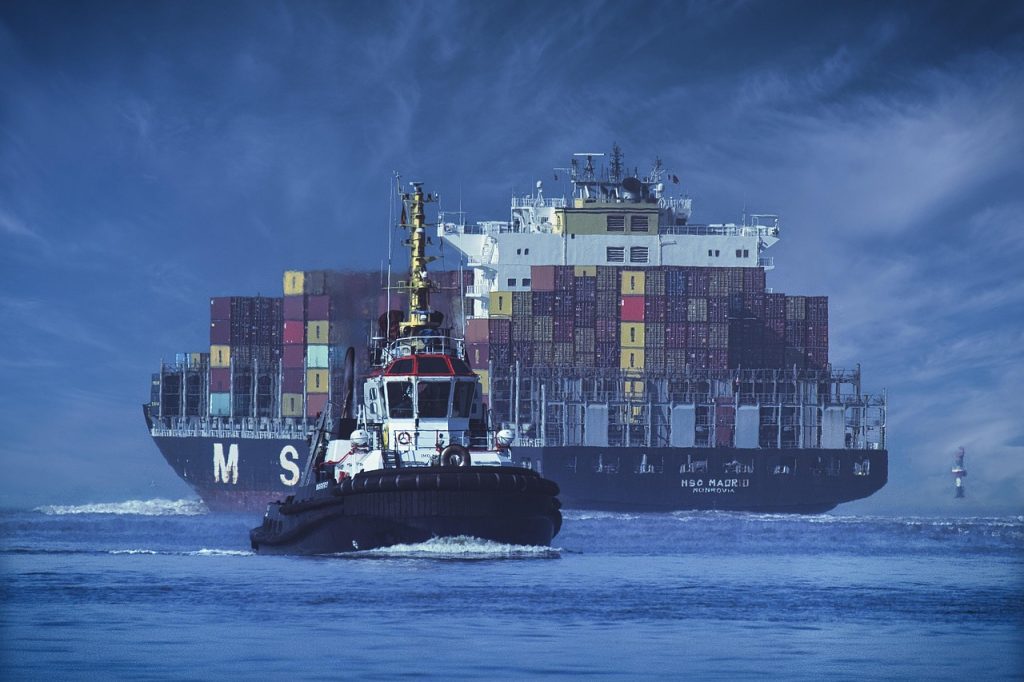
Owning a vessel sounds like full control—deciding when it sails, what cargo it carries, and how it is operated. But in reality, many modern maritime investors prefer something different: owning the asset while handing over all operational responsibility to professional managers.
This structure is known as vessel ownership without operational responsibility. It allows investors to benefit from shipping income while avoiding the daily complexity of running a vessel.
In simple terms, you own the ship, but you don’t run the ship.
What vessel ownership without operational responsibility actually means
This model separates ownership from operations.
- The investor owns the vessel as a long-term asset
- A professional management company handles all operations
- The vessel is commercially deployed, maintained, and regulated by specialists
It is commonly structured through:
- Ship management contracts
- Bareboat or time charter agreements
- Full-service asset management arrangements
The goal is to make ship ownership behave like a passive investment.
Why investors prefer this model
Operating a vessel is complex, expensive, and highly regulated. Most investors are not shipping professionals, so they rely on structured management systems.
Key reasons include:
- No need for maritime operational expertise
- Reduced daily management stress
- Predictable cost structure
- Professional handling of technical risks
- Easier entry into shipping investment
- Scalable portfolio growth across multiple vessels
Instead of managing crew, fuel, maintenance, and compliance, investors focus on returns.
How the operational structure works
1. Ownership layer
The investor:
- Purchases or finances the vessel
- Holds legal title of the asset
- Receives income from charter or lease agreements
2. Management layer
A ship management company handles:
- Technical maintenance and repairs
- Crew recruitment and payroll
- Safety and compliance management
- Insurance and documentation
- Dry-docking and inspections
3. Commercial layer (optional depending on structure)
A chartering or brokerage function handles:
- Securing cargo contracts
- Scheduling voyages
- Negotiating freight rates
- Managing vessel utilisation
Common models used for non-operational ownership
Bareboat charter structure
- Investor owns vessel
- Operator takes full control of operations
- Fixed lease payments made to owner
- Operator handles all costs and risks
Time charter structure
- Vessel leased for a fixed duration
- Owner often handles technical management
- Operator manages voyage execution
- Income is stable and periodic
Full ship management outsourcing
- Investor retains ownership
- A third-party manages everything operational
- Income depends on charter or leasing performance
- Owner has minimal involvement
What investors are still responsible for
Even without operational responsibility, owners still handle:
- Financing or capital structure decisions
- Choosing management companies
- Reviewing financial performance reports
- Strategic decisions (buying/selling vessels)
- Insurance approval and oversight
The role becomes strategic rather than operational.
Why this model is growing in maritime investment
Global shipping is becoming more specialised and data-driven. This has increased demand for professional operators who can manage vessels efficiently.
Trends driving adoption include:
- Rising complexity of international regulations
- Increasing fuel and maintenance costs
- Need for specialised technical expertise
- Growth of institutional maritime investors
- Expansion of fleet-based investment portfolios
Shipping is no longer a hands-on business for most investors.
Benefits of vessel ownership without operational responsibility
1. Passive income potential
Investors can earn from:
- Charter income
- Lease agreements
- Profit-sharing structures
Without being involved in daily operations.
2. Reduced operational risk
Professional managers handle:
- Engine failures
- Crew issues
- Regulatory compliance
- Port delays
This reduces exposure to costly mistakes.
3. Predictable financial reporting
Investors receive structured reports such as:
- Voyage performance summaries
- Operating cost breakdowns
- Revenue tracking
- ROI analysis
4. Scalability
Investors can:
- Own multiple vessels
- Diversify across shipping segments
- Expand portfolios without increasing workload
Risks and limitations of the model
Despite its advantages, there are risks:
- Dependence on third-party management quality
- Lower control over operational decisions
- Market volatility affecting charter income
- Potential misalignment of incentives
- Hidden maintenance or operational inefficiencies
Choosing the right management partner is critical.
Challenges in West African maritime environments
For investors linked to regions like Nigeria, additional considerations include:
- Port congestion and delays in major terminals
- Currency fluctuations affecting operating costs
- Limited shipyard capacity in some areas
- Regulatory and customs complexity
- Logistics infrastructure constraints
These challenges make professional management even more important.
How performance is measured in this ownership model
Investors typically track:
- Vessel utilisation rate
- Net return on investment (ROI)
- Operating cost efficiency
- Charter income stability
- Maintenance downtime frequency
- Asset value retention
These indicators show whether the vessel is truly performing as an investment.
Digital tools that support non-operational ownership
Modern systems help investors stay informed:
- Real-time vessel tracking dashboards
- Automated financial reporting systems
- Predictive maintenance alerts
- Charter performance analytics
- Fleet management platforms
These tools allow oversight without direct involvement.
Where logistics coordination fits into vessel ownership
Even when owners are not operationally involved, logistics still affects performance.
This includes:
- Cargo scheduling and port coordination
- Spare parts and maintenance supply chains
- Freight forwarding alignment
- Inland distribution of goods
Delays in logistics can reduce vessel earnings and efficiency.
How Travo.ng supports maritime logistics coordination
While vessel ownership without operational responsibility is a financial structure, logistics ensures smooth physical movement of cargo and operational support.
Travo.ng supports maritime-related operations through:
- Cargo consolidation and freight coordination
- Import and export logistics planning
- Port-to-destination delivery services
- Supply chain coordination across Nigeria
- End-to-end logistics execution for cargo movement
This helps reduce delays that indirectly affect vessel profitability.
Final thoughts
Vessel ownership without operational responsibility is one of the most practical ways modern investors participate in shipping. It separates capital investment from operational complexity, allowing professionals to manage vessels while owners focus on returns.
When structured properly, it delivers stable income, reduced stress, and scalable maritime investment opportunities. However, success depends heavily on choosing strong management and maintaining visibility into vessel performance.
In today’s maritime industry, ownership alone is not the advantage—efficient, professional operation is what creates real value.
