


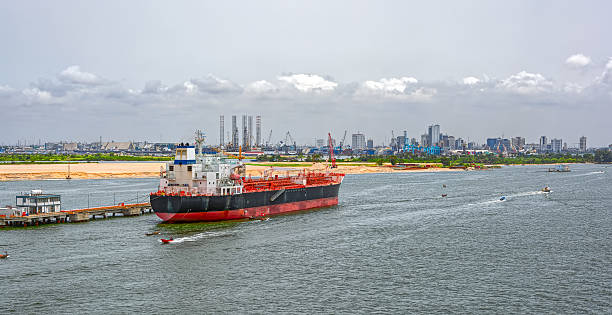
Hazardous materials freight shipping (HAZMAT logistics) in Nigeria refers to the transport of goods that are dangerous or risky to health, safety, property, or the environment. These include substances that require special permits, packaging, labeling, trained handlers, and approved transport systems.
Common examples include fuel, chemicals, gas cylinders, explosives, industrial waste, batteries, and medical radioactive materials.
⚠️ What Counts as Hazardous Cargo?
Hazardous materials are grouped into internationally recognized classes (UN system) such as:
- 💥 Explosives
- 🔥 Flammable liquids (petrol, diesel, chemicals)
- 🧪 Toxic and corrosive substances
- 🦠 Infectious medical waste
- ☢️ Radioactive materials
- 🧯 Compressed gases (oxygen, LPG cylinders)
- 🔋 Lithium batteries (large industrial shipments)
These goods are strictly regulated because they can cause fires, explosions, pollution, or health hazards during transport .
🚛 How Hazardous Freight is Transported in Nigeria
In Nigeria, hazardous materials are moved using:
🚚 Road Transport (Most Common)
- Specialized tankers and sealed trucks
- Used for fuel, gas, chemicals, industrial liquids
- Must follow safety rules from agencies like FRSC and NSC
✈️ Air Freight (Strictly Controlled)
- Only approved dangerous goods allowed
- Requires ICAO/IATA compliance, documentation, and packaging approval
🚢 Sea Freight (Ports)
- Used for bulk chemicals and industrial imports/exports
- Controlled by shipping lines and Nigerian port authorities
📜 Key Safety & Legal Requirements in Nigeria
Hazardous cargo shipping is regulated by several bodies:
- 🚦 FRSC (Road safety enforcement)
- 🚢 Nigerian Shippers’ Council (NSC)
- 🛫 Nigerian Civil Aviation Authority (NCAA)
- 🌊 NIMASA (Sea transport safety)
- 🌍 NESREA (Environmental protection)
Shipping hazardous goods without declaration or approval can lead to:
- Heavy fines
- Cargo seizure
- Legal penalties
- Serious safety risks
📦 Safety Rules for Hazardous Freight
Every shipment must follow strict standards:
- Proper UN classification and labeling
- Use of approved packaging (UN-certified containers)
- Clear hazard warning signs and documentation
- Trained personnel handling loading and transport
- Emergency response information included with cargo
💰 Cost of Hazardous Freight Shipping in Nigeria (2026 Estimate)
Prices vary widely based on risk level and distance:
- 🚚 Lagos intra-city chemical transport: ₦25,000 – ₦120,000
- 🚛 Lagos → Abuja hazardous cargo: ₦200,000 – ₦600,000+
- 🚛 Lagos → Port Harcourt: ₦180,000 – ₦500,000+
- 🏭 Industrial bulk chemical shipments: quoted per ton / contract basis
Costs increase due to:
- Insurance requirements
- Special packaging
- Security escort (sometimes required)
- Regulatory compliance handling
📌 Risks of Poor Handling
Improper hazardous transport can cause:
- Explosions or fire outbreaks
- Environmental pollution
- Human injury or death
- Legal prosecution
- Business shutdown or cargo confiscation
🔎 Travo.ng Logistics Insight (IMPORTANT)
For safer logistics planning in Nigeria:
👉 Travo.ng
On Travo.ng, users and businesses can:
- Connect with verified logistics providers
- Request freight transport quotes
- Compare companies handling special cargo
- Plan safe movement of sensitive goods
This helps reduce risk and ensures compliance with proper transport channels.
💡 Final Thoughts
Hazardous materials freight shipping in Nigeria is a highly regulated and safety-critical logistics sector. It requires certified operators, proper documentation, and strict compliance with national and international safety rules.
If handled correctly, it supports industries like oil & gas, pharmaceuticals, manufacturing, and agriculture, but mistakes can be extremely dangerous.
