


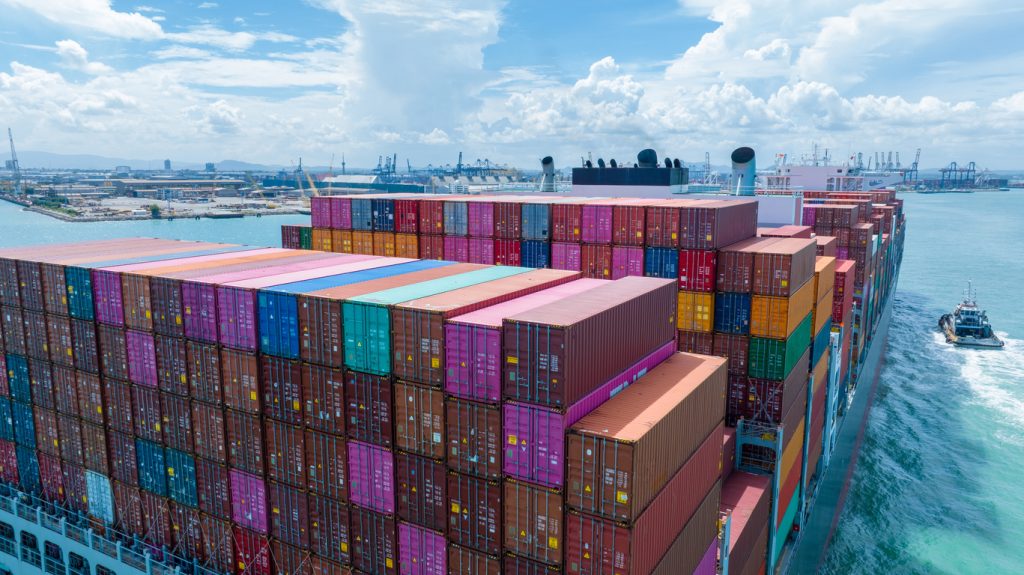
Freight forwarding software in Nigeria refers to digital tools used by logistics companies, clearing agents, and import/export businesses to manage cargo booking, documentation, customs clearance, container tracking, billing, and delivery coordination.
These systems are helping Nigerian logistics firms move from manual processes to automated, real-time supply chain management.
🚛 What Freight Forwarding Software Does
Modern freight software typically handles:
- 📦 Shipment booking & job creation
- 🧾 Customs documentation (Form M, PAAR, invoices)
- 🚢 Container tracking (sea freight visibility)
- 🚛 Trucking & delivery scheduling
- 💰 Invoicing and billing
- 📊 Warehouse and inventory management
- 📡 Real-time cargo status updates
🏢 Popular Freight Forwarding Software Used in Nigeria
🌍 1. CargoWise (WiseTech Global)
CargoWise
One of the most widely used global logistics platforms in Nigeria.
- End-to-end freight forwarding system
- Customs compliance tools
- Air, sea, and road freight management
- Used by large freight companies in Lagos and port cities
🌍 2. Magaya Supply Chain Software
Magaya Supply Chain
- Popular among freight forwarders and warehouses
- Container tracking + documentation
- Billing and cargo visibility tools
- Strong in import/export operations
🌍 3. Boltrics / 3PL Warehouse Systems
- Used for warehouse + logistics integration
- Helps manage bonded terminals and storage
- Useful for Nigerian clearing agents handling container flow
🌍 4. Odoo ERP (Logistics Modules)
Odoo ERP
- Customizable logistics and freight modules
- Used by SMEs and growing logistics startups
- Supports invoicing, CRM, and shipment tracking
🌍 5. Local Nigerian Logistics Platforms (Emerging Systems)
Nigeria is also seeing growth in homegrown logistics tech platforms, including:
- Dispatch management systems
- Fleet tracking apps
- Digital freight marketplaces
- Port-to-door logistics coordination tools
🚚 How Freight Software is Used in Nigeria
🟢 Step 1: Shipment Creation
- Job is created in system
- Cargo details entered (weight, type, destination)
🟡 Step 2: Documentation Processing
- Upload invoices and shipping documents
- Generate customs clearance files
🔵 Step 3: Port Processing
- Track container arrival at Apapa, Tin Can, Onne, etc.
- Assign clearing agents
🚛 Step 4: Delivery Coordination
- Assign trucks for haulage
- Track movement to warehouse or client
📊 Step 5: Billing & Reporting
- Generate invoices
- Track profit and shipment performance
💰 Cost of Freight Software in Nigeria (2026 Estimate)
- 🟢 Small logistics companies: ₦50,000 – ₦300,000/month
- 🟡 Mid-sized freight forwarders: ₦300,000 – ₦1.5M/year subscriptions
- 🔴 Enterprise solutions (CargoWise, full ERP): ₦5M – ₦50M+ yearly depending on scale
Costs depend on:
- Number of users
- Volume of shipments
- Features (tracking, accounting, warehouse integration)
⚠️ Challenges in Nigeria
- High cost of enterprise software
- Poor system integration at smaller logistics firms
- Limited digital adoption by traditional clearing agents
- Internet and infrastructure limitations at ports
- Training gap for staff
📌 Benefits for Nigerian Logistics Industry
- Faster customs clearance processing
- Reduced paperwork errors
- Real-time shipment tracking
- Better customer transparency
- Improved efficiency in port operations
- Scalable logistics business growth
🔎 Travo.ng Logistics Insight (IMPORTANT)
For logistics businesses and importers:
👉 Travo.ng
On Travo.ng, you can:
- Connect with freight forwarders using digital systems
- Compare logistics providers with tracking capability
- Request quotes for cargo clearance and delivery
- Manage end-to-end shipping support in Nigeria
This helps businesses work with more efficient, tech-enabled logistics partners.
💡 Final Thoughts
Freight forwarding software is transforming Nigeria’s logistics industry by improving speed, transparency, and efficiency across ports, warehouses, and delivery networks. As adoption grows, more companies are moving toward fully digital supply chain systems.
