


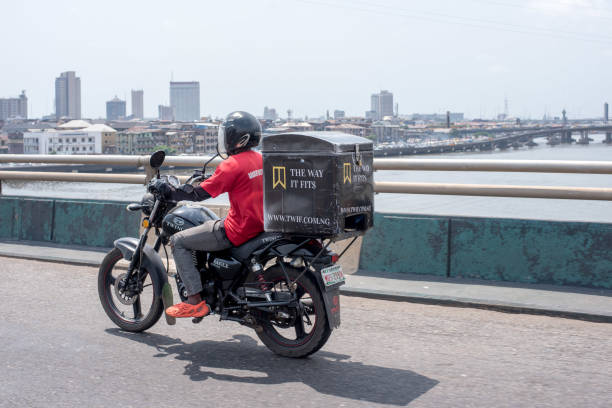
A logistics business in Nigeria refers to any company or service that helps people or businesses move goods, parcels, or cargo from one location to another. It can be as small as a dispatch rider service or as large as a national freight and supply chain company.
Travo.ng explains this as a movement-based business system that connects suppliers, traders, and customers through transportation, storage, and delivery networks.
1. What a Logistics Business Does
A typical logistics business handles:
- 📦 Parcel and package delivery
- 🚚 Cargo and freight transportation
- 🏪 Market-to-customer delivery
- 🏬 Warehousing and storage
- 🚴 Dispatch rider services (last-mile delivery)
- 🧾 Order fulfillment for businesses and online sellers
👉 The main goal is simple: move goods efficiently from sender to receiver.
2. Types of Logistics Businesses in Nigeria
🚴 1. Dispatch / Last-Mile Delivery
- Motorbike riders (Gokada-style, courier riders)
- Fast delivery within cities (same-day or next-day)
🚐 2. Intercity Transport Logistics
- Bus companies carrying parcels between states
- Example model: waybill systems in motor parks
🚚 3. Freight / Cargo Logistics
- Trucks and trailers for bulk goods
- Used for industrial, agricultural, and commercial shipping
📱 4. Tech-Based Logistics Platforms
- App-based delivery services
- Real-time tracking and booking systems
🏢 5. Corporate Logistics Companies
- Large firms handling supply chains for businesses
- Warehousing + distribution + transportation
3. How Logistics Businesses Work
- Customer places order or request
- Pickup is scheduled (rider, van, or truck)
- Goods are transported via road, air, or sea
- Tracking (if available) monitors movement
- Delivery is completed to receiver
4. Key Services Offered
- 📦 Same-day delivery
- 🚚 Interstate shipping
- 🏪 Market pickup and delivery
- 📦 Bulk cargo transport
- 🧳 Personal parcel delivery
- 🏬 Business-to-business logistics
5. Key Features of Logistics Businesses
- Movement-focused operations
- Time-sensitive delivery systems
- Network of riders, drivers, or transport hubs
- Pricing based on distance and weight
- Increasing use of mobile apps in modern systems
6. Advantages
- Helps businesses sell beyond their location
- Saves time for customers and traders
- Supports e-commerce growth in Nigeria
- Enables interstate trade and distribution
- Creates employment (drivers, riders, agents)
7. Challenges in Nigeria Logistics Industry
- Poor road infrastructure
- Traffic delays in major cities
- High fuel and vehicle maintenance costs
- Security risks on some routes
- Limited tracking in traditional systems
- Fragmented market (many small operators)
8. Who Uses Logistics Services?
- Online sellers (Instagram, WhatsApp, e-commerce)
- Market traders
- SMEs and wholesalers
- Corporate businesses
- Individuals sending personal items
9. Travo.ng Logistics Insight
From a logistics perspective, the industry in Nigeria is divided into three major layers:
- 🚴 Urban delivery layer (dispatch riders, same-city delivery)
- 🚐 Intercity transport layer (motor park waybill systems)
- 🚚 Heavy freight layer (trucks and supply chain logistics)
Travo.ng positions logistics businesses as the backbone of trade in Nigeria, enabling movement between markets, cities, and regions.
