


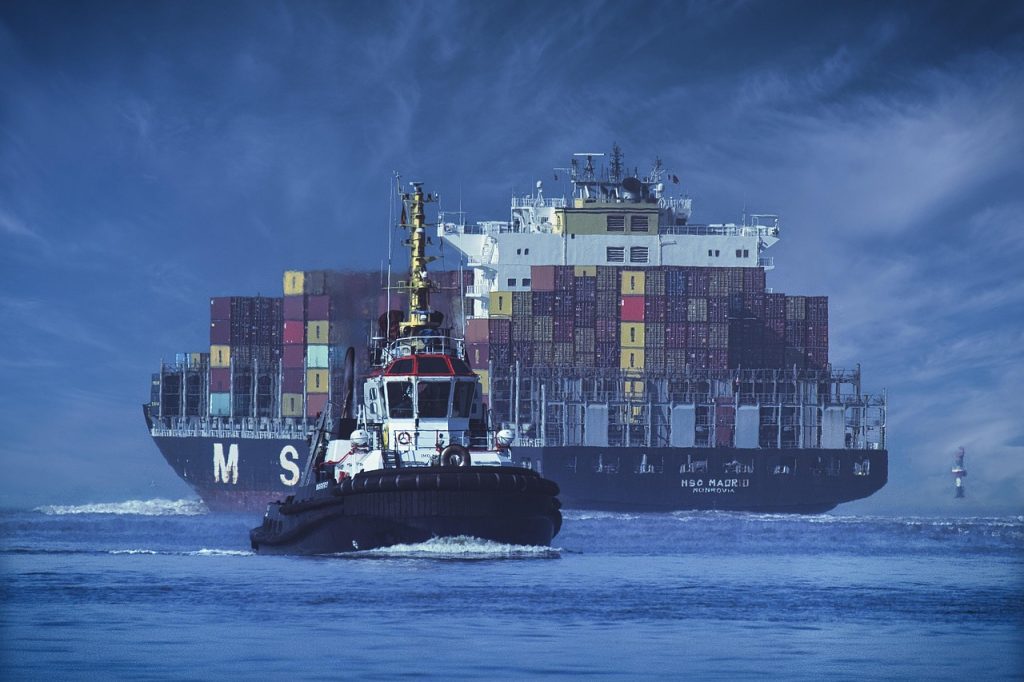
Nigeria’s logistics landscape is changing rapidly, and one of the biggest developments driving that change is the growth of operations around Lekki Deep Sea Port. For businesses involved in petroleum products, industrial supplies, marine services, and large-scale cargo movement, understanding Lekki deep sea port fuel logistics has become increasingly important.
As more cargo vessels arrive through the port and industrial activity expands across the Lekki Free Zone, efficient fuel supply and transportation systems are becoming critical to keeping operations running smoothly. Whether you are moving fuel for construction projects, supplying marine vessels, supporting manufacturing facilities, or coordinating interstate distribution, logistics planning can directly affect costs, delivery timelines, and operational efficiency.
Why Fuel Movement Around Lekki Requires Careful Planning
Unlike smaller cargo operations, fuel transportation involves strict handling procedures, specialized vehicles, and route planning.
A common challenge many businesses face is coordinating fuel deliveries while dealing with:
- Heavy traffic around the Lekki-Epe corridor
- Port access restrictions
- Loading and discharge schedules
- Regulatory compliance requirements
- Seasonal demand fluctuations
For example, during peak import periods, delays at loading points can affect downstream deliveries across Lagos and neighboring states. Companies that rely on fuel for generators, fleet operations, or industrial equipment often need contingency plans to avoid disruptions.
This is where experienced logistics coordination becomes valuable.
The Growing Demand for Fuel Logistics Near Lekki Deep Sea Port
The port’s strategic location has created new opportunities for businesses operating within:
- Lekki Free Zone
- Dangote Refinery corridor
- Ibeju-Lekki industrial developments
- Marine support services
- Construction and infrastructure projects
As industrial activities continue to expand, the demand for dependable fuel transportation has increased significantly.
Many organizations now require scheduled fuel movement from storage facilities to operational sites across Lagos, Ogun State, and other commercial hubs.
In some cases, deliveries must be completed within narrow operational windows to prevent project delays or production interruptions.
What Affects Fuel Delivery Costs?
One of the most common questions businesses ask is how much fuel logistics actually costs.
While pricing varies depending on the specific operation, several factors influence transportation expenses:
- Distance between loading and delivery points
- Volume of fuel being transported
- Type of tanker required
- Security and escort requirements
- Traffic conditions and route complexity
- Delivery timing and urgency
For example, a fuel movement within the Lekki corridor will typically cost less than transporting the same volume to locations such as Abuja, Kano, or Port Harcourt.
Businesses should also account for waiting times, loading schedules, and potential delays during peak operational periods.
Common Mistakes That Lead to Delivery Delays
Over the years, logistics operators have identified several recurring issues that affect fuel transportation projects.
Some of the most common include:
- Booking transport at the last minute
- Underestimating traffic conditions
- Failing to confirm site accessibility
- Incomplete documentation
- Lack of contingency planning
A manufacturing company that schedules deliveries without considering weekend traffic restrictions, for instance, may experience costly downtime while waiting for supplies to arrive.
Careful planning often prevents these avoidable disruptions.
Supporting Business Operations Beyond Fuel Transportation
Fuel logistics rarely operates in isolation.
Businesses often require additional support services alongside cargo movement, including:
- Staff transportation
- Vehicle hire
- Airport pickup coordination
- Hotel reservations for project teams
- Interstate transport arrangements
- General cargo logistics
This is why many organizations prefer working with providers that understand the broader logistics ecosystem rather than focusing on transportation alone.
Through Travo.ng, businesses can coordinate transport-related services that support ongoing projects, staff movement, and operational logistics across Nigeria.
Choosing a Logistics Partner for Port-Based Operations
Not every logistics provider is equipped to manage operations connected to a major port environment.
When evaluating a service provider, businesses should consider:
- Knowledge of local routes
- Experience with industrial logistics
- Fleet availability
- Delivery tracking capabilities
- Operational responsiveness
- Understanding of Nigerian transport realities
The ability to adapt quickly to changing conditions is often more valuable than simply offering the lowest price.
A delayed fuel delivery can affect construction timelines, vessel schedules, manufacturing output, and commercial operations. Reliability matters.
Navigating the Future of Lekki Deep Sea Port Fuel Logistics
As industrial activity continues to expand around Lekki Deep Sea Port, fuel transportation will remain a key part of Nigeria’s growing supply chain network.
Businesses that invest in proper logistics planning, reliable transportation partners, and efficient scheduling processes are better positioned to reduce delays and control operating costs.
For organizations operating within the Lekki corridor or managing fuel-dependent projects across Nigeria, having access to dependable logistics coordination can make a significant difference. Travo.ng supports businesses with practical transport and logistics solutions designed to help keep operations moving efficiently.
