


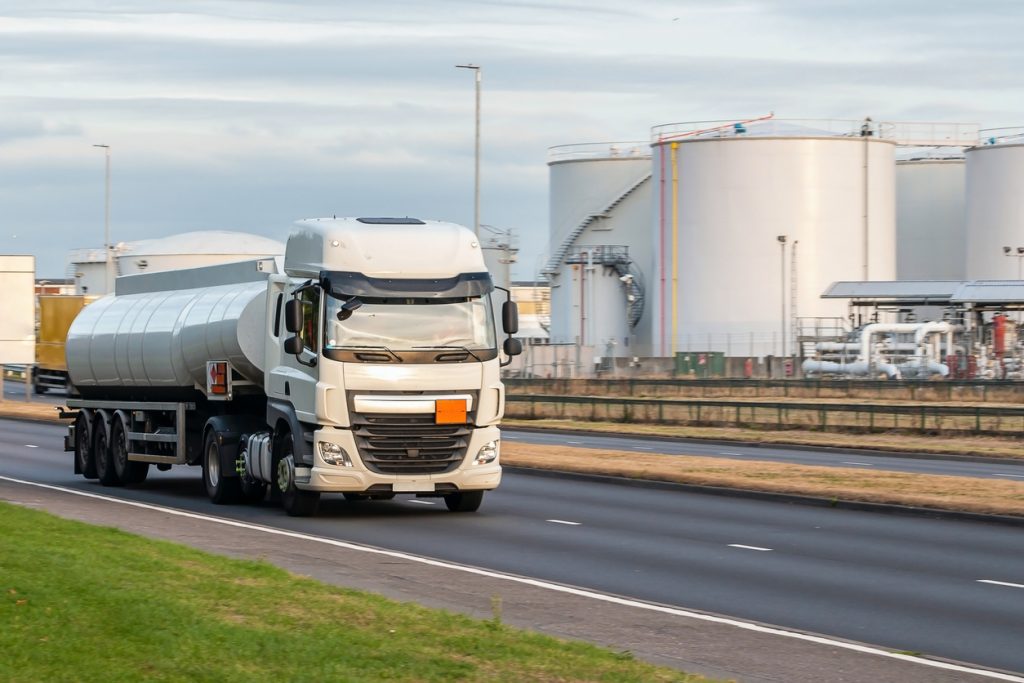
Fuel transport for mining operations in Nigeria is not the kind of logistics you handle casually. A mining site can have excavators, generators, drilling machines, haulage trucks, pumps, and camp facilities all depending on steady diesel supply. Once fuel is delayed, the whole operation can slow down within hours.
For many mining companies working in places like Nasarawa, Kogi, Zamfara, Niger, Plateau, Ebonyi, and parts of Kaduna, the real challenge is not just buying diesel. It is moving it safely, on time, and in the right quantity to sites that may be far from major depots or good roads.
That is where proper fuel logistics planning makes a big difference.
Moving fuel to mining sites is different from normal delivery
Delivering fuel to a mining location is not the same as sending a parcel from Lagos to Abuja or booking a regular truck. Mining fuel movement often involves:
- Long-distance haulage from depots or suppliers
- Poor road access near the final site
- Security planning on remote corridors
- Accurate quantity documentation
- Safe handling of diesel or industrial fuel
- Coordination with site managers before arrival
A 33,000-litre diesel tanker going to a mining site in Kogi or Niger State may need route checks, driver communication, offloading arrangements, and standby support if the road condition changes. Without this coordination, delays can become expensive very quickly.
What mining companies usually need fuel for
Most mining sites in Nigeria rely heavily on diesel because grid power is either unstable or unavailable. Fuel is commonly needed for:
- Heavy-duty generators
- Excavators and bulldozers
- Crushers and processing equipment
- Water pumps
- Haulage trucks
- Site vehicles
- Temporary worker camps
Even a medium-sized mining site can consume thousands of litres weekly, depending on the number of machines running. This is why many operators prefer scheduled fuel supply rather than emergency buying when the tank is almost empty.
Common problems with fuel transport in Nigerian mining areas
One mistake some companies make is focusing only on the fuel price. The cheaper supplier is not always the better option if delivery is unreliable.
Common issues include:
- Tankers arriving late because the route was poorly planned
- Drivers unfamiliar with remote mining roads
- Incomplete delivery documentation
- Fuel shortages during peak demand periods
- No backup plan when a vehicle breaks down
- Poor coordination between supplier, transporter, and site team
For example, a mining site expecting fuel on Monday morning may lose a full production day if the tanker is still stuck on the road by afternoon. The cost of idle machines can be higher than the small amount saved on transport.
How Travo.ng supports mining fuel logistics
Travo.ng helps businesses coordinate practical logistics services across Nigeria, including transport support for industries that need reliable movement of goods, equipment, and operational supplies.
For fuel transport for mining operations in Nigeria, Travo.ng can assist with planning the right movement schedule, coordinating suitable transport partners, and helping businesses manage delivery expectations from pickup to arrival.
This is useful for companies that need:
- Diesel delivery coordination to mining locations
- Interstate logistics planning
- Transport support for industrial operations
- Cargo movement to remote project sites
- Regular delivery scheduling
- Business logistics support across Nigerian routes
Instead of handling every call between supplier, driver, and site manager yourself, you can work with a logistics partner that understands Nigerian movement realities.
What affects the cost of fuel transport
The cost of moving fuel to a mining site depends on several practical factors. These include:
- Distance from depot or supplier
- Tanker capacity
- Road condition
- Security risk on the route
- Waiting time at loading or offloading point
- Urgency of delivery
- Number of trips required monthly
A site closer to Abuja, Lokoja, or Jos may be easier to serve than a remote location with rough access roads. For regular supply, many businesses also negotiate scheduled movement, which can be more efficient than booking emergency trips every time fuel runs low.
Planning fuel deliveries before production stops
The best time to arrange fuel transport is not when the tank is almost empty. Mining companies should monitor usage patterns and create a delivery plan based on actual consumption.
A practical approach is to:
- Track daily diesel usage.
- Set a minimum reorder level.
- Confirm supplier availability early.
- Book transport before peak demand periods.
- Share clear site directions with the logistics team.
- Keep someone available for offloading confirmation.
This simple planning helps reduce downtime and avoids last-minute transport pressure.
Book fuel transport support with Travo.ng
Mining operations need fuel logistics that are safe, timely, and properly coordinated. Whether your site is in North Central Nigeria, the South East, or another active mining corridor, reliable transport planning can protect your production schedule.
Travo.ng provides practical logistics, cargo movement, transport coordination, and business delivery support for companies operating across Nigeria.
For fuel transport for mining operations in Nigeria, you can contact Travo.ng to schedule logistics support, discuss your route, and arrange a movement plan that fits your site operations.
