


Updated 28 September 2026 · Travo.ng
Quick answer
There is no official cargo rate card in Nigeria; you pay what the haulier quotes for your load, truck and route. Published guides put daily truck hire at about ₦15,000–₦30,000 for a 1–2 tonne mini truck within a city, rising to ₦250,000–₦350,000 a day for a container truck on interstate work. Moving a 40ft container from Apapa to a Lagos warehouse has been reported anywhere from ₦350,000 to ₦900,000 since late 2024, depending on port congestion. With diesel above ₦2,000 a litre in September 2026, get a fresh quote for every job.
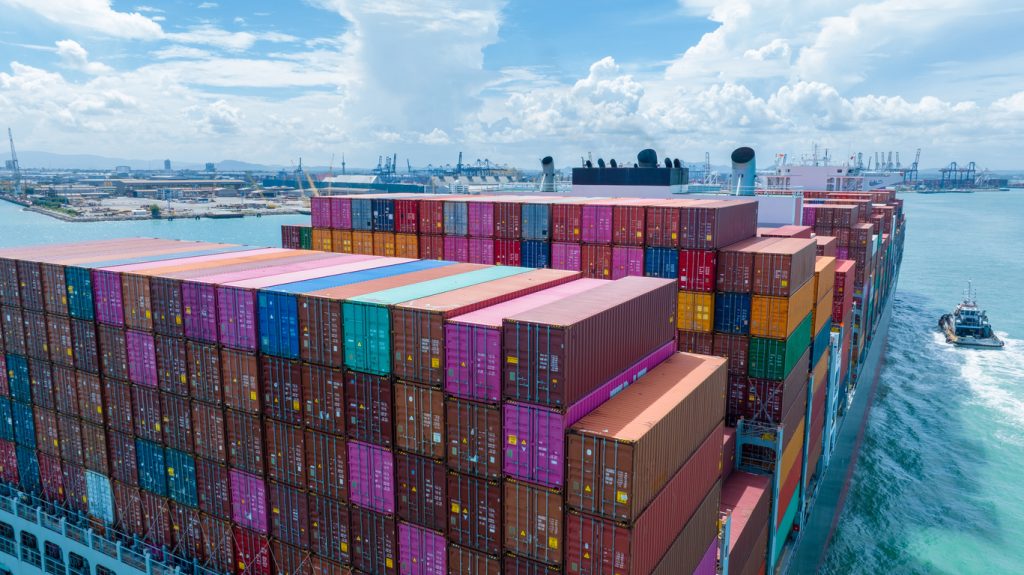
Truck hire rates in Nigeria
| Truck type | Capacity | Within a city (per day) | Interstate (per day) |
|---|---|---|---|
| Mini truck | 1–2 tonnes | ₦15,000–₦30,000 | ₦40,000–₦70,000 |
| Small truck | 3–5 tonnes | ₦30,000–₦50,000 | ₦70,000–₦100,000 |
| Medium truck | 6–10 tonnes | ₦50,000–₦80,000 | ₦100,000–₦150,000 |
| Large truck | 11–20 tonnes | ₦80,000–₦120,000 | ₦150,000–₦250,000 |
| Flatbed | 10–30 tonnes | ₦100,000–₦150,000 | ₦200,000–₦300,000 |
| Container truck | 20–40 ft | ₦120,000–₦180,000 | ₦250,000–₦350,000 |
Source: Viscorner truck hire guide, 3 September 2025. Diesel has risen since, so treat these as a floor rather than a current quote.
These are day rates. Long interstate trips are usually quoted per trip, which folds in the driver’s return journey, tolls, loading time and security. A quote that looks cheap per day may cost more once the empty return is added.
40ft and 20ft container haulage from Lagos ports
Container moves out of Apapa and Tin Can are the most reported cargo prices in Nigeria, and they swing sharply with congestion and the Eto call-up system:
| Date reported | Move | Cost reported | Source |
|---|---|---|---|
| Nov 2024 | 40ft, Apapa → Lagos warehouse | ₦700,000 (up from about ₦350,000 two weeks earlier) | BusinessDay |
| Nov 2024 | 20ft, Apapa → Lagos warehouse | Up to ₦450,000 (from ₦200,000–₦250,000) | BusinessDay |
| Apr 2025 | 40ft, Apapa → Alaba / Aspanda | ₦880,000–₦900,000 | The Guardian |
| Apr 2025 | 40ft, Tin Can → same area | ₦350,000 | The Guardian |
| Apr 2025 | 40ft, Lekki Port → same area | ₦550,000 | The Guardian |
| Apr 2025 | 20ft, Apapa | ₦400,000 | The Guardian |
| Jul 2025 | Per container, Apapa (ANLCA chairman) | Down to ₦350,000 from ₦1.2 million | The Guardian |
These are figures quoted by agents and hauliers at the time, not official tariffs. We found no newer published 2026 haulage figures for these moves.
The lesson from these reports: which port your container lands at, and the state of the call-up queue that week, can matter more than distance. The Guardian reported in April 2025 that some truckers were paying ₦250,000–₦300,000 for Eto call-up tickets sold outside the official system, according to AMATO. Those costs end up in your haulage bill.
Exporting a container from Apapa: 2026 costs
For exporters, trucking is only one line. Nairametrics’ May 2026 breakdown of the cost of shipping a container out of Apapa lists:
| Cost item | Estimated cost (2026) |
|---|---|
| Freight forwarding | ₦200,000–₦250,000 per container |
| Container stuffing | ₦130,000–₦150,000 |
| Terminal handling | ₦100,000–₦120,000 per container |
| Inspections | ₦100,000–₦150,000 per container |
| Certificates (origin, fumigation, phytosanitary) | ₦25,000–₦40,000 |
| NXP processing | About ₦8,000 per transaction |
| NESS fee | 0.5% of FOB value |
| Sea freight, 20ft, to UK or EU | €1,000–€2,000 |
Source: Nairametrics, 31 May 2026.
What is a CIF Lagos price?
CIF means cost, insurance and freight. A CIF Lagos price from an overseas seller covers the goods plus sea or air freight and insurance up to the Lagos port. It does not include port charges, customs duty, clearing, or the truck from the port to your warehouse. When you compare CIF quotes, add local haulage using the port figures above, plus clearing costs, to get your landed cost.
What drives cargo transport prices
- Diesel. Retail diesel rose to ₦2,000–₦2,020 a litre in Abuja in September 2026, from ₦1,700–₦1,800, and depot prices rose to about ₦1,900 (P.M. News).
- Truck size and type. Flatbeds, lowbeds and container trucks cost more than box trucks, and a half-empty large truck wastes money.
- Distance and return load. Hauliers price in the empty trip back if they cannot find a return load.
- Port congestion. Waiting days at Apapa can double a container move, as the reports above show.
- Goods type. Fragile, high-value, refrigerated or hazardous cargo needs special handling and insurance.
- Security and escorts. Heavy or high-value loads on some routes need escorts, which adds cost.
Which truck do you need?
Travo’s haulage service covers these truck classes, with typical distances and transit times on popular routes:
| Truck | Payload | Best for |
|---|---|---|
| Mini van or pickup | Up to 1.5 t | Intra-city deliveries |
| Box truck | 5–10 t | City and interstate goods |
| Flatbed | Up to 30 t | Building materials, machinery |
| Container truck | 20ft and 40ft | Port pickups and deliveries |
| Lowbed trailer | Up to 60 t | Heavy equipment, with escorts |
| Sidewall or bulk truck | Up to 30 t | Long-distance bulk loads |
Source: Travo haulage page. Route guide on the same page: Lagos–Abuja about 750 km, 1–2 days; Lagos–Port Harcourt about 610 km, 1–2 days; Lagos–Kano about 1,000 km, 2–3 days; Lagos–Onitsha about 420 km, 1 day.
Air cargo within Nigeria
For urgent, lighter goods, express couriers are an alternative to trucks. DHL Express, for example, offers domestic services in Nigeria including Express Domestic (end of day, up to 70 kg per piece) and a Same Day service for pieces up to 25 kg, according to DHL Nigeria. Prices are by quote. See shipping goods within Nigeria by air for more options.
How to get an accurate cargo quote
- Weigh and measure your load, or count pallets and cartons.
- Give exact pickup and drop-off addresses, and say whether loading help is needed.
- For containers, give the port, container size, and whether it is laden or empty.
- Ask what is included: fuel, tolls, loading, offloading, insurance and waiting time.
- Get two or three quotes and pay only after the price and the truck type are confirmed in writing.
Need a truck or container move?
Tell us the load, the route and the date. We will match a suitable truck and confirm the price before you pay.
Frequently asked questions
How much does it cost to move a 40ft container in Lagos?
Reported costs from Apapa to Lagos warehouses ranged from about ₦350,000 to ₦900,000 between late 2024 and mid-2025, depending on congestion and the port. We found no newer published figure, so get a current quote.
What is the trucking price per day in Nigeria?
A 2025 guide put daily hire at ₦15,000–₦30,000 for a mini truck within a city up to ₦250,000–₦350,000 for a container truck on interstate work. Diesel has risen since.
How much is a truck from Lagos to Abuja?
It depends on the truck and load. Lagos to Abuja is about 750 km and 1–2 days by truck. Interstate day rates for large trucks were ₦150,000–₦250,000 in 2025, but long hauls are usually priced per trip, so ask for a trip quote.
What does CIF Lagos mean?
Cost, insurance and freight to Lagos port. It excludes port charges, duty, clearing and inland haulage.
Why is Apapa haulage so expensive?
Congestion, checkpoints and call-up delays. The Guardian reported unofficial call-up tickets selling for ₦250,000–₦300,000 per truck in 2025.
Is cargo insurance necessary?
For valuable goods, yes. Ask your haulier what cover is included and get goods-in-transit insurance if it is not.
Related guides
- Lagos port container transport from Apapa and Tin Can
- Truck prices in Nigeria
- Book a van or truck anywhere in Nigeria
- Car transport cost in Nigeria
- Customs clearance for air freight
- Refrigerated truck services
Sources: Viscorner (3 Sep 2025); BusinessDay (6 Nov 2024); The Guardian (2 Apr 2025 and 1 Jul 2025); Nairametrics (31 May 2026); P.M. News (5 Sep 2026); DHL Nigeria delivery services; Travo haulage page. Fares and prices change often — confirm before you travel or pay.
