


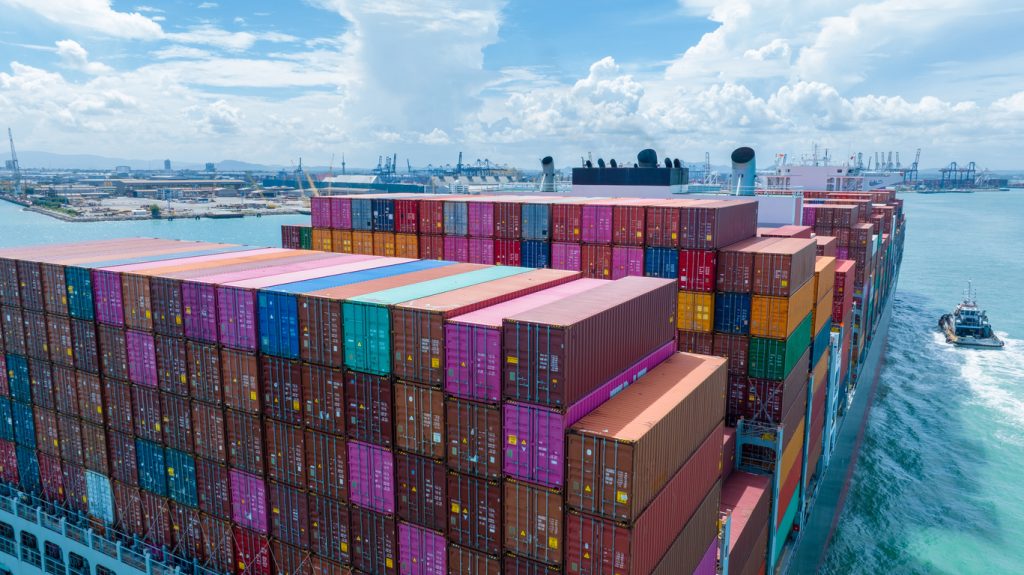
An import inventory shortage in Nigeria occurs when the actual stock of imported goods available in a warehouse or distribution point is less than what was expected based on purchase orders, shipping documents, or system records. This is common in supply chains that pass through Apapa Port, Tin Can Island Port, Lekki Port, and various bonded or private warehouses.
In simple terms, it means your imported goods are fewer than what your inventory records say you should have.
Types of Import Inventory Shortage
1. Physical Inventory Shortage
- Actual goods in warehouse are fewer than recorded
- Discovered during stock count
2. Documentation Inventory Shortage
- Records show full quantity
- Physical stock is lower
3. Transit-Linked Inventory Shortage
- Loss occurs during shipping or offloading
- Missing goods before warehouse entry
4. System Inventory Discrepancy
- ERP or stock system mismatch
- Data entry or tracking errors
Major Causes of Import Inventory Shortage in Nigeria
1. Cargo Theft or Pilferage
- Goods stolen during transit
- Container tampering at ports or highways
- Warehouse shrinkage
2. Short Shipment from Supplier
- Supplier sends fewer goods than ordered
- Missing cartons from origin country
3. Handling and Offloading Errors
- Misplaced cartons during unloading
- Wrong storage allocation
- Human error in warehouse handling
4. Documentation Errors
- Invoice or packing list mismatch
- Incorrect quantity recording
5. Poor Inventory Management
- Inaccurate stock recording
- Lack of proper tracking systems
- Weak warehouse controls
6. Damage or Spoilage
- Goods damaged and discarded without record
- Contaminated or expired products removed
Effects of Import Inventory Shortage
1. Financial Loss
Businesses may experience:
- Lost sales revenue
- Unaccounted stock value
- Reordering costs
2. Supply Chain Disruption
Leads to:
- Stockouts
- Delayed customer deliveries
- Production stoppages
3. Poor Business Decisions
Incorrect inventory data leads to:
- Wrong procurement planning
- Overstocking or understocking
4. Customer Dissatisfaction
- Orders cannot be fulfilled
- Delivery delays increase
5. Increased Operational Costs
Includes:
- Emergency procurement
- Freight and logistics adjustments
- Audit and investigation costs
Common Import Inventory Shortage Scenarios in Nigeria
- Container cleared at Apapa arrives with fewer cartons in warehouse
- ERP system shows stock, but physical inspection reveals shortage
- Goods disappear during truck movement from port to warehouse
- Warehouse audit reveals missing imported electronics or FMCG items
How to Prevent Import Inventory Shortage
1. Strong Cargo Verification
Check goods at every stage:
- Origin loading
- Port arrival
- Warehouse entry
2. Accurate Documentation Matching
Ensure consistency between:
- Invoice
- Packing list
- Bill of lading
- Warehouse receipt
3. Use Inventory Management Systems
Adopt:
- Barcode tracking
- ERP systems
- Real-time stock updates
4. Secure Logistics Handling
Work with trusted:
- Freight forwarders
- Haulage companies
- Warehouse operators
5. Regular Stock Audits
Conduct:
- Cycle counting
- Monthly inventory checks
- Reconciliation reports
6. Seal and Container Tracking
- Record seal numbers
- Inspect containers on arrival
How to Resolve Import Inventory Shortage
1. Confirm the Shortage
Compare:
- System records
- Physical stock count
- Shipping documents
2. Trace Shipment History
Identify where loss occurred:
- Supplier stage
- Transit stage
- Warehouse stage
3. Collect Evidence
Include:
- Photos and videos
- Delivery documents
- Inspection reports
4. Raise Claims
Depending on cause:
- Supplier claim
- Carrier claim
- Insurance claim
5. Implement Corrective Actions
- Improve warehouse control
- Strengthen supplier verification
- Upgrade tracking systems
Role of Insurance
Cargo insurance may cover:
- Theft during transit
- Physical loss of goods
- Damage leading to stock reduction
However, internal warehouse errors or system mismanagement are usually not covered.
How Travo.ng Supports Import Logistics in Nigeria
Import inventory shortages often start with weak logistics visibility. Reliable movement and handling reduce these risks significantly.
Travo.ng supports businesses across Nigeria through:
- Cargo pickup from Apapa, Tin Can, and Lekki ports
- Nationwide transportation services
- Interstate logistics coordination
- Commercial cargo delivery
- Distribution support for businesses
- Last-mile delivery solutions
Efficient logistics improves stock accuracy and reduces inventory loss risks.
Final Insight
Import inventory shortage in Nigeria happens when imported goods are fewer than expected due to theft, supplier issues, handling errors, or poor inventory control. Strong verification systems, accurate documentation, and reliable logistics partners are essential to maintaining accurate stock levels.
