


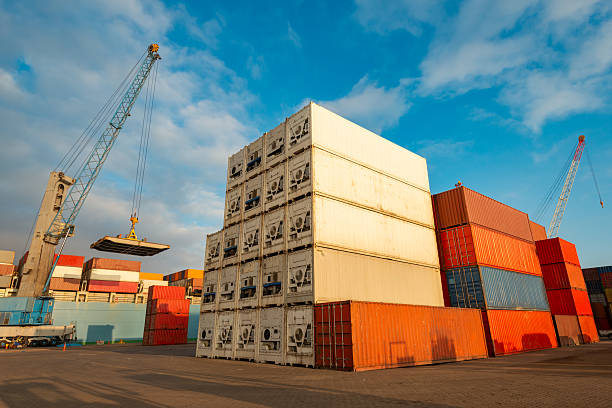
Importing fast-moving consumer goods into Nigeria is rarely just about getting a container onto a vessel and waiting for it to arrive. The real pressure often begins when the shipment reaches the port.
For companies importing packaged foods, beverages, toiletries, household products and other consumer goods, customs clearing for FMCG Nigeria requires accurate documentation, proper product classification and close coordination between clearing, transport and delivery teams.
A small documentation mistake can turn a routine shipment into days of storage charges and delayed stock availability. For FMCG businesses working with tight inventory cycles, that delay can affect distributors, retailers and customers almost immediately.
What Usually Slows FMCG Cargo at Nigerian Ports
Many clearance delays can be traced back to issues that should have been addressed before the shipment arrived.
Common problems include:
- Incorrect HS code classification
- Differences between invoices, packing lists and shipping documents
- Missing product permits or regulatory approvals
- Incorrect declarations of quantity or cargo value
- Delays arranging examinations or inspections
- Slow payment of applicable duties and charges
- Waiting too long to arrange trucks for cargo evacuation
FMCG shipments can involve additional regulatory attention because many products are consumed or used directly by the public.
Depending on the type of goods, importers may need documentation involving agencies such as NAFDAC, SON or other relevant regulatory authorities before customs clearance can proceed smoothly.
The practical approach is to review these requirements before the vessel reaches Lagos, Onne or another Nigerian port.
Prepare Your Documents Before the Vessel Arrives
Waiting until cargo has landed before checking paperwork is an expensive habit.
A typical shipment may involve documents such as the commercial invoice, packing list, bill of lading, Form M documentation, PAAR and applicable product approvals.
Names, quantities, descriptions and declared values should correspond across documents.
For example, if the invoice describes an item differently from the shipping document or regulatory approval, the discrepancy may need to be resolved before clearance continues.
For businesses importing several FMCG product lines in one container, documentation becomes even more important because different products may attract different classifications or regulatory requirements.
Customs Clearing for FMCG Nigeria Should Include Delivery Planning
Clearing the cargo is only one part of the movement.
Once a container is released, someone still needs to coordinate evacuation from the terminal and transport it to the importer’s warehouse, distributor or fulfilment location.
This matters particularly around Lagos ports, where traffic around Apapa and Tin Can can affect truck turnaround times.
A business receiving goods at a warehouse in Ikeja, Isolo, Oregun or along the Lagos-Ibadan corridor should ideally arrange delivery capacity before final release.
For interstate distribution, planning becomes more important.
A shipment cleared in Lagos may need to move immediately to Abuja, Kano, Port Harcourt, Benin City or another commercial market. Delays between port clearance and inland transportation can create additional costs and disrupt replenishment schedules.
Travo.ng can support this wider logistics process through cargo coordination, transport arrangements and business logistics support instead of treating customs clearance as an isolated activity.
What Does FMCG Customs Clearance Cost?
There is no single clearing price that applies to every FMCG shipment.
The final cost depends on factors such as:
- Product classification
- Declared cargo value
- Applicable import duty
- Port and terminal charges
- Regulatory requirements
- Container size
- Inspection requirements
- Storage or demurrage exposure
- Inland transportation destination
This is why extremely cheap clearing quotations should be examined carefully.
A useful quotation should clearly distinguish government duties, terminal-related charges, professional clearing costs and transportation expenses where applicable.
Businesses should also budget for unexpected delays rather than assuming every container will leave the port immediately after arrival.
Avoid Letting Demurrage Eat Into Your Margin
FMCG businesses usually work on volume, distribution speed and relatively tight margins.
That makes unnecessary demurrage and storage charges particularly damaging.
Imagine importing stock intended for supermarket distribution before a festive sales period. If documentation problems keep the container at the terminal for another week, the business may face additional port costs while also missing the strongest retail demand window.
The best defence is preparation.
Confirm documentation early, understand regulatory requirements, track the shipment closely and have inland transport ready once release is obtained.
Coordinating the Entire Movement Through Travo.ng
Businesses often benefit from having fewer disconnected vendors managing a shipment.
Travo.ng can help coordinate customs clearing alongside related cargo logistics and transportation requirements, including movement from the port to warehouses or onward destinations.
Companies distributing goods across multiple Nigerian cities can also arrange business logistics support instead of finding a different transporter every time stock needs to leave Lagos.
The objective is simple: reduce the gap between cargo arrival, customs release and final delivery.
For importers searching for dependable customs clearing for FMCG Nigeria, the most important consideration is not simply how quickly paperwork can be processed. It is whether the entire movement has been planned properly.
With documentation prepared before arrival, regulatory requirements confirmed and transport arranged in advance, FMCG cargo can move from Nigerian ports into the supply chain with fewer avoidable delays and costs.
