


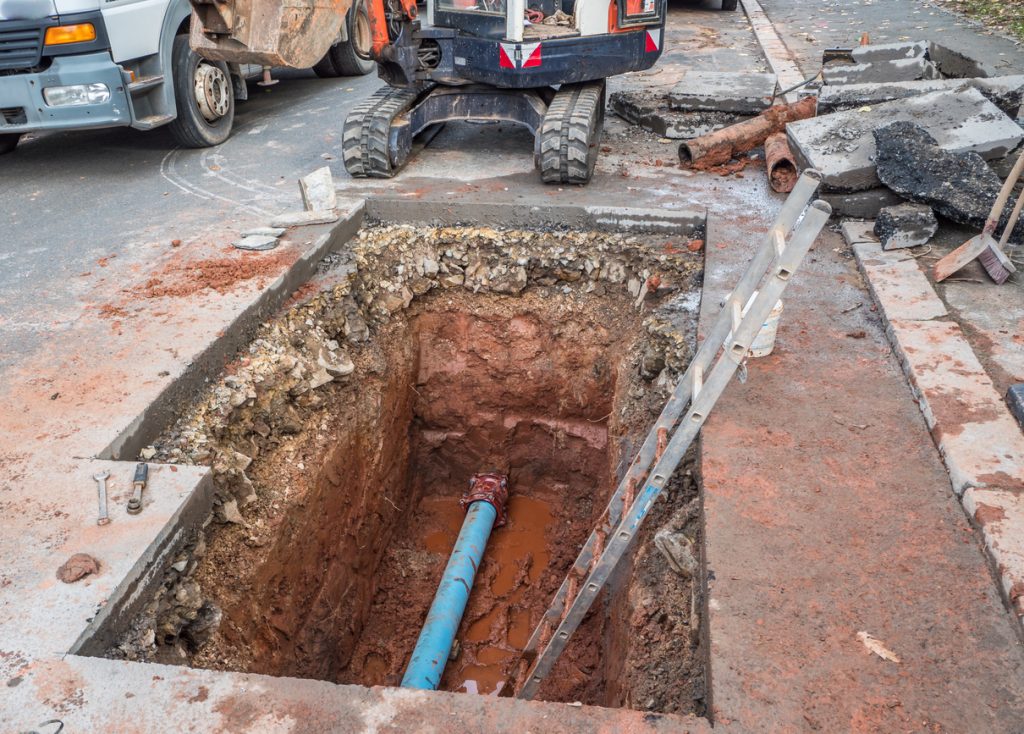
A damaged water point can disrupt daily activities in homes, schools, markets, and businesses. Whether it is a broken public tap, a faulty borehole pump, or a leaking water connection, delaying repairs can leave people without reliable access to water.
Water point repair in Nigeria involves identifying and fixing problems affecting water collection and distribution facilities. These include community boreholes, hand pumps, public standpipes, storage tanks, and water dispensing points.
In cities like Lagos, Abuja, and Port Harcourt, repairs may involve replacing damaged pipes or restoring pumping systems. Rural communities often face additional challenges, including limited access to qualified technicians and replacement parts.
Understanding how repairs work helps property owners, facility managers, and communities restore water access without unnecessary expenses.
Common Water Point Problems in Nigeria
Water facilities experience different faults depending on their age, installation quality, and frequency of use.
Some common problems include:
- Broken taps: Damaged faucets and standpipes cause continuous leakage and water wastage.
- Faulty borehole pumps: Electrical problems, worn components, or motor failure can interrupt water supply.
- Leaking pipes: Underground or exposed pipes may crack because of pressure, corrosion, or poor installation.
- Blocked water outlets: Sediment, rust, and debris can reduce water flow.
- Damaged hand pumps: Worn seals, rods, and valves can make manually operated boreholes difficult to use.
For example, a school in Ogun State may experience reduced water pressure because of a leaking distribution pipe rather than a damaged borehole.
Identifying the actual fault before purchasing replacement equipment prevents unnecessary spending.
How Water Point Repair in Nigeria Is Carried Out
Repairing a water facility begins with inspecting the affected equipment.
A qualified technician should check the water source, pumping system, pipes, valves, and storage connections to determine where the problem originates.
The repair process generally involves:
- Inspection: Identify damaged components and determine whether the fault is mechanical, electrical, or structural.
- Cost assessment: Estimate replacement parts, labour, transportation, and additional materials.
- Equipment sourcing: Purchase suitable pumps, pipes, valves, or fittings.
- Repair work: Replace faulty components and restore the affected connections.
- Testing: Check water pressure, flow, leaks, and overall functionality.
Where repairs involve contaminated pipes or storage systems, cleaning, disinfection, and appropriate water quality testing may also be necessary.
For community boreholes, technicians should confirm that replacement pumps match the borehole depth, required flow rate, and available power supply.
What Does Water Point Repair Cost in Nigeria?
Repair expenses depend on the type of facility, the damaged component, and the location.
Replacing a simple tap or pipe fitting is generally cheaper than repairing a submersible borehole pump.
Major expenses may include technician labour, spare parts, equipment transportation, and electrical repairs.
In Lagos, moving replacement equipment from suppliers in areas such as Mushin or Alaba to repair locations in Lekki or Ikorodu can add delivery costs.
Remote communities may face higher transportation expenses because technicians and equipment suppliers are located farther away.
Before approving repairs, request an itemised quotation covering materials, labour, transportation, and testing.
Getting Replacement Equipment to Repair Locations
One challenge affecting water point maintenance is transporting equipment to the repair site.
A technician working on a borehole in Abuja may need replacement pipes, electrical cables, or pump components sourced from another part of the city.
Larger projects involving water tanks, pumping equipment, and multiple pipe sections require more organised transportation.
This is where Travo.ng can provide practical logistics support.
Through its courier, delivery, cargo logistics, and transport coordination services, Travo.ng can help customers arrange the movement of water system components between suppliers and repair locations.
For example, a facility manager coordinating repairs across several schools can organise equipment deliveries rather than making separate collection trips.
Proper packaging and transport planning are particularly important for electrical pumps, pressure controls, and fragile fittings.
How to Prevent Repeated Water Point Failures
Regular maintenance reduces the likelihood of unexpected breakdowns.
Property managers and community water committees should establish inspection schedules for frequently used facilities.
Important maintenance activities include checking for leaks, monitoring pump performance, cleaning storage tanks, and replacing worn fittings before they fail completely.
Public water points also need proper drainage to prevent stagnant water from accumulating around collection areas.
For electrically powered systems, suitable protection against voltage fluctuations can help reduce pump damage.
Keeping basic maintenance records makes it easier to identify recurring problems and plan replacement budgets.
Arrange Reliable Water Point Repair Support in Nigeria
Restoring a damaged water point requires accurate fault identification, qualified technicians, suitable replacement parts, and timely equipment delivery.
Whether the facility serves a residential compound in Lagos, a school in Ibadan, or a community in rural Nigeria, proper repair planning helps reduce downtime and avoid repeated expenses.
While technical repairs should be handled by qualified water system professionals, Travo.ng can support the logistics involved in sourcing and transporting repair materials.
Need to move pumps, pipes, or other water system equipment? Contact Travo.ng to arrange delivery and transport support for your water point repair project in Nigeria.
