


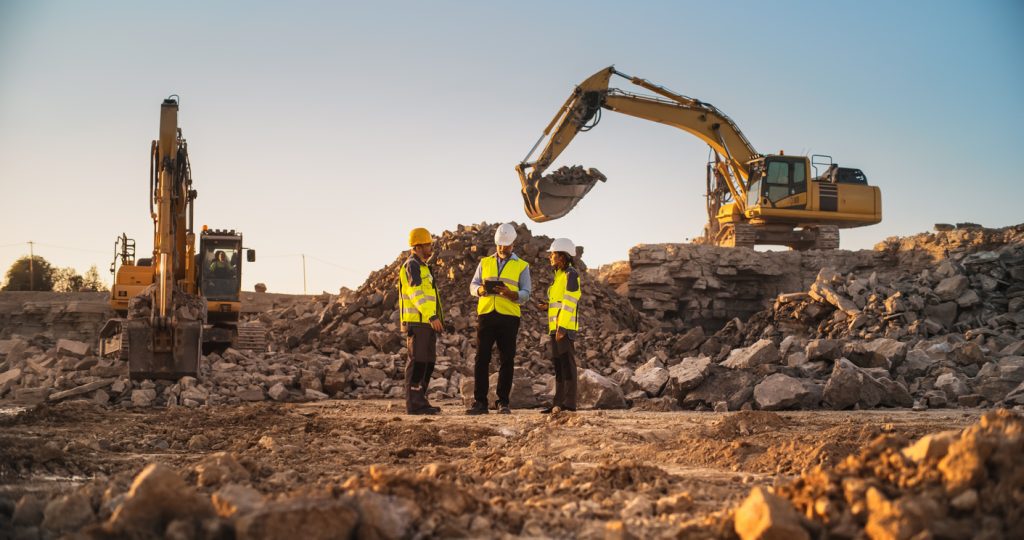
Construction fleet management in Nigeria refers to the use of GPS tracking systems, telematics, and logistics software to monitor and manage vehicles and heavy equipment used on construction sites. It helps contractors, engineering firms, and equipment rental companies track trucks, excavators, bulldozers, and other machinery to improve efficiency, reduce costs, and prevent misuse.
In fast-growing construction environments like Lagos, where large infrastructure and real estate projects require constant material movement, fleet management has become essential for project delivery.
What construction fleet management actually is
Construction fleet management is a system that provides real-time visibility and control over all vehicles and equipment used on construction projects.
It helps companies:
- Track construction vehicles and machinery in real time
- Monitor fuel usage and operational efficiency
- Assign equipment to specific project sites
- Prevent unauthorized use of assets
- Improve maintenance scheduling
- Coordinate logistics across multiple sites
It turns construction operations into a fully controlled digital system.
Why construction fleet management is important in Nigeria
Construction projects rely heavily on equipment availability and timely logistics.
Common challenges include:
- Equipment misuse or theft
- Fuel wastage and inefficiency
- Delays in material delivery
- Poor coordination between sites
- Lack of visibility on equipment location
- High maintenance costs due to poor monitoring
Fleet management systems help solve these issues with real-time tracking and data.
How construction fleet management systems work
Modern systems combine GPS tracking, sensors, and fleet software platforms.
A typical setup includes:
- GPS trackers installed in vehicles and heavy equipment
- Fleet management dashboard for supervisors
- Real-time location and activity monitoring
- Fuel and engine performance sensors (in advanced systems)
- Maintenance scheduling alerts
- Geofencing for construction sites
This creates full operational visibility across all projects.
Key features of construction fleet management systems
A strong system includes more than just location tracking.
Important features include:
- Live tracking of vehicles and equipment
- Job-site geofencing and alerts
- Equipment usage tracking (idle vs active time)
- Fuel consumption monitoring
- Maintenance and service reminders
- Driver and operator behavior monitoring
- Asset utilization reporting
These features improve productivity and reduce waste.
How fleet management improves construction efficiency
Construction projects depend on timing and coordination.
Fleet systems help companies:
- Ensure equipment is always available when needed
- Reduce idle time of machinery
- Improve material delivery scheduling
- Coordinate multiple construction sites
- Optimize vehicle usage across projects
This leads to faster project completion.
Cost control and fuel efficiency benefits
Fuel and maintenance are major expenses in construction operations.
Fleet management helps reduce costs by:
- Preventing fuel theft or misuse
- Reducing unnecessary machine idling
- Improving operator efficiency
- Optimizing transport routes for materials
- Extending equipment lifespan through proper usage
Over time, this significantly reduces project costs.
Security and asset protection benefits
Construction equipment is high-value and often exposed to theft risks.
Tracking systems provide:
- Real-time equipment location
- Alerts for unauthorized movement
- Geofencing for construction sites
- Faster recovery in case of theft
- Monitoring after-hours usage
This improves asset security and reduces losses.
Common problems solved by construction fleet management
Without tracking systems, construction companies often face:
- Missing or stolen equipment
- Poor coordination between site managers
- Delayed material delivery
- High fuel consumption
- Inefficient equipment usage
Fleet systems help eliminate these operational issues.
How construction fleet management improves operations in Lagos
In a high-demand construction environment like Lagos, where multiple projects run simultaneously, coordination is critical.
Fleet tracking helps companies:
- Manage equipment across multiple sites
- Improve delivery of building materials
- Reduce delays caused by traffic congestion
- Monitor contractor performance
- Increase project efficiency and accountability
Common mistakes construction companies make
Some companies fail to fully utilize fleet management systems.
Common mistakes include:
- Not setting geofencing boundaries for sites
- Ignoring fuel and usage reports
- Poor installation or maintenance of trackers
- Using tracking only for theft prevention
- Lack of operator training
Proper system use is key to maximizing benefits.
Integration with construction operations
Construction fleet management systems can integrate with:
- Project management software
- Equipment rental systems
- Fuel monitoring platforms
- Logistics and dispatch systems
- Maintenance and repair scheduling tools
This creates a fully connected construction ecosystem.
How Travo.ng supports construction fleet management
Modern construction operations require both tracking technology and logistics coordination.
Travo.ng supports businesses through:
- Real-time construction fleet tracking systems
- Heavy equipment and vehicle monitoring solutions
- Logistics coordination across project sites
- Route optimization and dispatch support
- Asset and mobility management tools
This helps contractors improve efficiency, reduce costs, and maintain full operational control.
Final thoughts
Construction fleet management in Nigeria is essential for modern building and infrastructure projects. It improves equipment visibility, reduces costs, enhances security, and ensures efficient project execution.
In busy construction hubs like Lagos, where multiple sites operate simultaneously, fleet management systems help companies stay organized, reduce waste, and deliver projects on time.
