


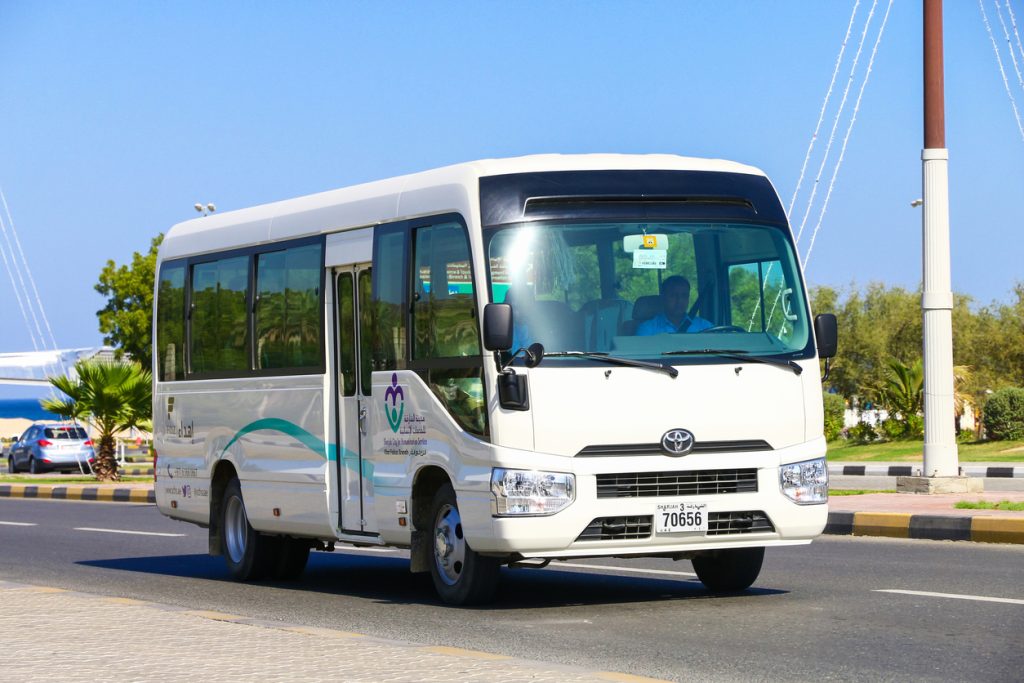
Traveling from Benin City to Lagos is one of the busiest and most frequently traveled interstate routes in Nigeria. It connects Edo State’s capital (a key commercial and transport hub) with Lagos, the country’s biggest business, logistics, and financial center.
From Ring Road, Sapele Road, Ugbowo, Aduwawa, and New Benin areas in Benin City, travelers move westward along the Lagos–Benin Expressway before arriving in Lagos areas like Berger, Ikeja, Oshodi, Mile 2, Ojota, and Yaba.
It is a short-to-mid distance route but heavily affected by traffic flow and road conditions.
Why Benin to Lagos Is a Very Busy Travel Route
This corridor is constantly active because it connects:
- Edo State commerce and transport activity
- Lagos import, trade, and financial economy
- Traders moving goods between southern cities
- Students and workers relocating for opportunities
- Logistics and courier services handling fast deliveries
It is one of the most important economic links in southern Nigeria.
The Journey Starts in Benin City Before You Hit the Highway
Even though Benin City is structured, travel begins with local movement.
Typical departure process includes:
- Boarding at Ring Road, Sapele Road, or New Benin terminals
- City traffic before exiting Benin
- Ticket confirmation and luggage loading
- Passenger coordination for interstate buses
- Movement onto the Lagos–Benin Expressway
Morning departures usually move faster than evening travel.
What the Benin to Lagos Road Journey Is Really Like
Once the journey begins, the route is straightforward but traffic-sensitive:
- Benin City → Okada axis
- Ondo / Ore corridor (major bottleneck area)
- Ogun State stretch (Ijebu / Sagamu axis)
- Lagos entry via Berger, Ikeja, Mile 2, Oshodi, or Ojota
On a smooth trip, travel time is around 3–6 hours, but it can extend significantly due to traffic around Ore and Lagos entry points.
What First-Time Travelers Usually Experience
If it’s your first Benin to Lagos trip, expect:
- Smooth highway driving outside traffic zones
- Possible delays around Ore junction
- Long queues approaching Lagos entry points
- Heavy congestion in Lagos metropolitan areas
- Arrival timing affected by road conditions
Lagos traffic is usually the most challenging part of the journey.
Why This Route Matters for Business and Movement
Benin to Lagos supports key movement such as:
- Inter-state trade and wholesale distribution
- Corporate and business travel
- Cargo and logistics transport
- Student relocation and academic travel
- Daily passenger commuting between regions
It is a vital corridor connecting Edo State to Nigeria’s commercial capital.
Common Mistakes People Make on Benin to Lagos Trips
Even frequent travelers make avoidable mistakes:
1. Ignoring Ore traffic delays
Ore is a major and unpredictable bottleneck.
2. Poor departure timing from Benin
Timing affects overall travel experience.
3. Not planning Lagos drop-off point
Lagos has multiple major bus terminals.
4. Underestimating Lagos entry congestion
Traffic can extend travel time significantly.
5. Poor luggage handling for interstate trips
Items should be properly secured.
Why Timing Matters More Than Distance
On Benin to Lagos trips, distance is not the main factor—timing and traffic flow matter more.
What affects your journey most:
- Departure timing from Benin City
- Traffic around Ore junction
- Road conditions along Ogun State corridor
- Entry congestion into Lagos
- Time of day (peak vs off-peak travel)
Two travelers on the same route can have very different travel experiences.
How Travo.ng Helps With Benin to Lagos Travel
Instead of relying on uncertain motor park schedules, Travo.ng helps travelers plan better.
With it, you can:
- Plan Benin to Lagos trips in advance
- Compare transport and logistics options
- Arrange parcel and cargo delivery between cities
- Reduce uncertainty around departure timing
- Combine travel booking and logistics coordination in one platform
It makes one of Nigeria’s busiest routes more structured and predictable.
Final Thoughts on Benin to Lagos Travel
The Benin to Lagos route is one of Nigeria’s most important interstate corridors, connecting Edo State with the nation’s commercial capital through a heavily used highway network.
While the distance is not very long, real travel experience depends heavily on timing, traffic conditions, and planning.
With tools like Travo.ng, travelers can move more confidently, reduce delays, and manage both travel and logistics in a more organized way.
