


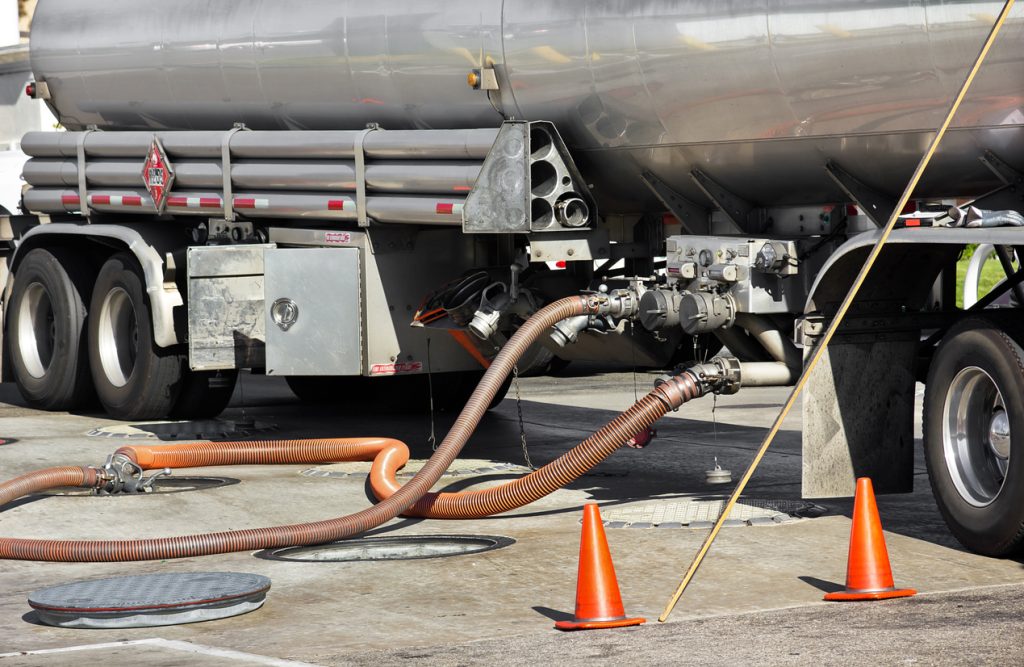
The movement of petrol, diesel, aviation fuel, kerosene, and other petroleum products across West Africa is one of the region’s most critical logistics operations. From major import terminals in Lagos to inland depots serving businesses in Nigeria, Ghana, Benin, Togo, and beyond, the demand for reliable refined products logistics West Africa continues to grow as economies expand and transportation needs increase.
Yet moving refined petroleum products across borders is far more complex than transporting ordinary cargo. Delays at ports, poor road conditions, regulatory requirements, and seasonal traffic disruptions can significantly affect delivery schedules and operating costs.
For businesses that depend on a steady fuel supply, understanding how refined products logistics works can help reduce risks and improve operational efficiency.
Why Fuel Distribution Across West Africa Is More Challenging Than Many Businesses Expect
Many companies assume that once petroleum products arrive at a coastal terminal, distribution to final destinations is straightforward. In reality, several factors can affect movement across the region.
Some of the most common challenges include:
- Border clearance delays
- Road congestion around major cities
- Limited storage infrastructure in some locations
- Security concerns on long-haul transport routes
- Seasonal weather disruptions
- Fluctuating fuel demand during festive periods
For example, moving diesel from Lagos through border corridors into neighboring countries may involve multiple inspections and documentation checks before products reach their destination.
Businesses that fail to account for these realities often experience unexpected delays and additional costs.
The Key Transport Corridors Used for Refined Products
Several routes serve as major fuel distribution channels throughout West Africa.
Popular corridors include:
- Lagos to Cotonou
- Lagos to Accra
- Lagos to Lomé
- Port Harcourt to inland Nigerian markets
- Lagos to Abuja
- Lagos to Kano
- Tema Port to northern Ghana distribution centers
These routes support the movement of refined petroleum products for industries such as manufacturing, transportation, aviation, construction, agriculture, and power generation.
In Nigeria alone, fuel tankers move thousands of tonnes of refined products daily between coastal depots and inland consumption centers.
What Delivery Timelines Typically Look Like
Delivery schedules vary depending on distance, border procedures, road conditions, and product type.
Typical timelines may include:
| Route | Estimated Transit Time |
|---|---|
| Lagos to Abuja | 1–3 days |
| Lagos to Kano | 2–5 days |
| Lagos to Cotonou | Same day to 2 days |
| Lagos to Accra | 3–7 days |
| Port Harcourt to Abuja | 2–4 days |
These estimates can change significantly during periods of heavy traffic, public holidays, or increased fuel demand.
Experienced logistics coordinators often build contingency plans into delivery schedules to minimize disruptions.
What Businesses Should Look for in a Logistics Partner
When dealing with refined products logistics West Africa, reliability matters more than simply choosing the lowest transportation rate.
A capable logistics provider should offer:
- Route planning expertise
- Regulatory compliance support
- Real-time shipment coordination
- Strong regional transport networks
- Delivery scheduling flexibility
- Experience handling sensitive cargo
For businesses managing multiple locations, a coordinated logistics approach often reduces operational downtime and inventory shortages.
This is especially important for industries where fuel availability directly affects daily operations.
How Delays Impact Business Operations
A delayed fuel shipment can create problems far beyond transportation costs.
Potential consequences include:
- Manufacturing interruptions
- Construction project delays
- Generator downtime
- Missed delivery commitments
- Increased emergency procurement costs
Many companies only realize the value of dependable logistics after experiencing disruptions that affect customers and revenue.
This is why logistics planning should be treated as a strategic business function rather than a simple transportation task.
The Growing Need for Integrated Logistics Support
As trade activity increases across West Africa, businesses are increasingly seeking logistics partners that can coordinate multiple services from a single platform.
In addition to cargo coordination, companies often require:
- Interstate transport services
- Vehicle hire solutions
- Airport pickup arrangements
- Corporate travel bookings
- Hotel reservations for field teams
- Business mobility support
Rather than managing multiple vendors, many organizations prefer centralized logistics coordination that simplifies operations and improves visibility.
This is where a platform like Travo.ng can provide practical value by helping businesses coordinate transportation, logistics, travel planning, and operational support services through a single trusted provider.
Planning Ahead Reduces Costly Disruptions
One of the biggest mistakes businesses make is arranging fuel transportation only when inventory levels become critical.
Successful organizations typically:
- Forecast demand early.
- Schedule shipments in advance.
- Monitor seasonal demand trends.
- Maintain communication with logistics providers.
- Build contingency plans for unexpected delays.
These practices help reduce emergency transportation costs and improve supply chain stability.
West Africa’s fuel distribution network continues to evolve, creating new opportunities for businesses that prioritize efficient logistics planning. By understanding regional transport realities and working with experienced logistics partners, companies can improve delivery reliability, control costs, and keep operations running smoothly across multiple markets.
For businesses seeking dependable refined products logistics West Africa, careful planning and strong logistics coordination remain the foundation of successful fuel distribution operations.
