


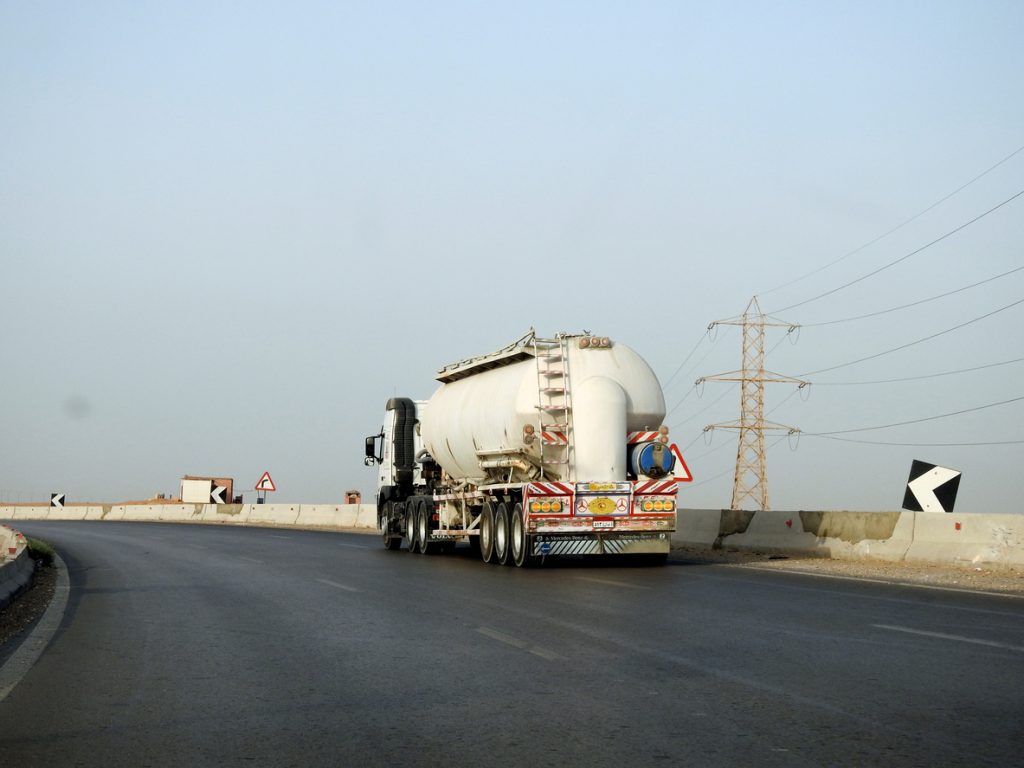
The Dangote Refinery is not only changing fuel production in Nigeria — it is also reshaping petroleum logistics across the country.
For decades, Nigeria’s downstream oil sector struggled with:
- Fuel transportation bottlenecks
- Depot congestion
- Expensive interstate haulage
- Unstable fuel supply chains
- Long-distance tanker delays
Now, with one of the world’s largest single-train refineries operating in Lagos, petroleum logistics has become one of the most important parts of the entire operation.
Every day, refined products must move from the Lekki Free Zone toward:
- Filling stations
- Aviation operators
- Manufacturing companies
- Fuel depots
- Interstate distribution hubs
- Commercial transport operators
And none of that works without large-scale logistics coordination.
This guide explains how petroleum logistics connected to Dangote Refinery works, the operational realities involved, and why transport coordination is becoming central to Nigeria’s fuel supply system.
Petroleum Logistics Starts Long Before Fuel Leaves the Refinery
Many people focus only on fuel loading, but refinery logistics actually involves several layers of movement.
Operations include:
- Crude supply coordination
- Tanker scheduling
- Product storage
- Fleet management
- Interstate distribution
- Marine transport support
- Depot delivery planning
At the refinery scale, even minor transport delays can affect:
- Nationwide fuel availability
- Depot pricing
- Filling station operations
- Commercial transport businesses
This is why logistics planning around the refinery has become highly structured.
Lagos Has Become Nigeria’s Largest Petroleum Logistics Hub
The refinery’s location in the Lekki Free Zone has significantly increased industrial transport activity around:
- Lekki-Epe Expressway
- Ajah corridor
- Eleko Junction
- Ibeju-Lekki
- Lekki Deep Sea Port
Today, these routes handle:
- Fuel tankers
- Industrial haulage trucks
- Cargo trailers
- Marine-linked transport movement
Logistics companies operating in the corridor now manage far more complex fleet operations than before.
For many haulage operators, timing around Lekki traffic has become just as important as vehicle availability.
The Main Types of Petroleum Logistics Supporting the Refinery
Several specialised logistics systems now support refinery-linked fuel movement.
Fuel Tanker Distribution
This remains the backbone of nationwide petroleum movement.
Tankers move products daily toward:
- Abuja
- Kano
- Kaduna
- Ibadan
- Port Harcourt
- Eastern Nigeria
Because Nigeria still depends heavily on road transport for fuel distribution, tanker coordination remains critical.
Depot and Bulk Fuel Supply Operations
Products leaving the refinery are distributed toward:
- Independent depots
- Major fuel marketers
- Commercial fuel users
- Industrial supply chains
Large businesses such as:
- Manufacturers
- Telecom operators
- Aviation companies
depend heavily on stable fuel delivery scheduling.
Any disruption in logistics can quickly affect operations nationwide.
Marine and Port Logistics Support
The refinery also relies on marine-linked logistics because of its proximity to:
- Lekki Deep Sea Port
- Offshore loading infrastructure
Marine logistics operations include:
- Vessel coordination
- Cargo clearing
- Port movement
- Inland cargo transfer
This creates additional demand for:
- Port logistics companies
- Marine transport operators
- Industrial cargo coordinators
Why Petroleum Logistics in Nigeria Is So Difficult
Fuel movement across Nigeria is challenging for several reasons.
Road Infrastructure Pressure
Heavy-duty tanker movement damages roads quickly and increases delivery delays.
Traffic Around Lagos
Tankers moving through Lekki and Ajah often face severe congestion.
Security Concerns
Fuel movement requires:
- Monitoring
- Escort coordination
- Compliance procedures
Rising Fleet Costs
Diesel, maintenance, and spare parts now significantly affect operating expenses.
Long Interstate Distances
Fuel transport from Lagos to northern Nigeria can involve overnight fleet movement and difficult road conditions.
Technology Is Becoming Essential for Petroleum Logistics
Modern fuel logistics now depends heavily on:
- GPS fleet tracking
- Dispatch management systems
- Delivery monitoring
- Fuel usage tracking
- Route optimisation
Transport operators without organised systems often struggle with:
- Delayed deliveries
- Poor fleet utilisation
- Fuel losses
- Operational inefficiency
Large industrial clients increasingly expect:
- Real-time updates
- Delivery visibility
- Better communication
- Structured reporting systems
because fuel supply disruptions directly affect business operations.
Dangote Refinery Is Investing Heavily in Distribution Infrastructure
Industry reports indicate the refinery is expanding logistics capacity through:
- Large tanker fleets
- CNG-powered trucks
- Nationwide fuel distribution support
The goal is to reduce:
- Transport inefficiencies
- Supply bottlenecks
- Distribution delays
while improving nationwide fuel access.
This is especially important because fuel transportation costs heavily influence:
- Pump prices
- Delivery timelines
- Commercial logistics costs
across Nigeria.
Fuel Logistics Affects Almost Every Nigerian Business
Petroleum movement does not only affect filling stations.
Industries heavily dependent on fuel logistics include:
- Courier companies
- Delivery businesses
- Interstate transport operators
- Aviation
- Manufacturing
- Construction
- Warehousing
For example:
- Delivery companies rely on stable diesel supply for dispatch operations
- Interstate buses depend on fuel availability for daily routes
- Logistics operators manage rising transport costs constantly
Businesses coordinating:
- Cargo movement
- Corporate transport
- Fleet operations
- Interstate delivery
therefore watch refinery logistics developments very closely.
Platforms like Travo.ng also help businesses manage:
- Logistics coordination
- Vehicle hire
- Delivery scheduling
- Interstate transport
- Airport pickups
- Corporate travel support
especially for companies operating across multiple Nigerian cities.
Common Mistakes Businesses Make Around Fuel Logistics
Depending on One Supply Source
Many businesses struggle when supply disruptions occur unexpectedly.
Ignoring Fleet Maintenance
Heavy-duty transport operations require constant vehicle servicing.
Poor Delivery Scheduling
Traffic and road conditions can significantly affect fuel movement timing.
Underestimating Interstate Delivery Risks
Long-distance petroleum movement requires strong operational coordination.
Petroleum Logistics Will Continue Expanding Across Nigeria
As local refining capacity grows, demand for:
- Tanker operators
- Fleet logistics companies
- Industrial haulage firms
- Depot transport providers
- Delivery coordination services
will likely continue increasing.
The refinery is already reshaping:
- Fuel distribution systems
- Industrial transport
- Fleet operations
- Interstate logistics
- Cargo movement
across the Nigerian economy.
Logistics Is the Backbone of Fuel Distribution
The Dangote Refinery may produce petroleum products, but logistics determines how efficiently those products reach the rest of Nigeria.
From tanker scheduling to interstate haulage and depot coordination, petroleum logistics now plays a central role in:
- Fuel availability
- Transport costs
- Supply chain efficiency
- Commercial movement nationwide
And as refinery operations continue expanding, businesses capable of delivering reliable transport and logistics coordination will become even more important to Nigeria’s downstream petroleum sector.
